High protein foods: grams per serving, and which give the most per calorie
High protein foods ranked by grams per serving and per 100 calories. Chicken breast has about 26 g in 3 oz; peanut butter has 4 g per 100 kcal. Plus snacks and breakfasts.
November 11, 2026 · 6 min read
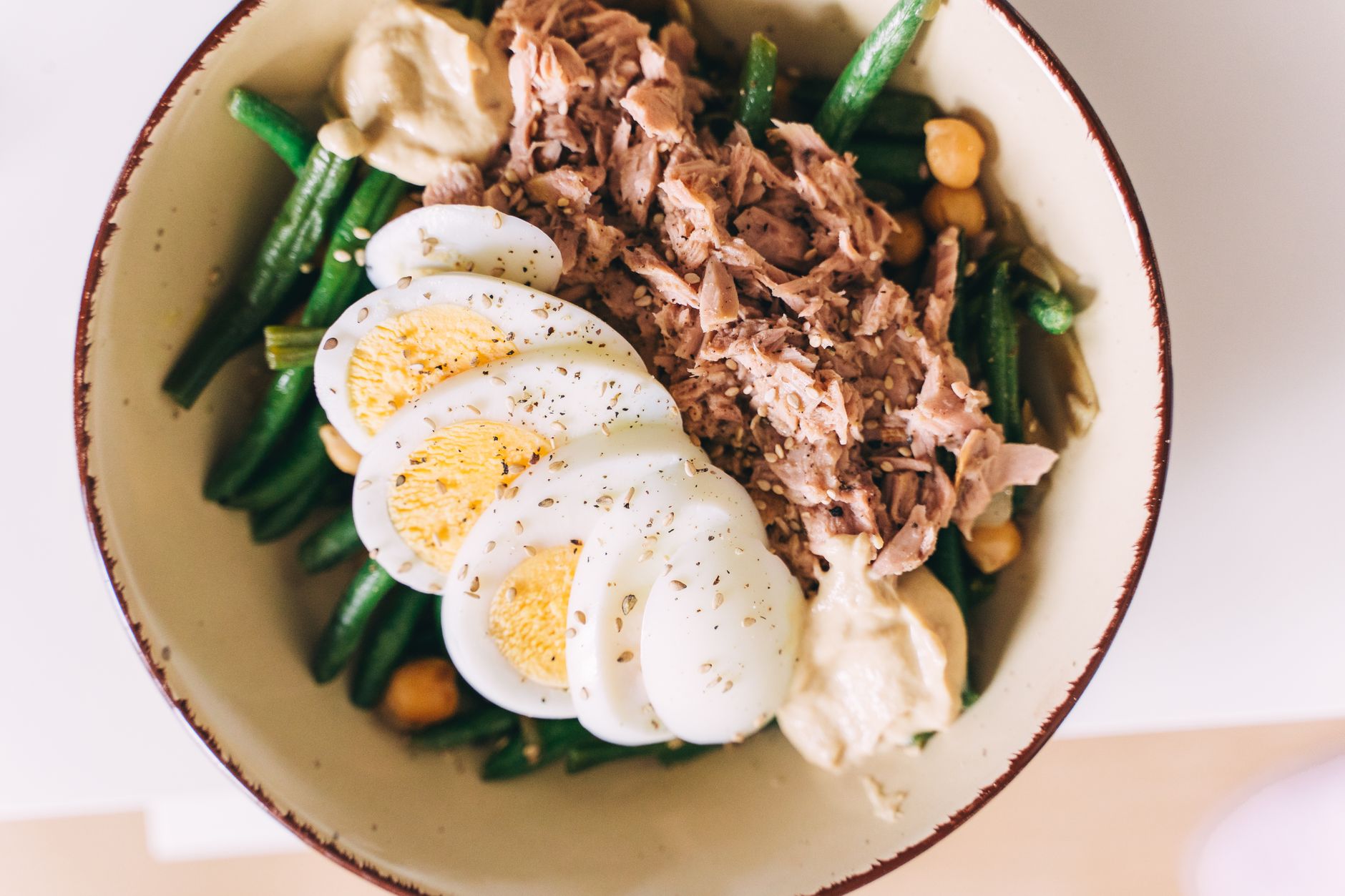
Photograph by Alesia Kozik on Pexels
Most lists of high-protein foods rank them by grams per 100 grams, which flatters foods nobody eats in that quantity and hides the number that matters when you are trying to eat more protein without eating more of everything else: how much protein comes with each calorie. Peanut butter and chicken breast both appear on every high-protein list. Per 100 calories, one has about 4 grams of protein and the other about 19.
So the tables below give both: protein in a realistic serving, and protein per 100 kcal. Figures are rounded from USDA FoodData Central for cooked or ready-to-eat weights, and branded products will differ, so the label beats this page for anything in a package.
How much protein you need
The Daily Value on US labels is 50 grams, a reference figure for a 2,000-calorie diet. The RDA is 0.8 grams per kilogram of body weight, which is the amount that prevents deficiency in most healthy adults, not the amount that is best for everyone. People who train, people over about 65 and people losing weight do better on more, commonly 1.2 to 1.6 g/kg and up to about 2.2 g/kg for building muscle. The protein guide sets out those ranges and the evidence behind them, and the protein calculator turns them into grams for your weight.
Spreading it out helps. Muscle protein synthesis responds best to roughly 25 to 40 grams in a meal, so three meals with a real protein portion beat a small breakfast, small lunch and a 70-gram dinner. One caution: people with chronic kidney disease are usually advised to limit protein, and should follow their own care team's target rather than any of the numbers here.
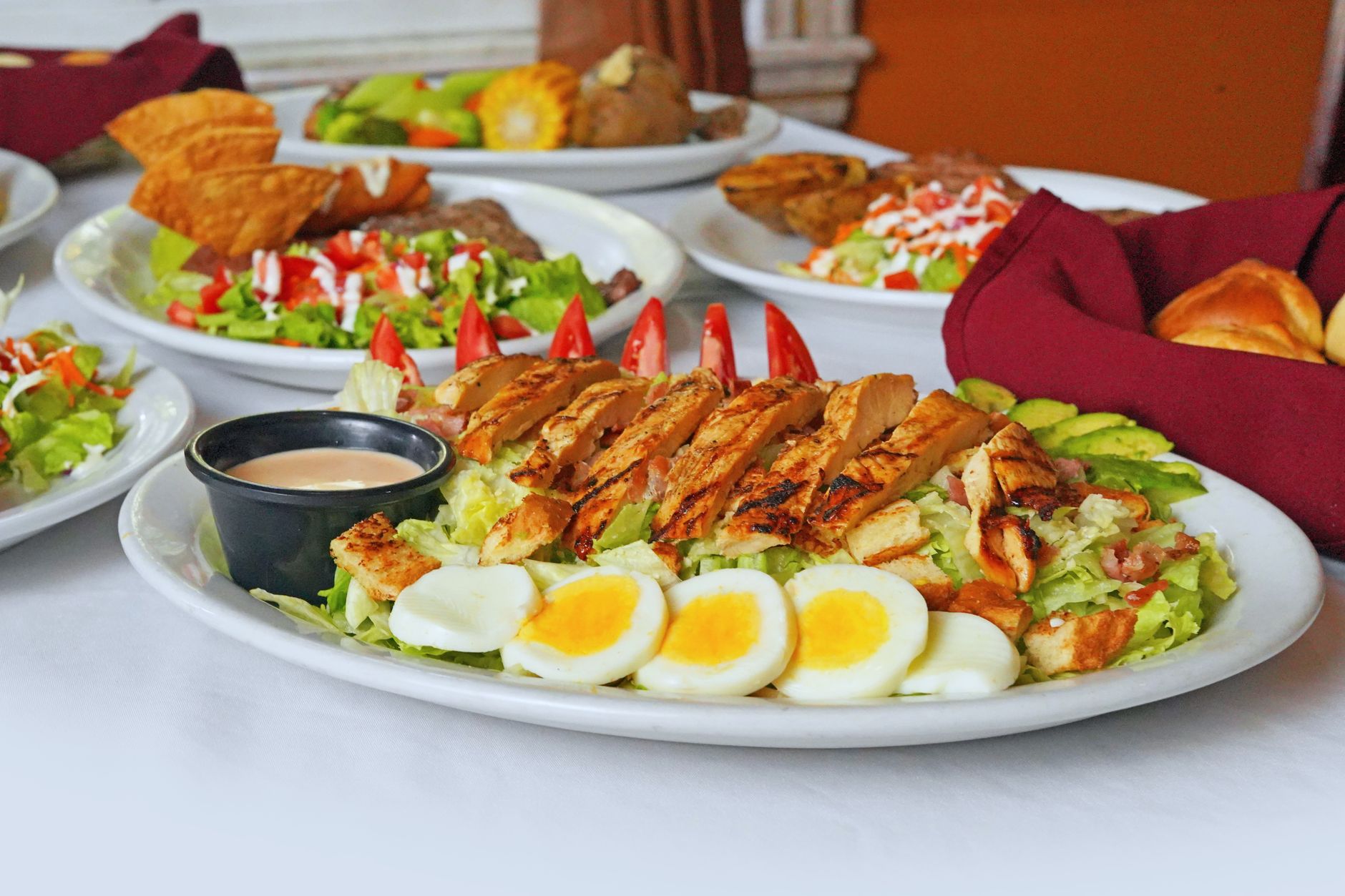
Animal sources of protein, per serving
| Food | Serving | Protein | Calories | Protein per 100 kcal |
|---|---|---|---|---|
| Shrimp, cooked | 3 oz (85 g) | about 20 g | about 85 | about 24 g |
| Tuna, canned in water, drained | 3 oz | about 22 g | about 100 | about 22 g |
| Cod, cooked | 3 oz | about 19 g | about 90 | about 22 g |
| Egg whites | 3 large | about 11 g | about 50 | about 21 g |
| Chicken breast, skinless, cooked | 3 oz | about 26 g | about 140 | about 19 g |
| Greek yogurt, plain nonfat | 6 oz (170 g) | about 17 g | about 100 | about 17 g |
| Salmon, wild, cooked | 3 oz | about 22 g | about 155 | about 14 g |
| Cottage cheese, 2% | 1 cup | about 24 g | about 185 | about 13 g |
| Lean ground beef, 90%, cooked | 3 oz | about 22 g | about 185 | about 12 g |
| Whole egg | 1 large | about 6 g | about 72 | about 9 g |
| Milk, 2% | 1 cup | about 8 g | about 120 | about 7 g |
| Cheddar cheese | 1 oz | about 7 g | about 115 | about 6 g |
For the details on the two most common choices, see how chicken breast protein changes with weight and cooking, and why Greek yogurt has roughly twice the protein of regular yogurt.
Plant-based high-protein foods
| Food | Serving | Protein | Calories | Protein per 100 kcal |
|---|---|---|---|---|
| Firm tofu | 3 oz (85 g) | about 8 to 14 g | about 70 to 120 | about 11 g |
| Tempeh | 3 oz | about 17 g | about 165 | about 10 g |
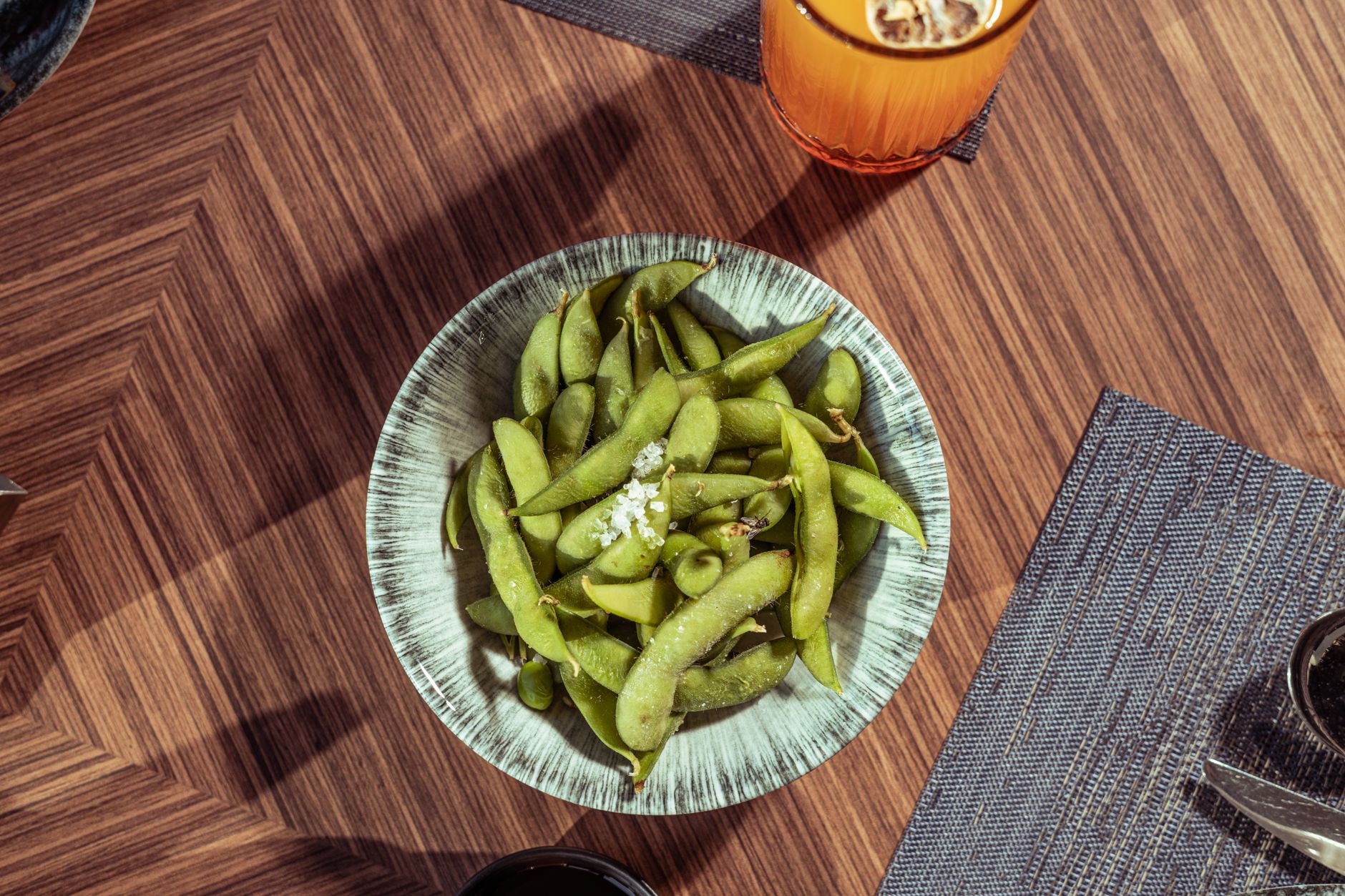
| Edamame, shelled | 1 cup | about 18 g | about 190 | about 10 g |
| Lentils, cooked | 1 cup | about 18 g | about 230 | about 8 g |
| Black beans, cooked | 1 cup | about 15 g | about 225 | about 7 g |
| Green peas, cooked | 1 cup | about 9 g | about 135 | about 6 g |
| Chickpeas, cooked | 1 cup | about 14.5 g | about 270 | about 5 g |
| Pumpkin seeds, hulled | 1 oz | about 8.5 g | about 160 | about 5 g |
| Peanut butter | 2 tbsp | about 7 g | about 190 | about 4 g |
| Quinoa, cooked | 1 cup | about 8 g | about 220 | about 4 g |
| Almonds | 1 oz | about 6 g | about 165 | about 4 g |
Tofu varies more than anything else here, from soft silken to pressed extra-firm, so read the package. Beans and lentils look modest per calorie, but they come with a lot of fiber, which is why the high-fiber foods list is largely the same foods. Edamame is the standout: it has close to the protein of lentils with fewer calories and fewer carbohydrates.
Nuts and seeds are good food, but they are fat foods with some protein, not protein foods. A handful adds a few grams; using them as the main protein source costs a lot of calories.
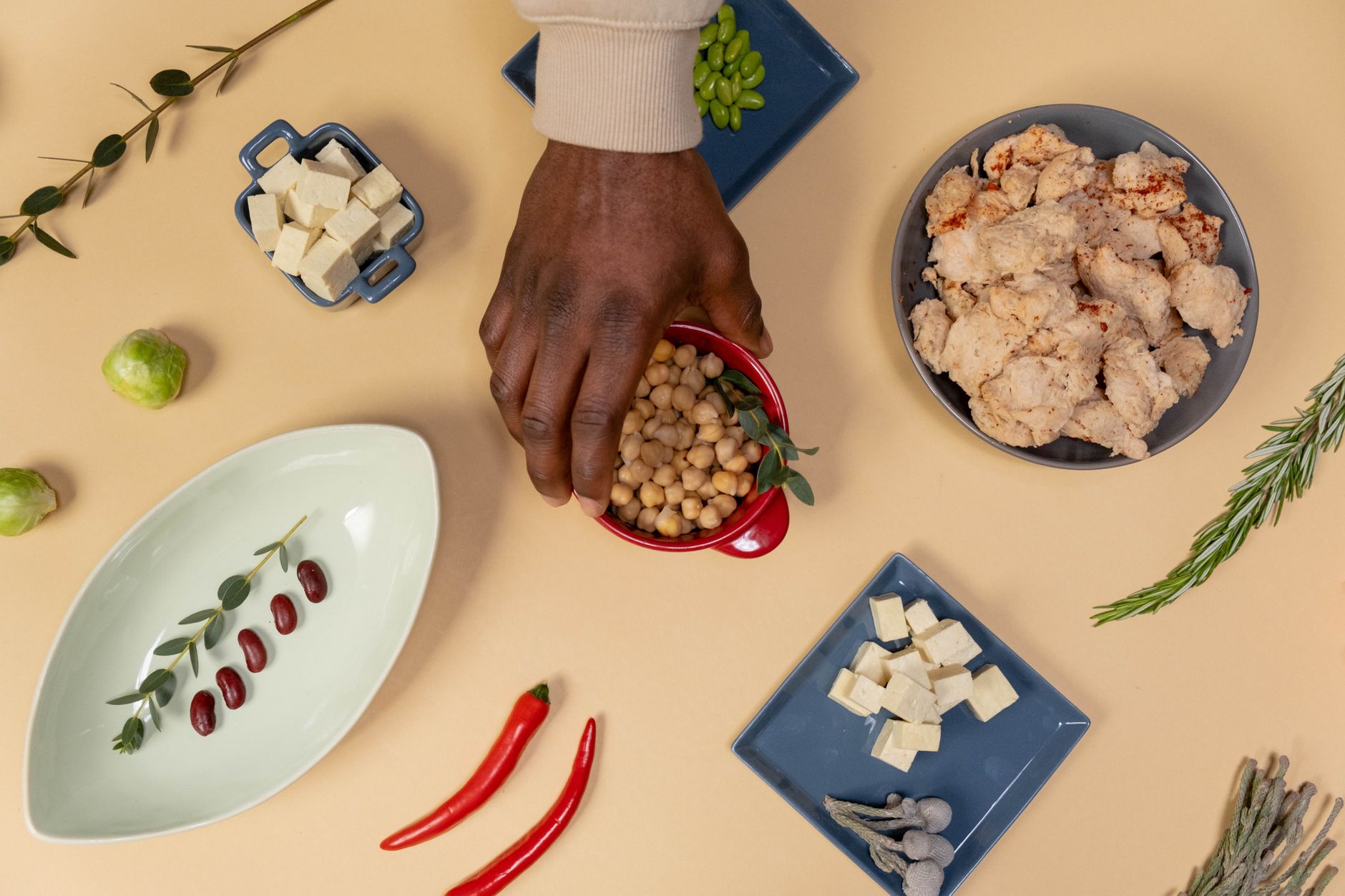
Complete protein foods
A complete protein contains all nine essential amino acids in useful proportions. Every animal protein qualifies: meat, poultry, fish, eggs and dairy. Among plants, soy (tofu, tempeh, edamame, soy milk) is complete, and quinoa and buckwheat come close.
The old advice to combine rice and beans in the same meal has been dropped. Your body keeps a pool of amino acids, so eating a variety of plant proteins over the day covers the gaps. Grains run low in lysine and legumes are rich in it, and that is all "combining" ever meant. A well-planned vegan diet can meet protein needs without supplements.
Low-calorie high-protein foods
If the goal is more protein inside a calorie deficit, the last column of the tables is the one to read. Anything above about 15 g of protein per 100 kcal is close to pure protein:
- White fish and shellfish: cod, tilapia, shrimp, canned tuna in water.
- Skinless chicken and turkey breast.
- Egg whites.
- Nonfat Greek yogurt and skyr.
- Low-fat cottage cheese, at about 13 g per 100 kcal for 2% and higher for 1%.
Higher protein helps with weight loss in two well-supported ways. It is the most filling macronutrient calorie for calorie, so people on higher-protein diets tend to eat less without trying. And in a deficit it protects lean mass, so more of the weight lost is fat. It does not make calories stop counting; the deficit still does the work.
High-protein breakfast ideas
Breakfast is where most people's protein is lowest. Cereal, toast or a bagel lands somewhere around 5 to 10 grams. These get to 20 to 35:
- High-protein overnight oats with Greek yogurt and a little whey, at 35 g a serving, made the night before.
- Protein pancakes at 30 g, or cottage cheese pancakes at 25 g with no powder at all.
- Egg muffins, baked in a batch on Sunday and reheated, about 18 g in two.
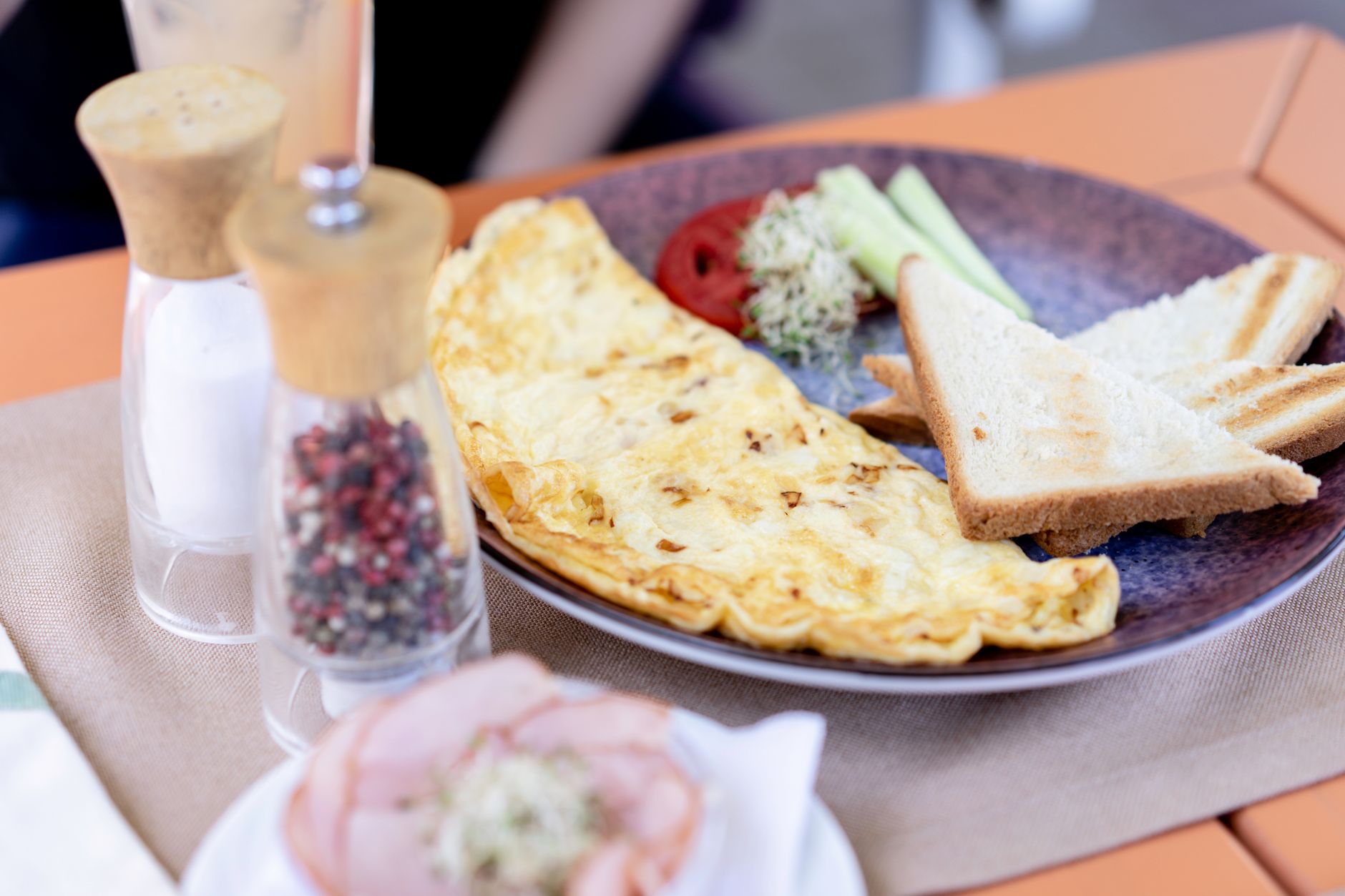
- Two or three eggs scrambled, at about 6 g each.
- A bowl of Greek yogurt or cottage cheese with fruit and a spoonful of seeds.
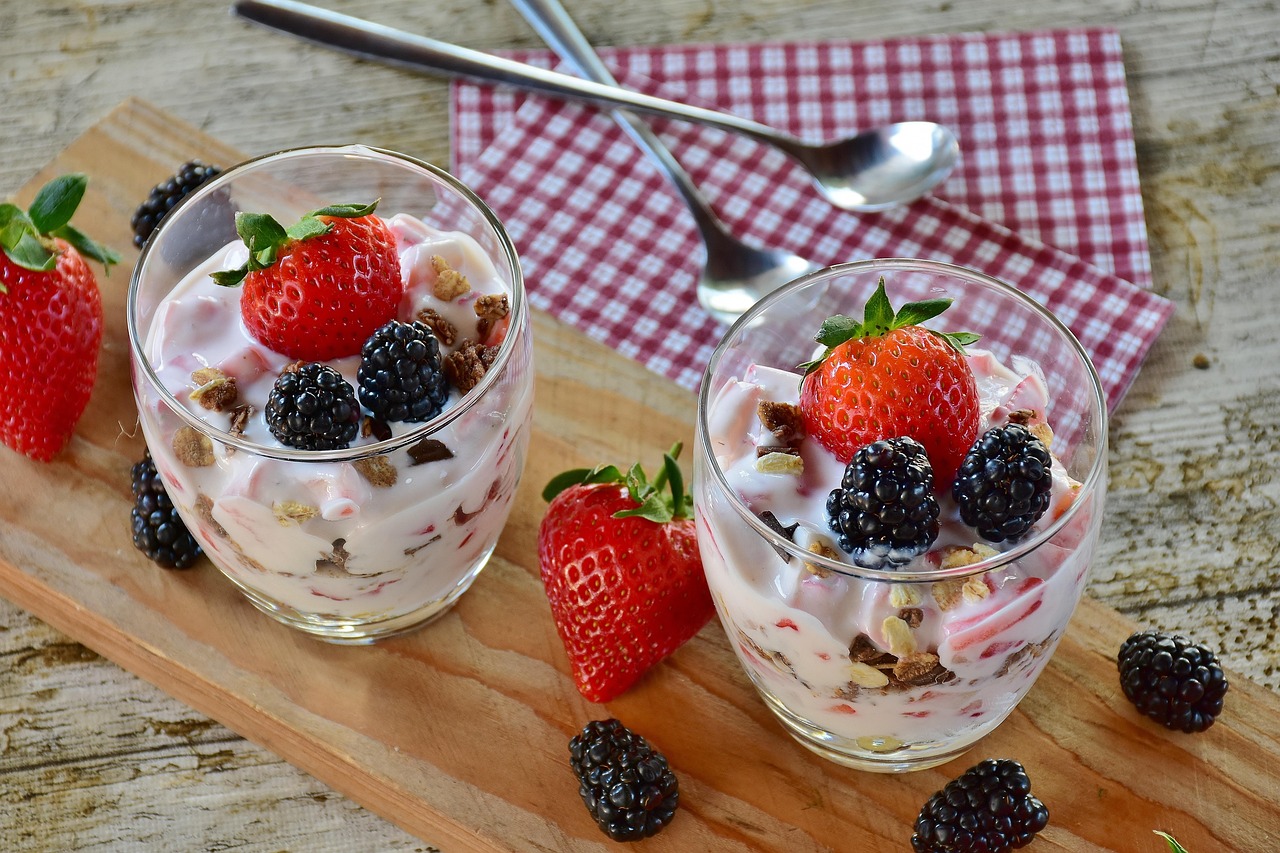
High-protein snacks
The useful high-protein snacks are mostly ordinary food rather than bars:
- Hard-boiled eggs: about 6 g each.
- Greek yogurt or cottage cheese cups: 12 to 18 g each, depending on size.
- Edamame: about 9 g in half a cup, in the pod or out.
- A pouch of tuna or salmon, about 15 to 20 g.
- String cheese: about 6 to 8 g a stick.
- Hummus with vegetables: modest protein, but more than chips.
- Peanut butter protein balls, at about 7 g each, for when you want something sweet.
Protein bars vary from a sensible snack to a candy bar with whey added. Check the protein per calorie the same way as the tables above. A protein shake is just as reasonable, and whether you need one at all depends on how close food already gets you.
High-protein meals
For lunch and dinner, a palm-sized portion of meat or fish, or a cup of beans, puts most meals at 25 grams or more. Recipes on this site that land there include white chicken chili at 40 g a bowl. On the plant side, a bowl of three-bean chili brings 16 g, plus a lot of fiber, and adding a side of Greek yogurt or cheese pushes it past 20.