How much protein do I need? Targets, sources, and when a supplement earns its place
How much protein you need depends on what you are asking your body to do. The RDA answers a different question — it is the amount that prevents deficiency, not the amount that is useful.
August 29, 2026 · 5 min read
Photograph by https://kaboompics.com/ on Pexels
Protein is the macronutrient with the clearest evidence for eating more of than the official minimum, and the one most surrounded by supplements you probably do not need. Both of those statements are worth taking seriously at once.
How much protein do I need?
The recommended allowance is 0.8 grams per kilogram of body weight per day. That figure is widely quoted and widely misunderstood: it is the amount that prevents deficiency in most healthy adults. It is not the amount that is optimal, and the two are different questions.
Nobody sets their vitamin C intake at the level that merely prevents scurvy.
The ranges the evidence supports
- Not training much: 0.8 to 1.0 g/kg. The RDA, and adequate.
- Training a few times a week: 1.2 to 1.6 g/kg.
- Building or keeping muscle: 1.6 to 2.2 g/kg. The range the resistance-training literature converges on.
- Losing weight: 1.6 to 2.4 g/kg. Higher, because protein does more work in a deficit.
- Over 65: 1.2 to 1.6 g/kg, to overcome anabolic resistance — older muscle responds less to the same amount of protein.
The protein calculator converts these into grams for your own body weight, which is more useful than the ratios.
Why protein does more in a deficit
Two reasons, and they compound.
In an energy deficit the body will break down muscle for amino acids unless enough are arriving in food. Adequate protein plus resistance training is what determines whether the weight you lose is fat or muscle — and losing muscle makes you lighter, weaker and metabolically worse off at the new weight.
Protein is also the most satiating macronutrient per calorie, so a higher intake makes the same deficit easier to hold. It is unusual in doing two useful things through completely different mechanisms.
Food sources, and what a portion actually delivers
- Chicken breast, 100 g cooked — about 31 g.
- Greek yogurt, 170 g — about 17 g.
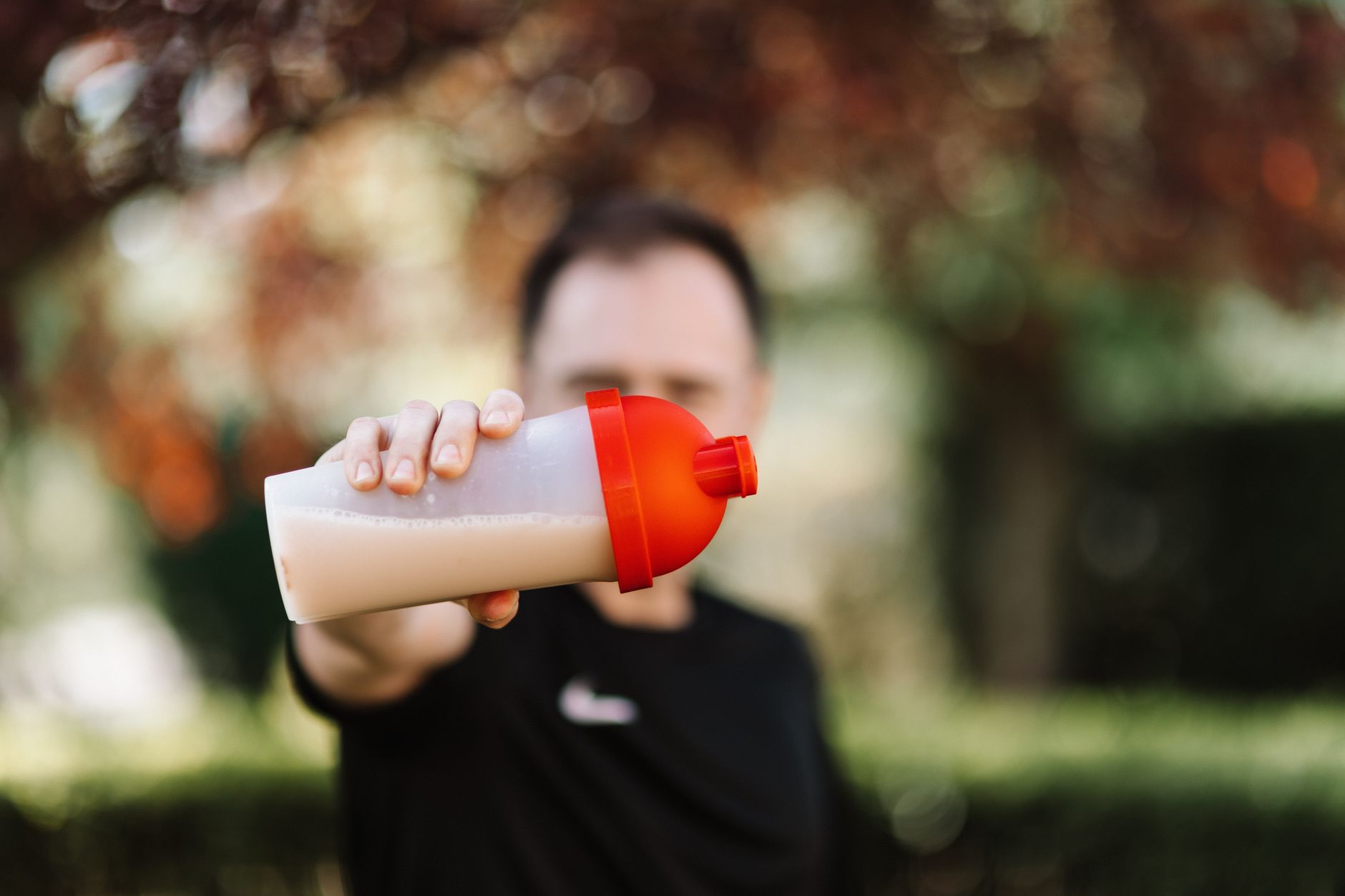
- Eggs — about 6 g each.
- Canned tuna, one can — about 25 g.
- Lentils, one cooked cup — about 18 g.
- Tofu, 100 g — about 8 to 17 g depending on firmness.
- Cottage cheese, 200 g — about 22 g.
- Whey powder, one scoop — about 24 g.
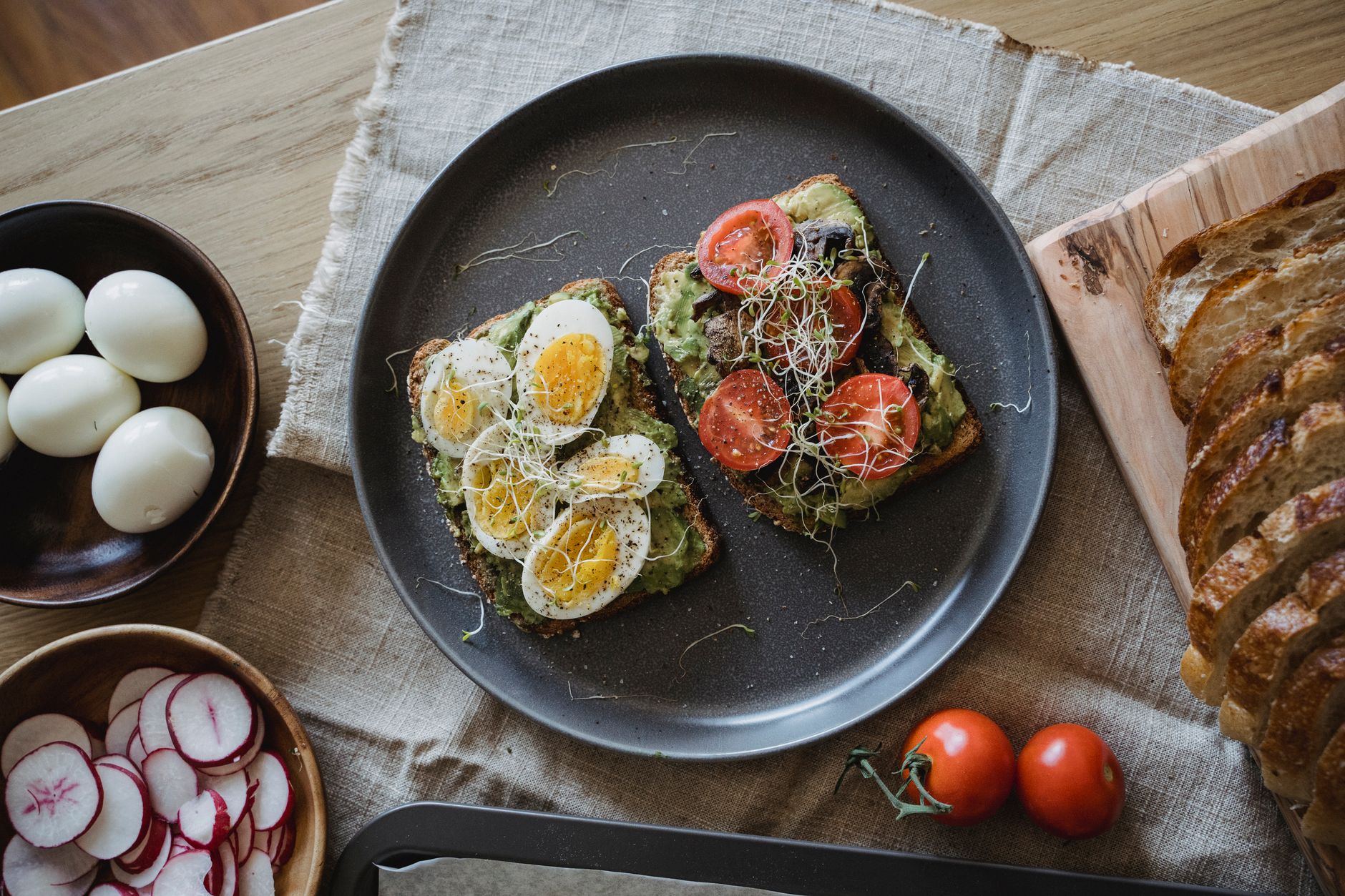
The pattern worth noticing: hitting 120 g a day from food is entirely achievable and requires protein at every meal rather than only at dinner, which is where most people fall short. Breakfast is usually the gap. Egg muffins, cottage cheese pancakes and high-protein overnight oats each cover 18 to 35 g of it.
Plant protein, and the "complete" argument
Animal proteins contain all essential amino acids in useful proportions. Most individual plant proteins are lower in one or another — lysine in grains, methionine in legumes. The old advice to combine them at every meal has been retired: the liver maintains an amino acid pool across the day, so variety across a diet does the job.
What remains true is that plant proteins are somewhat less digestible, so a vegan target reasonably sits about 10% higher. Soy is the exception on the amino acid front and is the most useful single plant source. See the vegan diet article.
When a protein supplement earns its place
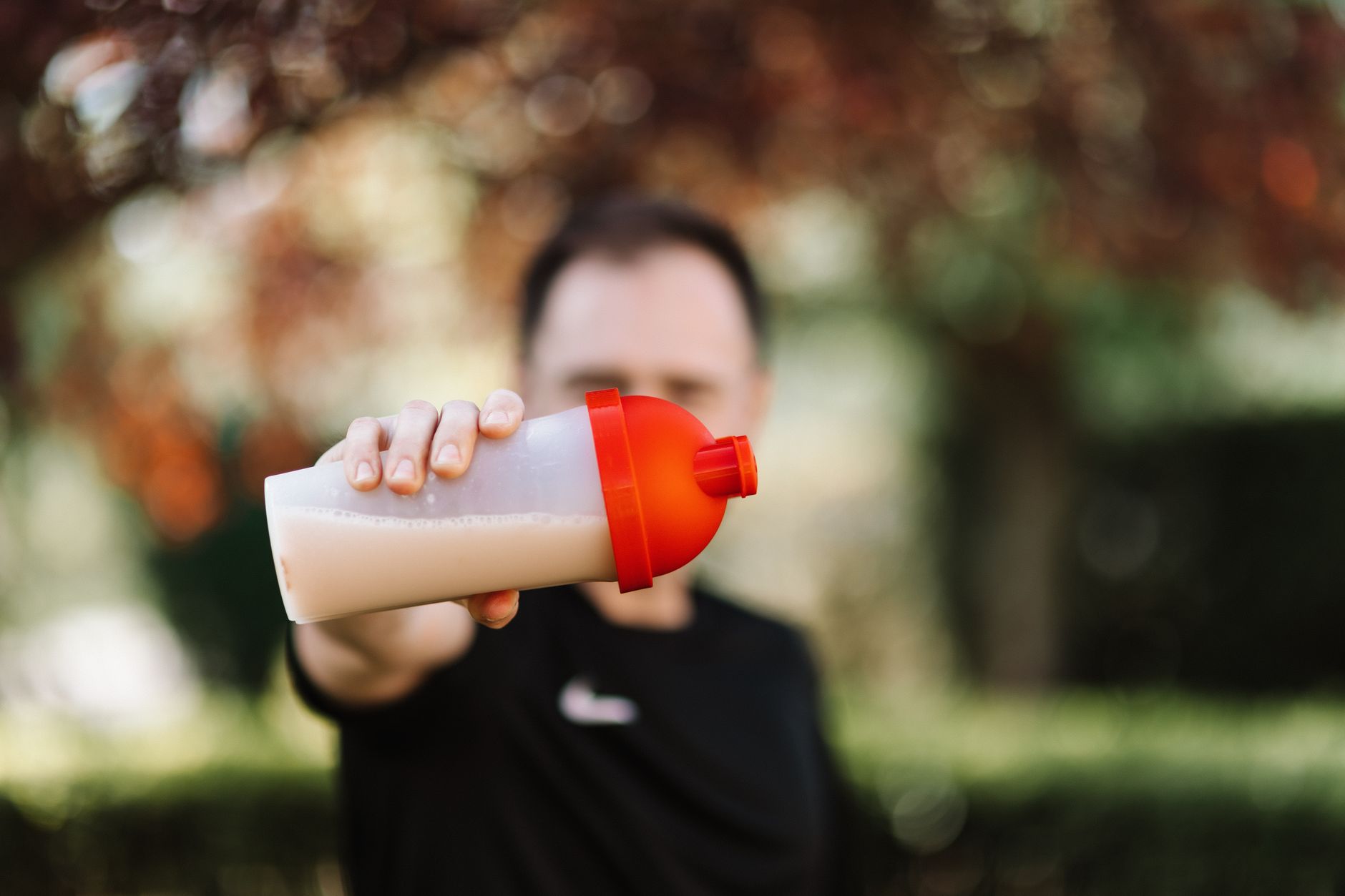
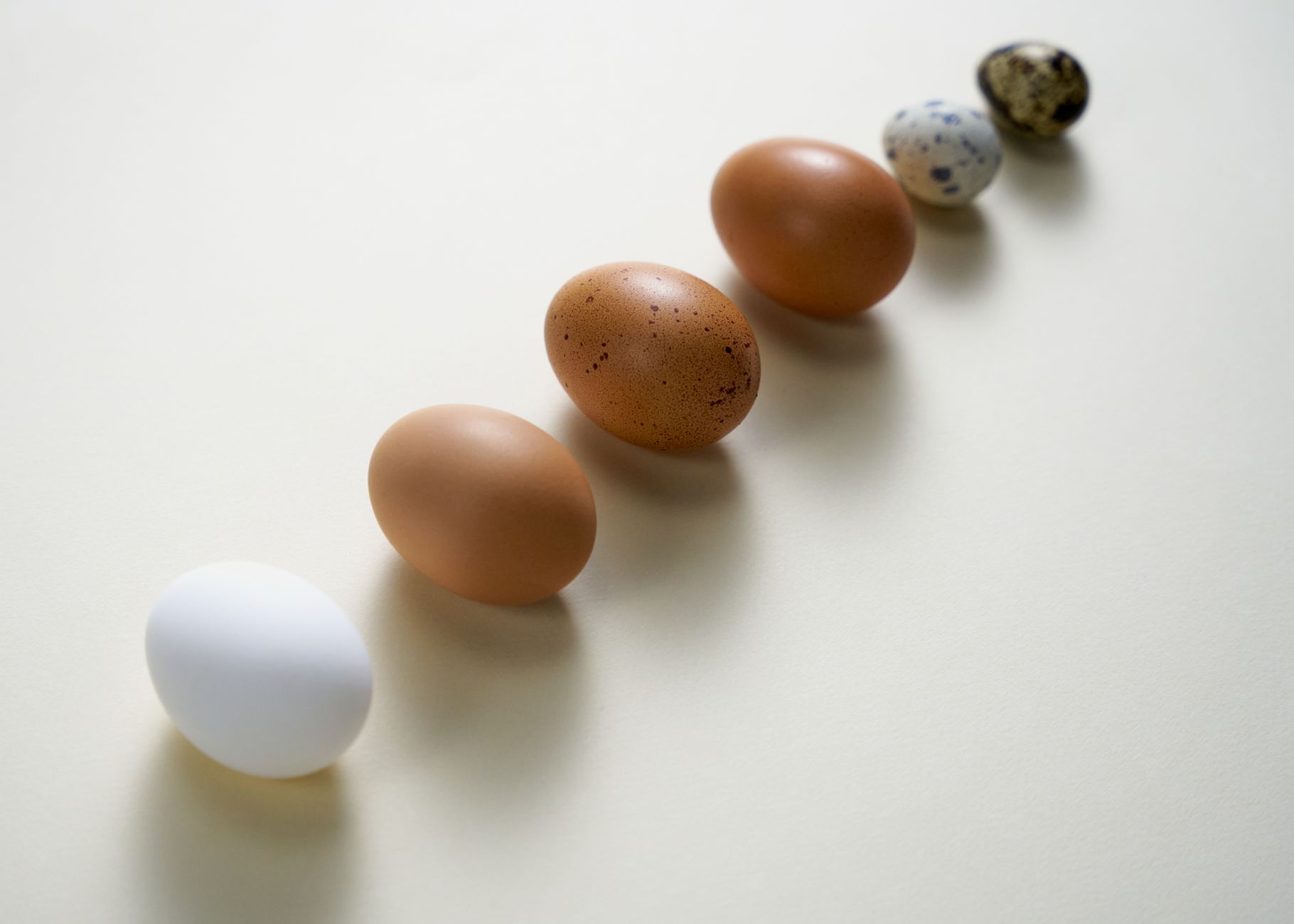
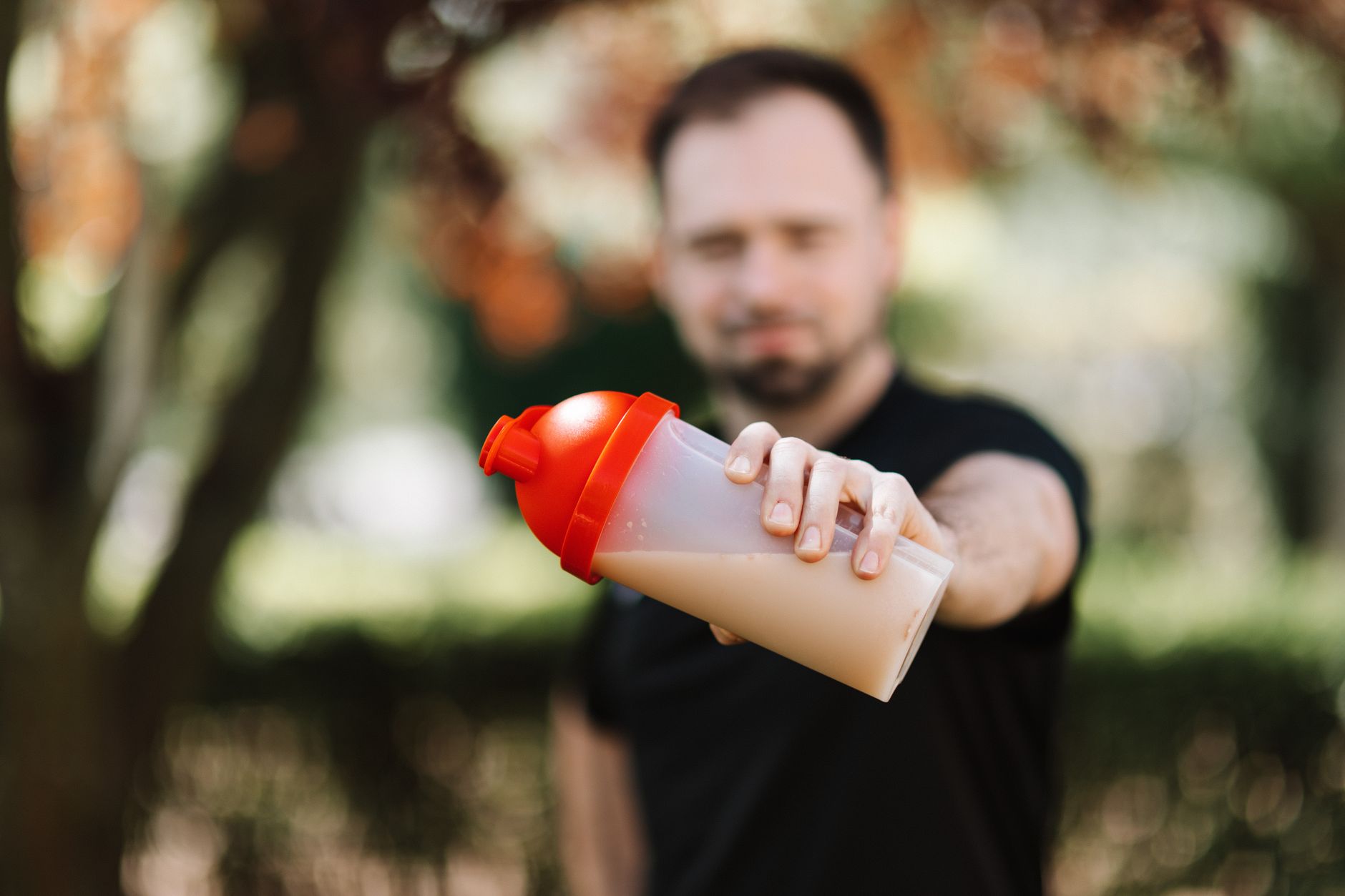
Protein powder is dried, filtered dairy or plant protein. It works because protein works, and it competes with chicken and lentils on price and convenience rather than on any special property.
It earns its place when:
- You are struggling to reach 1.6 g/kg from food — common for older adults, for vegans, and for anyone with a small appetite.
- You want protein at a moment when cooking is not realistic.
- Appetite is the limiting factor and a shake goes down when a meal will not.
It does not earn its place merely because you train. If you are already hitting the target from food, adding powder adds cost and nothing else.
Whey, casein, and the timing question
Whey absorbs quickly, casein slowly. This difference is real and matters far less than the daily total. The "anabolic window" — the idea that protein must be consumed within thirty minutes of training — has been substantially walked back; the current evidence points to total daily intake and reasonable distribution mattering considerably more than timing around a session.
What the label will not tell you
Supplements are regulated far more loosely than food in most countries, and independent testing has repeatedly found products that do not match their label, along with heavy metal contamination in some. Third-party certification — Informed Sport, NSF Certified for Sport — is the only practical assurance, and it matters especially for anyone subject to drug testing.
Amino acid spiking is the specific trick to know about: cheap free amino acids such as glycine and taurine are added because standard nitrogen tests count them as protein, inflating the number on the panel without delivering usable protein.
Where the ceiling is, and the kidney claim
Above roughly 2.2 g/kg, controlled trials stop showing additional benefit for muscle retention or growth in most people. Higher intakes are not dangerous for healthy kidneys — that claim has been tested repeatedly, including in trials with athletes at very high intakes, and it does not hold up. What higher intakes do is displace other food and cost more.
The exception matters and is not hypothetical: existing kidney disease genuinely changes the recommendation, and that is a conversation with a doctor rather than with a calculator.
Distribution across the day
Spreading protein across three or four meals of roughly 25 to 40 g stimulates muscle protein synthesis more effectively than the same total eaten mostly in the evening — which is the pattern most people actually have. Fixing breakfast is usually the single largest available improvement, and it requires no supplement to do it.