Cottage cheese pancakes
Blender cottage cheese pancakes with oats and eggs: 25 g of protein a serving without any protein powder. Tender and custardy, and they do not taste like cottage cheese.
- 360
- kcal
- 25g
- protein
- 15g
- fat
- 30g
- carbs
- Prep
- 10 min
- Cook
- 15 min
- Serves
- 2
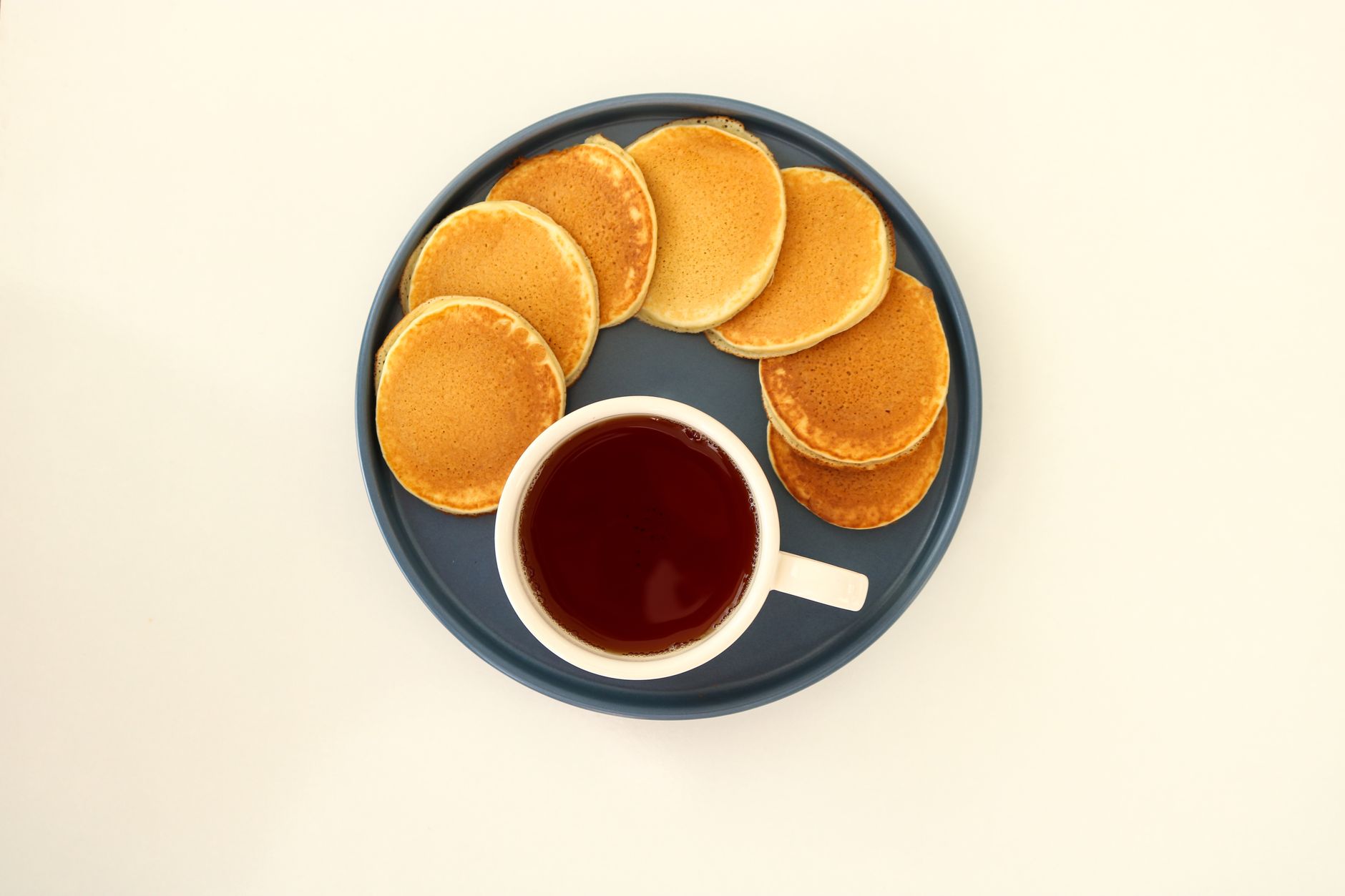
Photograph by Feyza Daştan on Pexels
Ingredients
- 1 cup (225 g) 2% cottage cheese
- 3 large eggs
- 2/3 cup (55 g) old-fashioned rolled oats
- 1 tbsp maple syrup
- 1 tsp baking powder
- 1 tsp vanilla extract
- A pinch of kosher salt
- 2 tsp butter, for the pan
Method
-
1
Blend the batter
Blend everything except the butter until completely smooth, about 1 minute.
-
2
Rest the batter
Leave it 5 minutes so the oats thicken it. It will still be thinner than ordinary pancake batter.
-
3
Heat the pan
Heat a nonstick skillet over medium-low heat and wipe it with a little of the butter.
-
4
Cook small pancakes
Pour 3 tablespoons of batter per pancake and keep them small, about 3 inches across. Cook 2 to 3 minutes, until the edges are set and the underside is golden.
-
5
Flip and finish
Flip carefully with a thin spatula and cook 1 to 2 minutes more. They are softer than flour pancakes, and large ones tear.
Will they taste like cottage cheese?
No. Blended smooth, cottage cheese tastes much like the ricotta in Italian ricotta pancakes: mild, slightly tangy, and rich. The pancakes come out tender and a little custardy inside, more like a cross between a pancake and a crepe than a fluffy diner pancake.
If you prefer some texture, pulse the batter only briefly. Small curds of cheese stay in the pancakes and turn soft and creamy when they cook.
Why they are harder to flip, and how to manage it
There is very little starch holding these pancakes together, so they stay soft longer than ordinary ones. Three things help:
- Keep them small. Three inches across is about the limit for flipping in one piece.
- Wait for the edges. The surface will not bubble as much as an ordinary pancake. Flip when the edges look set and matte and the underside lifts easily.
- Medium-low heat. The eggs and cheese brown quickly, so the outside darkens before the inside sets at higher heat.
If they are still too fragile, add 2 tablespoons more oats or 2 tablespoons of all-purpose flour.
Which cottage cheese
Any fat level works. Full-fat (4%) makes the richest, most tender pancakes and adds about 20 kcal a serving. Nonfat makes them a little drier and more eggy. Small or large curd makes no difference once blended.
Variations
- With flour: use 1/2 cup (60 g) of all-purpose flour instead of the oats. No blender needed if you mash the cottage cheese well with a fork first.
- Gluten-free: use oats labeled gluten-free.
- Banana: blend in half a ripe banana and leave out the maple syrup.
- Blueberry: drop a few blueberries onto each pancake right after pouring rather than into the batter, where they turn it purple.
Syrniki
In Ukraine, Russia and Belarus, cottage cheese pancakes mean something different: syrniki, small, thick patties made from dry farmer's cheese bound with egg and a little flour, and fried in butter. They are firmer, sweeter and less like an American pancake. American cottage cheese is too wet for them unless it is drained overnight in a cheesecloth.
Keeping them
They keep 3 days in the fridge and freeze well for 2 months, with parchment between them. Reheat in a skillet or toaster oven. The microwave makes them rubbery.
What they are worth nutritionally
A serving, about 6 small pancakes, has around 360 kcal, with 25 g of protein, 15 g of fat and 30 g of carbohydrate. The 25 g of protein is the main reason a breakfast like this keeps you full for longer than a stack of flour pancakes with the same calories. Toppings are not included.