The Mediterranean diet: what it is, why it keeps winning trials, and how to start
The Mediterranean diet is the most consistently supported eating pattern there is, and the least prescriptive. That combination is not a coincidence — it is the mechanism.
September 19, 2026 · 6 min read
Photograph by Sami Abdullah on Pexels
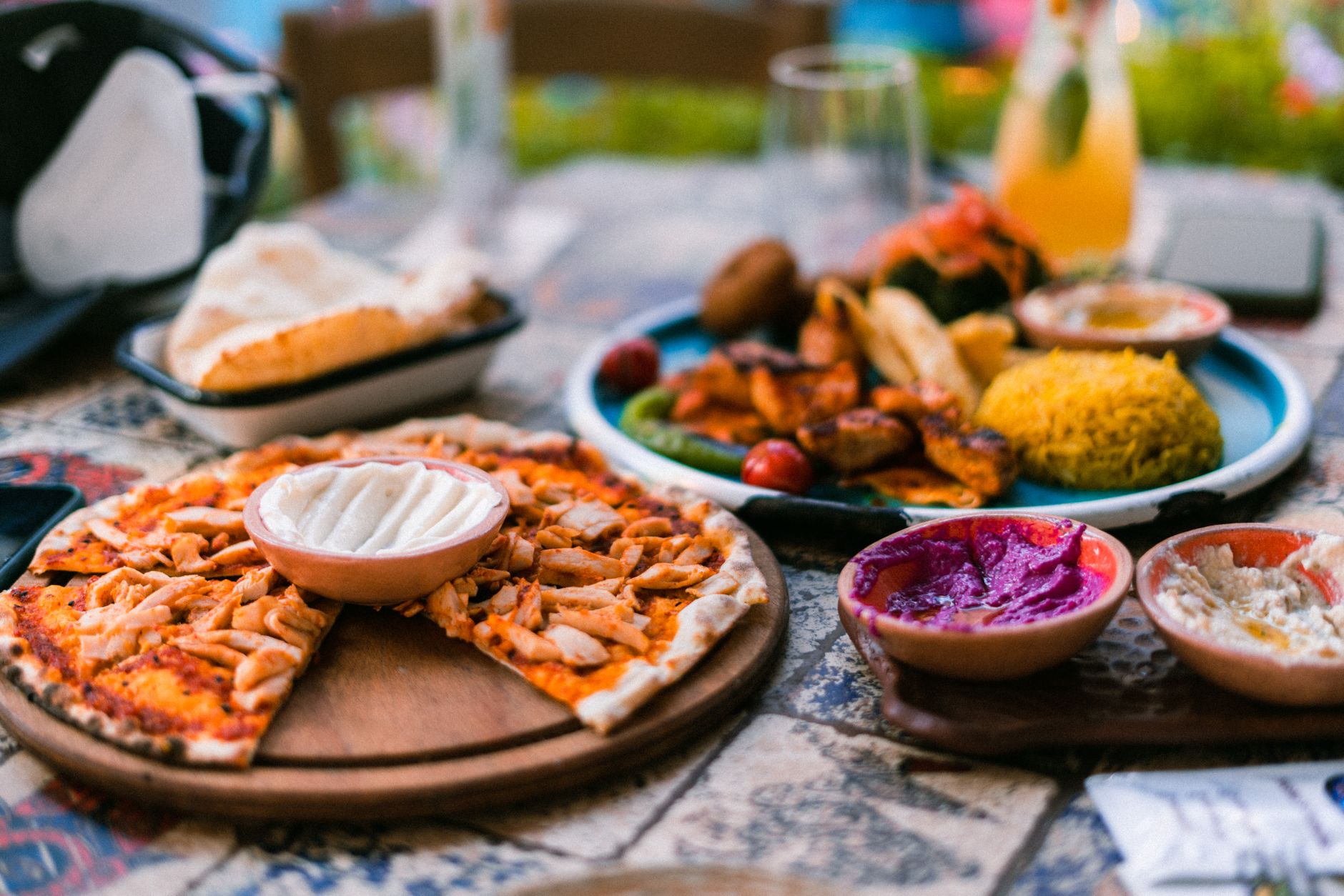
Most named diets are a list of prohibitions. The Mediterranean diet is closer to a description of how a region ate before anyone thought to study it: vegetables and legumes at most meals, olive oil as the default fat, fish more often than red meat, and very little that arrives in a wrapper.
It is also the eating pattern with the strongest evidence base in the whole of nutrition, and the least prescriptive set of rules. Those two facts are related, and the relationship is the most interesting thing about it.
What the Mediterranean diet actually consists of
There is no single official version, which is itself informative — the pattern was reverse-engineered from observation of Crete, southern Italy and Greece in the 1950s and 60s, not designed. What the studied versions have in common:
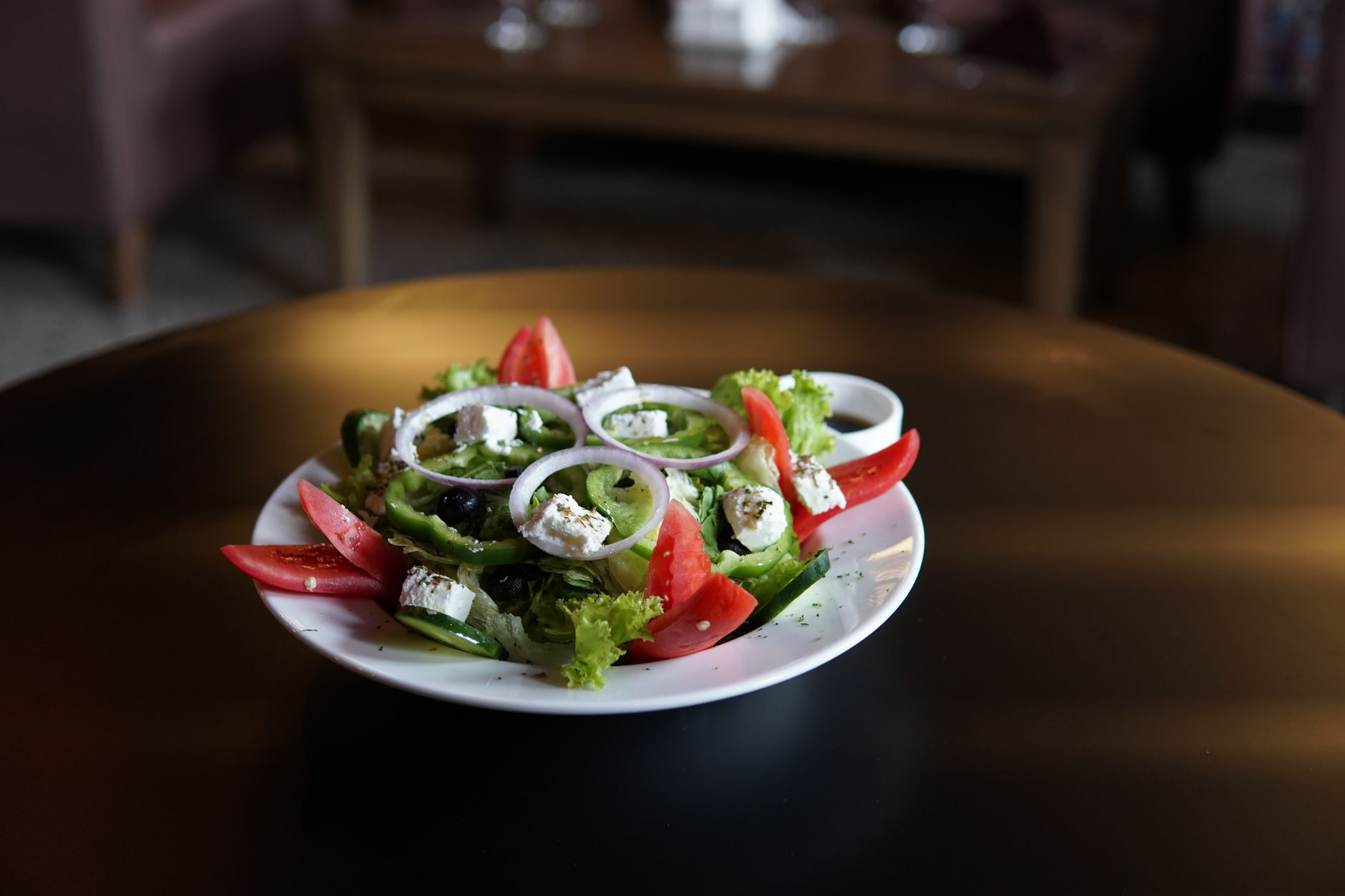
- Vegetables at most meals, in quantities most people would consider excessive. This is the single largest structural difference from a typical Western diet.
- Legumes several times a week — lentils, chickpeas, white beans — often as the main protein rather than a side.
- Extra virgin olive oil as the default fat, used generously and not treated as a health tax.
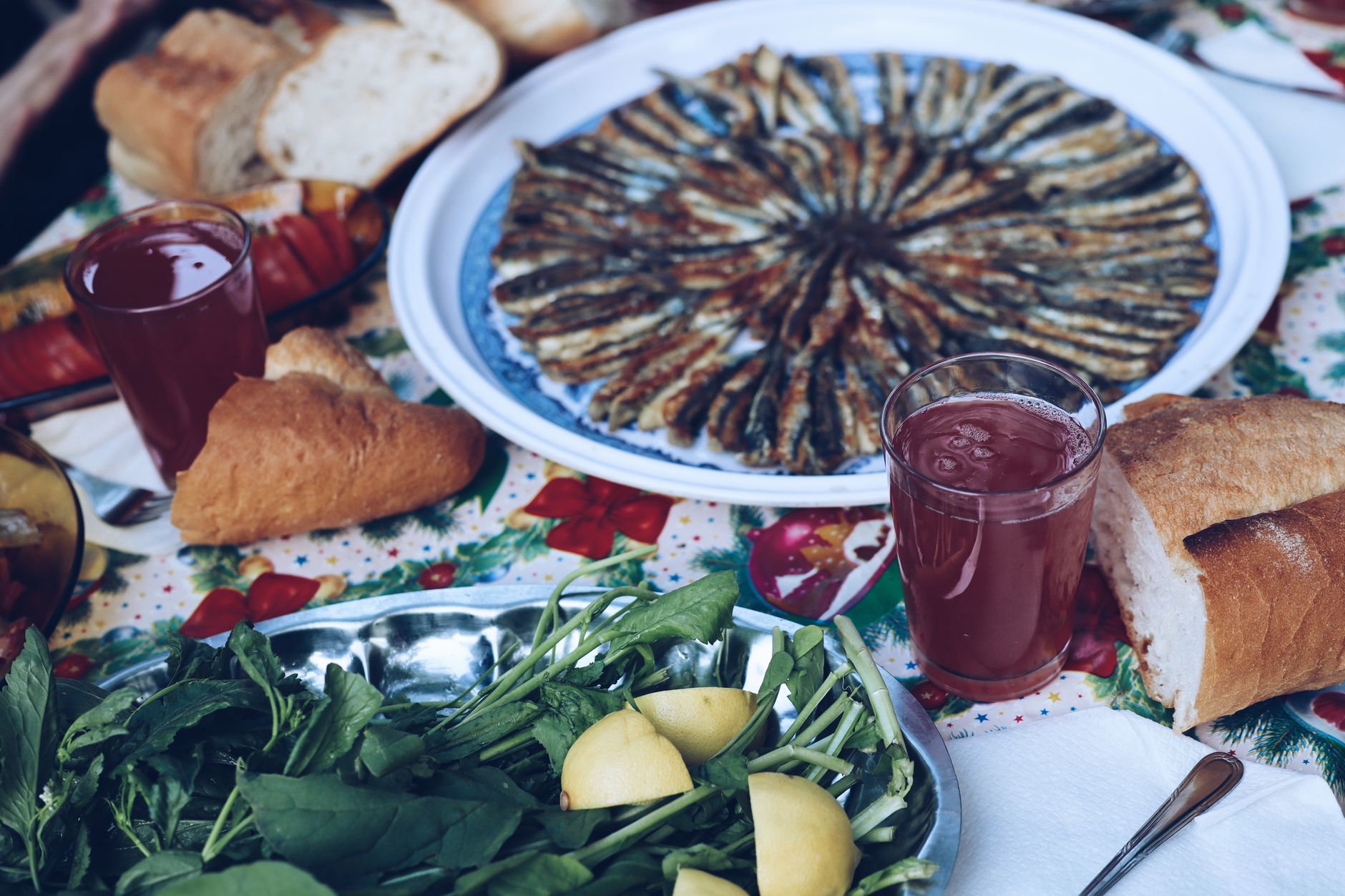
- Fish two or more times a week, oily fish preferred.
- Whole grains rather than refined.
- Nuts most days, a handful rather than a garnish.
- Fruit as the default dessert.
- Red meat occasionally, and processed meat rarely.
- Dairy mostly as yogurt and cheese, in moderate amounts.
- Wine with meals, if at all — the part that has aged least well, and is covered below.
What the evidence actually shows
The strongest findings are cardiovascular. PREDIMED, a large Spanish randomized trial, assigned participants at high cardiovascular risk to a Mediterranean diet supplemented with either extra virgin olive oil or mixed nuts, against a low-fat control. Both Mediterranean groups showed meaningfully fewer major cardiovascular events. The trial was retracted and republished after irregularities in randomization at a few sites were discovered; the reanalysis reached substantially the same conclusion, which is a better outcome than most contested findings manage.
Beyond cardiovascular endpoints, cohort studies associate the pattern with lower rates of type 2 diabetes, some cancers, and cognitive decline. Those are observational and carry the usual caveats, but they point in a consistent direction across different populations.
Where it does not perform
Weight. The effect on body weight is modest, and treating the Mediterranean diet primarily as a weight-loss diet leads to disappointment — it was not designed for that and the trials do not show it. Olive oil and nuts are calorie-dense; the pattern improves what you eat rather than automatically reducing how much. If weight is the goal, the pattern is a good foundation and a calorie deficit is still the mechanism.
Why the Mediterranean diet holds up better than most
Adherence. A diet only works while you are still eating it, and there is nothing here to fall off. There is no threshold to cross, no food that ruins the day, no phase that ends and leaves you without a plan. Compared with an eating pattern that forbids an entire macronutrient, this asks for a shift in proportions rather than a rewrite of your kitchen.
That matters more than it sounds. In head-to-head diet trials, the differences between named approaches at twelve months are consistently smaller than the differences between people who stuck to their assigned diet and people who did not — regardless of which diet it was. A pattern that is easy to keep has a structural advantage that no metabolic mechanism can match.
The mechanisms, as far as they are understood
Several plausible ones operate together rather than one dominant effect: replacing saturated with monounsaturated fat improves blood lipids; the polyphenols in extra virgin olive oil have measurable anti-inflammatory activity; the fiber load supports the gut bacteria that produce short-chain fatty acids; and long-chain omega-3s from fish affect platelet function and inflammatory signalling. See the anti-inflammatory diet article for how much of that stands up.
What it is not
It is not olive oil poured over an otherwise unchanged plate. It is not pasta with the word Mediterranean in front of it, and it is not a pizza. The pattern that produced the results is heavy on vegetables, legumes and whole grains, with meat as a garnish rather than the center of the plate — and the modern Mediterranean countries themselves have drifted a long way from it, with rising obesity rates to match.
The wine question
Moderate wine with meals was part of the original description, and for years the observational data suggested a J-shaped curve where light drinkers fared better than abstainers. That interpretation has weakened considerably. Mendelian randomization studies — which use genetic variation in alcohol metabolism to get around the confounding — do not support a protective effect, and the sober-abstainer problem (people who quit drinking because they are ill) explains much of the original curve.
The honest position now: the Mediterranean diet works without the wine, and no health authority recommends starting to drink for cardiovascular benefit.
The olive oil grade genuinely matters here
This is one of the few places in nutrition where a product grade carries real weight. The polyphenols responsible for much of the interest — oleocanthal, oleuropein, hydroxytyrosol — are present in extra virgin oil and largely stripped out by refining. Oleocanthal is the compound responsible for the peppery catch at the back of the throat in a fresh, good oil; that sensation is a rough quality indicator.
Buy oil in dark glass, check for a harvest date rather than only a best-before, and use it fast. Contrary to a persistent myth, extra virgin olive oil is perfectly suitable for normal domestic cooking — its monounsaturated fat and polyphenols make it more oxidatively stable than several oils with higher smoke points. See healthy fats.
How to start a Mediterranean diet
Two changes carry most of the pattern, and neither requires you to give anything up:
- Change the fat first. Olive oil in place of butter and refined seed oils, for cooking and dressing. This is a single purchasing decision that alters most meals.
- Move legumes into two dinners a week. Not as a side — as the thing the meal is built around. A lentil soup, a chickpea salad, a bean soup like minestrone.
After that: fish twice a week, a handful of nuts most days, fruit instead of dessert, and vegetables in larger quantities than feel normal at first. There is a starting point in the world cuisines recipes and in the legume dishes.
What you do not need: a supplement, a subscription, or a shopping list of ingredients you have never heard of. That absence is a feature, and it is a large part of why this pattern keeps outperforming the ones with better marketing.