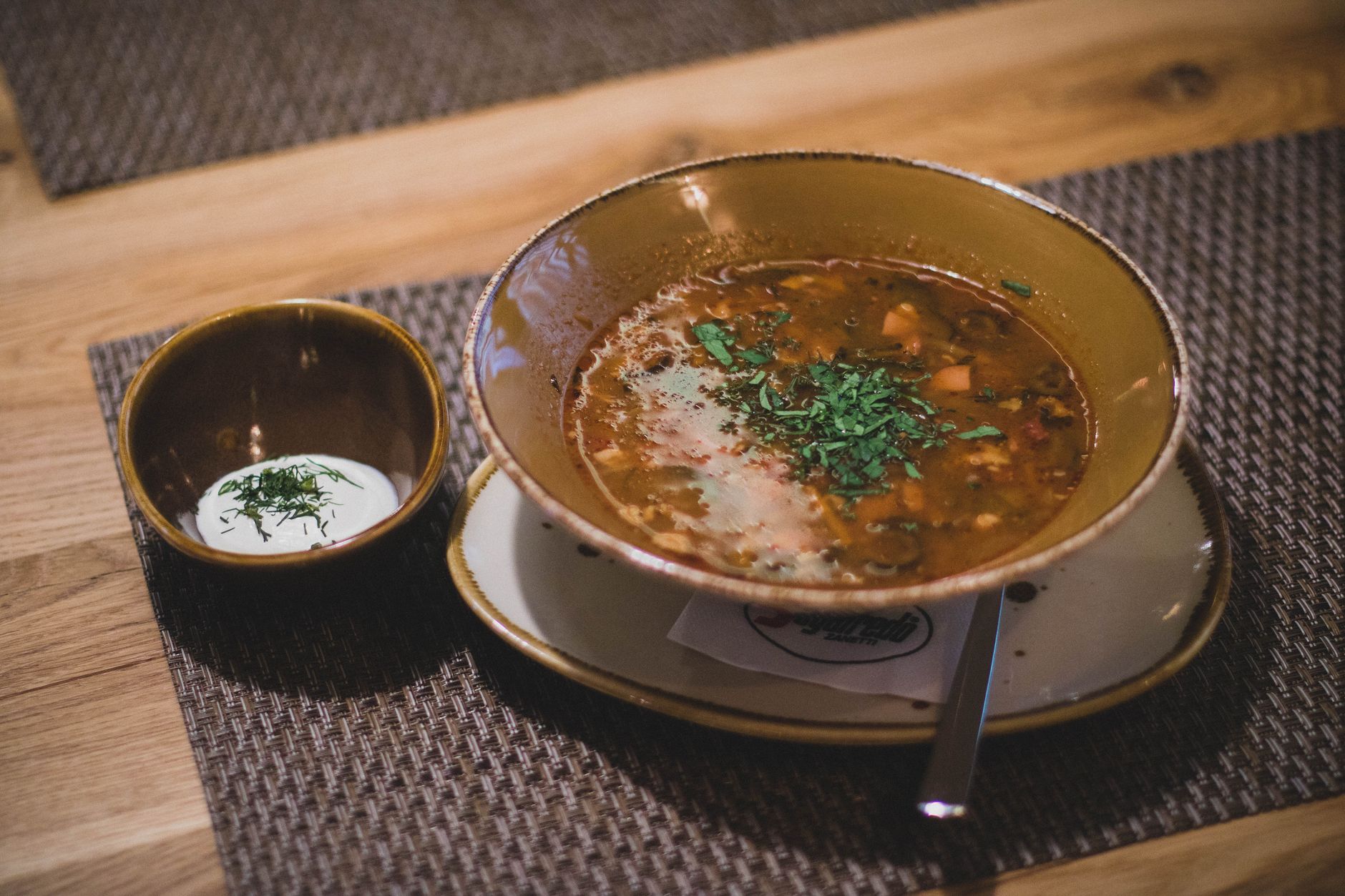
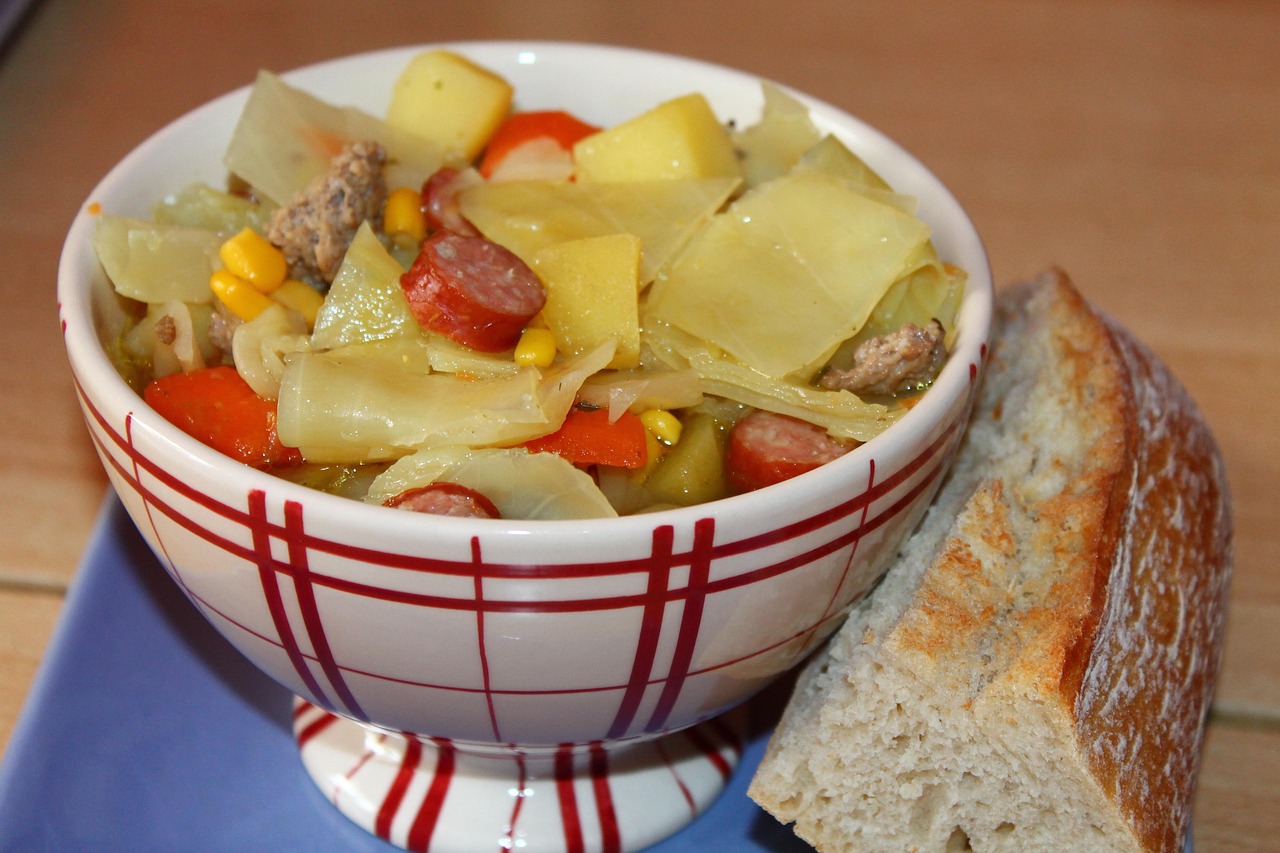
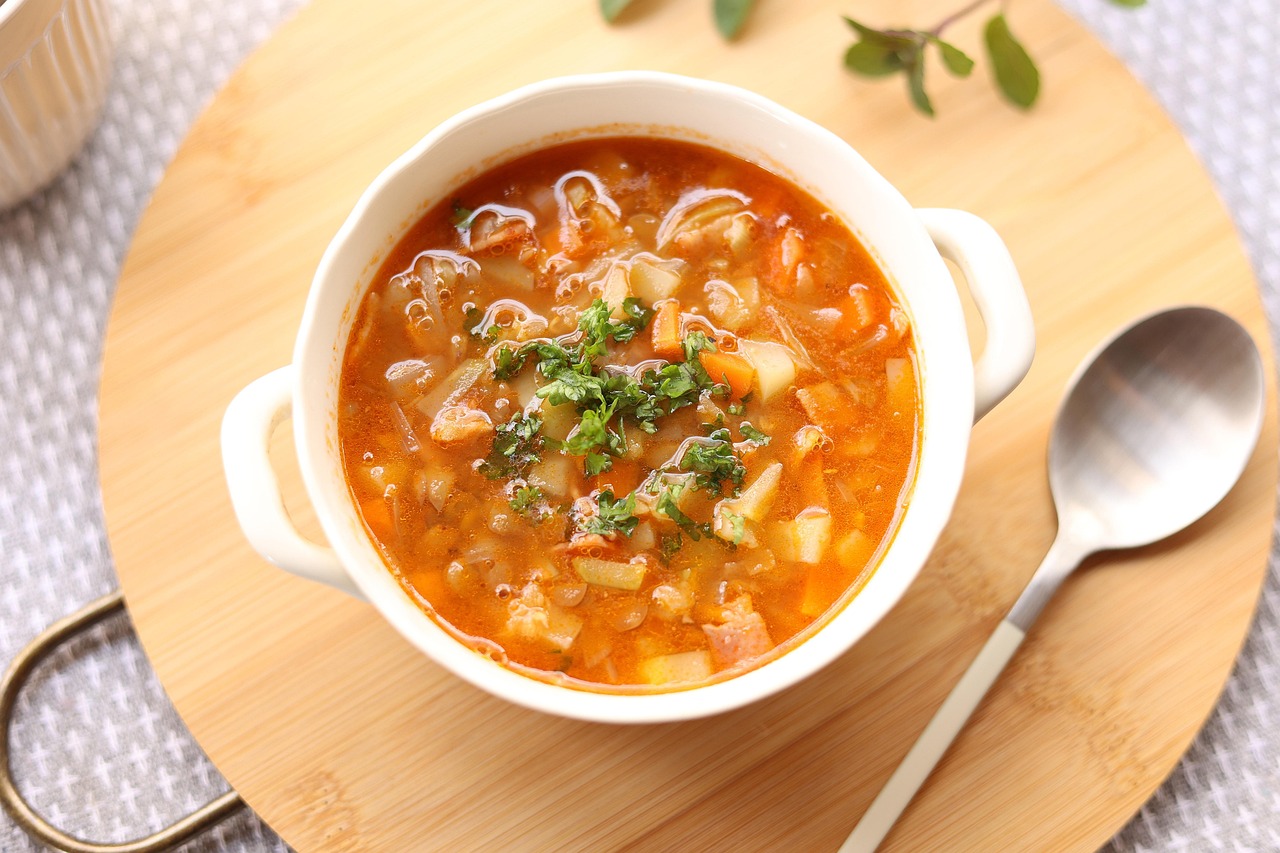
Easy minestrone soup
An easy minestrone soup recipe: one pot of Italian vegetables, cannellini beans and small pasta. A Parmesan rind does more for it than any seasoning.
- 220
- kcal
- 9g
- protein
- 6g
- fat
- 32g
- carbs
- Prep
- 20 min
- Cook
- 55 min
- Serves
- 6
Ingredients
- 2 tbsp olive oil
- 1 onion, diced
- 2 carrots, diced
- 2 ribs celery, diced
- 3 cloves garlic, sliced
- 1 zucchini, diced
- 1 can (14.5 oz) diced tomatoes
- 6 cups vegetable or chicken stock or broth
- A Parmesan rind, if you have one
- 1 can (15 oz) cannellini beans, drained and rinsed
- 2 cups chopped kale or savoy cabbage
- 3/4 cup ditalini or other small pasta
- Grated Parmesan, basil and olive oil, to serve
Method
-
1
Cook the soffritto
Cook the onion, carrot and celery in the oil over medium-low heat for 10 minutes, until soft and just starting to color. Add the garlic for the last minute.
-
2
Cook down the tomatoes
Raise the heat to medium, add the tomatoes and cook 8 to 10 minutes, until most of the liquid has cooked off.
-
3
Simmer with the rind
Add the stock and the Parmesan rind, bring to a boil, and simmer gently for 20 minutes.
-
4
Add the beans and vegetables
Add the beans, zucchini and greens and simmer 5 minutes more.
-
5
Cook the pasta in the soup
Add the pasta and cook until tender, 8 to 10 minutes, stirring now and then so it does not stick. Add a splash of water if the soup gets too thick.
-
6
Season and serve
Fish out the rind, season well, and serve with Parmesan, basil and a little olive oil.
Minestrone is a method, not a fixed list
There is no single correct minestrone. The name just means a big soup, and in Italy it changes with the region and the season: beans and cabbage in winter, zucchini and green beans in summer, rice instead of pasta in the north. The method stays the same. Start with a slowly softened base of onion, carrot and celery (the soffritto), add tomato, stock, beans and something green, and cook a starch in the pot at the end. Once you know that shape you can make it with whatever is in the crisper drawer.
The soffritto is where the flavor starts
Ten minutes over medium-low heat feels like a long time to cook three vegetables, and it is the step people rush. Softening the onion, carrot and celery slowly makes them sweet. Frying them quickly just makes them taste of browned onion. Cooking the tomatoes down afterward matters too. Tomato cooked until its liquid is gone tastes deeper and less sharp than tomato that goes straight into the stock.
The Parmesan rind
If you buy wedges of Parmesan, keep the rinds in a bag in the freezer for this. Simmered in the soup, a rind releases glutamates and gives the broth the savory depth a vegetable soup otherwise lacks, much like a ham bone would. It softens but does not melt; take it out before serving. Without one, a tablespoon of white miso stirred in at the end does a similar job. Traditional Parmesan is made with animal rennet, so for vegetarians skip the rind, use vegetable stock, and top with a vegetarian hard cheese.
Pasta in the pot, or on the side
Cooking the pasta in the soup thickens the broth with its starch, and that body is part of what makes minestrone. The catch is that pasta keeps absorbing liquid, so by the next day it is swollen and the soup has become a stew. If you are making a big batch to eat over several days, cook the pasta separately and add it to each bowl as you serve. Otherwise just loosen the leftovers with water or stock when you reheat them.
Making it your own
- Summer: swap the kale for green beans and a handful of fresh peas, and finish with pesto instead of basil.
- Winter: add a diced potato with the stock and use savoy cabbage.
- Gluten-free: use rice or a gluten-free pasta, or leave the starch out and add a second can of beans.
- Heartier: brown 4 oz of diced pancetta before the soffritto and cook the vegetables in its fat.
Keeping it
Up to four days in the fridge, and it tastes better on the second day. It freezes well for up to three months. For the best texture, freeze it without the pasta and add freshly cooked pasta when you reheat.
What it is worth nutritionally
A big bowl is about 220 kcal with 9 g of protein and a good amount of fiber, mostly from the beans and vegetables. That is a lot of food for the calories, which is what soup does best: the water and vegetables fill you up. Cannellini beans provide the largest share of the protein. With cheese on top it makes a complete meatless meal.