Healthy vegetable soup
A big pot of homemade vegetable soup at 150 calories a bowl. Browning the tomato paste and finishing with lemon is the difference between vegetable soup and vegetable water.
- 150
- kcal
- 5g
- protein
- 4g
- fat
- 26g
- carbs
- Prep
- 20 min
- Cook
- 40 min
- Serves
- 8
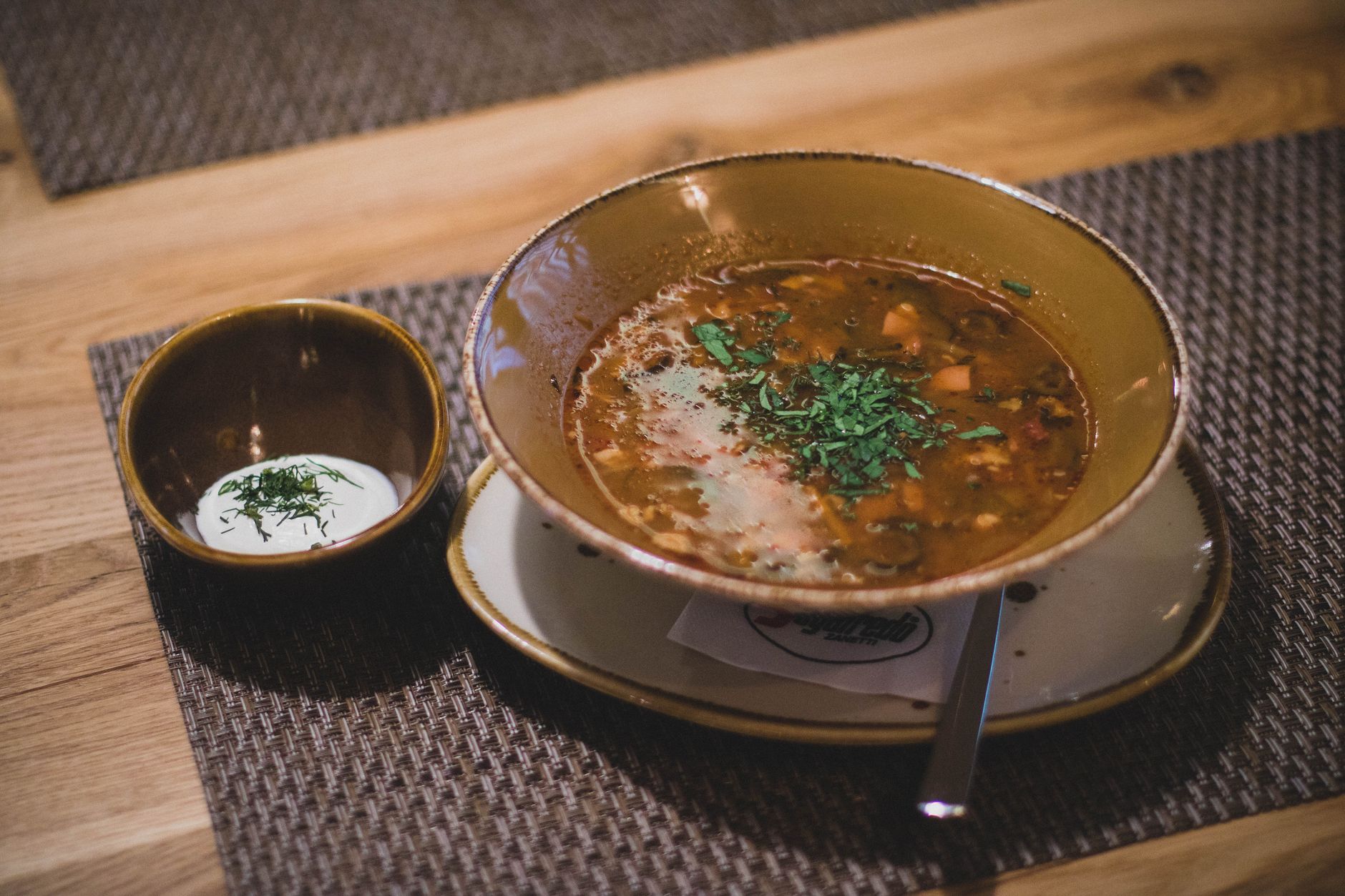
Photograph by Valeria Boltneva on Pexels
Ingredients
- 2 tbsp olive oil
- 1 onion, diced
- 2 carrots, diced
- 2 ribs celery, diced
- 3 cloves garlic, minced
- 2 tbsp tomato paste
- 1 tsp Italian seasoning
- 1 can (14.5 oz) diced tomatoes
- 8 cups low-sodium vegetable broth
- 2 Yukon Gold potatoes, diced
- 2 cups green beans, cut in 1-inch pieces
- 1 zucchini, diced
- 1 cup frozen corn
- 1 cup frozen peas
- 2 cups chopped spinach or kale
- 1 tbsp lemon juice, plus salt and pepper to taste
- A Parmesan rind, if you have one (leave it out for a vegan soup)
Method
-
1
Cook the base
In a large (6-quart or bigger) pot, cook the onion, carrot and celery in the oil over medium heat for 8 to 10 minutes, until soft. Add the garlic for 1 minute.
-
2
Brown the tomato paste
Stir in the tomato paste and Italian seasoning and cook 2 minutes, until the paste turns a shade darker.
-
3
Simmer the slow vegetables
Add the tomatoes, broth, potatoes, green beans and the Parmesan rind. Bring to a boil and simmer 15 minutes.
-
4
Add the quick vegetables
Add the zucchini and corn (and kale, if using) and simmer 5 minutes, then the peas and spinach for 2 minutes more.
-
5
Season
Remove the rind, stir in the lemon juice and season well with salt and pepper.
What makes vegetable soup taste like something
Vegetable soup has a reputation for being bland, and it usually deserves it. Vegetables simmered in broth give up their color and texture but not much flavor. Three small steps in this recipe change that.
- Cook the base properly. Give the onion, carrot and celery a full 8 to 10 minutes, until soft and sweet, before anything wet goes in.
- Brown the tomato paste. Two minutes in the hot oil turns it from sharp and raw to deep and savory. You will see it darken.
- Finish with acid. A tablespoon of lemon juice at the end brightens every vegetable in the pot. Taste the soup before and after adding it, and you will taste the difference.
A Parmesan rind simmered in the broth adds a savory depth that is hard to get any other way. Keep rinds in a bag in the freezer for exactly this.
Add the vegetables in stages
Potatoes and green beans need 15 minutes. Zucchini and corn need 5, peas and spinach about 2. Put everything in at once and you get mushy zucchini and gray peas next to potatoes that are just tender. Adding the vegetables in stages means each one is cooked just right.
Use what you have
The recipe is a template rather than a rule. Roughly 10 cups of vegetables in total, not counting the onion, carrot and celery base, sorted into slow and quick, is what matters.
- Slow (15 to 20 minutes): potatoes, sweet potatoes, carrots, parsnips, turnips, butternut squash, green beans, cabbage.
- Quick (2 to 5 minutes): zucchini, yellow squash, corn, peas, spinach, kale, chard, broccoli florets.
Frozen mixed vegetables work well in place of the corn, peas and green beans. Add them straight from frozen in the last 5 minutes.
Making it a full meal
At 150 kcal and 5 g of protein, a bowl is a light lunch or a first course rather than a dinner. Add a can of drained cannellini or chickpeas with the potatoes for more protein and fiber. Shredded rotisserie chicken added at the end works too. For pasta, add 3/4 cup of ditalini about 5 minutes before the zucchini, with an extra cup of broth, because the pasta absorbs it.
Slow cooker
Do the first two steps on the stove, then put the base, tomatoes, broth and slow vegetables in the slow cooker on low for 6 hours. Add the quick vegetables for the last 20 minutes and the lemon at the end.
Keeping it
Four days in the fridge. It freezes well for 3 months, though the potatoes turn slightly grainy and the zucchini softens. That is fine in a soup, but leave out pasta if you plan to freeze it. Pasta goes mushy on thawing, so cook it fresh when you reheat.
What it is worth nutritionally
About 150 kcal a bowl, with about 5 g of fiber from ten different vegetables and only 4 g of fat. Soup like this is filling for very few calories because so much of it is water and fiber. A lab study at Penn State found that eating a bowl of low-calorie soup before lunch cut total calories at that meal, soup included, by about 20 percent. A bowl before dinner may be one of the easier ways to eat a little less.