The anti-inflammatory diet: which foods have evidence, and which are marketing
Chronic inflammation is real and diet genuinely influences it. Almost everything sold as an anti-inflammatory food overstates by a wide margin — here is the separation.
August 10, 2026 · 6 min read
Two quite different things share the word inflammation, and conflating them is where most of the confusion in this subject starts.
Acute inflammation is the redness, heat and swelling around a cut or a sprain. It is the immune system working correctly, it is temporary, and it is not something you want to suppress with your lunch.
Chronic low-grade inflammation is different: a persistent, subtle elevation of inflammatory markers such as C-reactive protein and interleukin-6, without any obvious injury. It is associated with obesity, type 2 diabetes, cardiovascular disease, several cancers and cognitive decline. It is this second kind that diet plausibly influences, and it is the reason an anti-inflammatory diet is worth taking seriously at all.
The honest framing, before anything else: no single food is anti-inflammatory in a clinically meaningful sense. Eating patterns shift inflammatory markers measurably. Individual ingredients, at the doses anyone actually eats, mostly do not.
The anti-inflammatory diet that actually has trial evidence
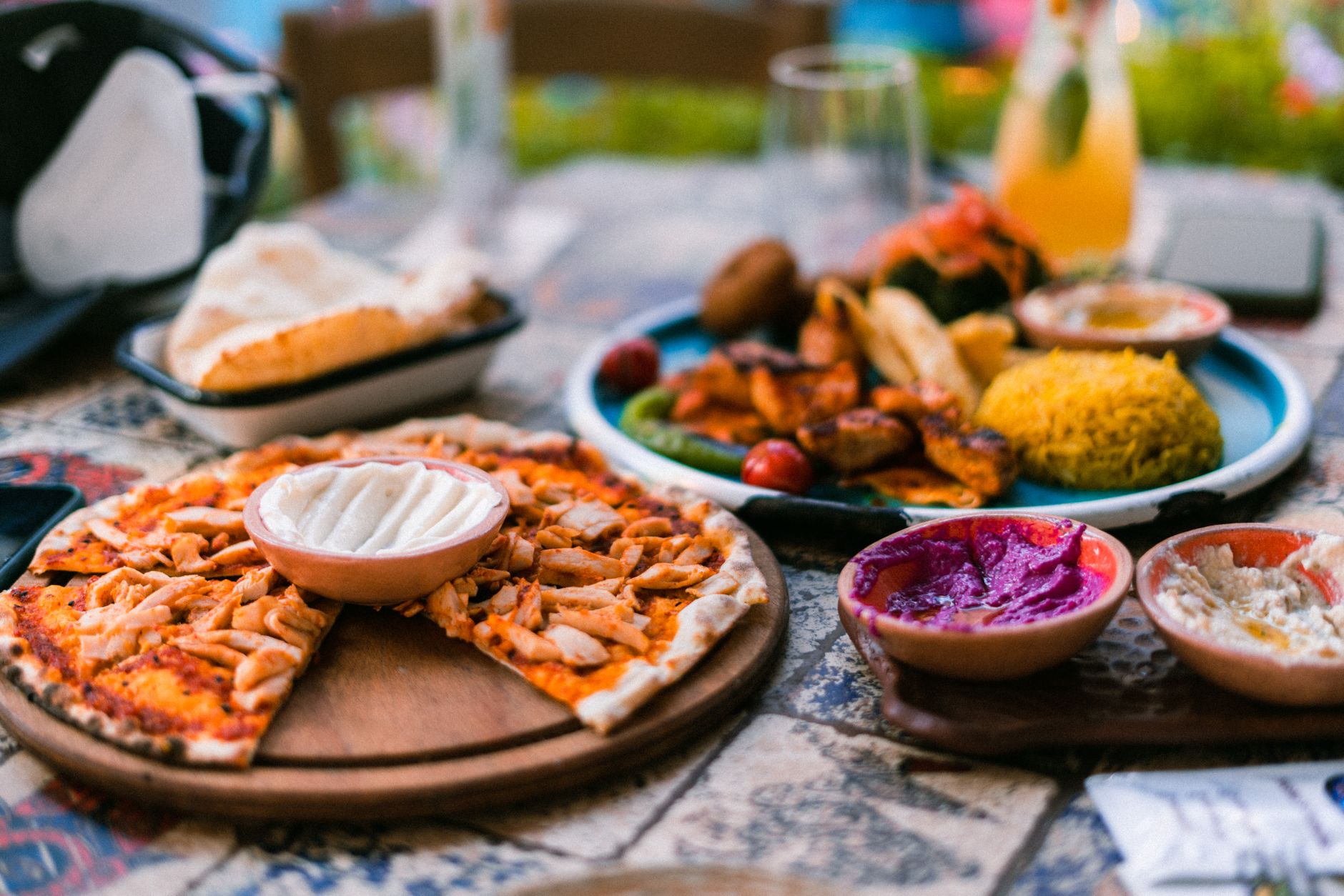
It is the Mediterranean pattern, more or less. That is not a marketing claim — the large randomized trials in this area, PREDIMED chief among them, tested exactly that pattern and found reductions in major cardiovascular events, alongside lower inflammatory markers.
What the pattern looks like in practice:
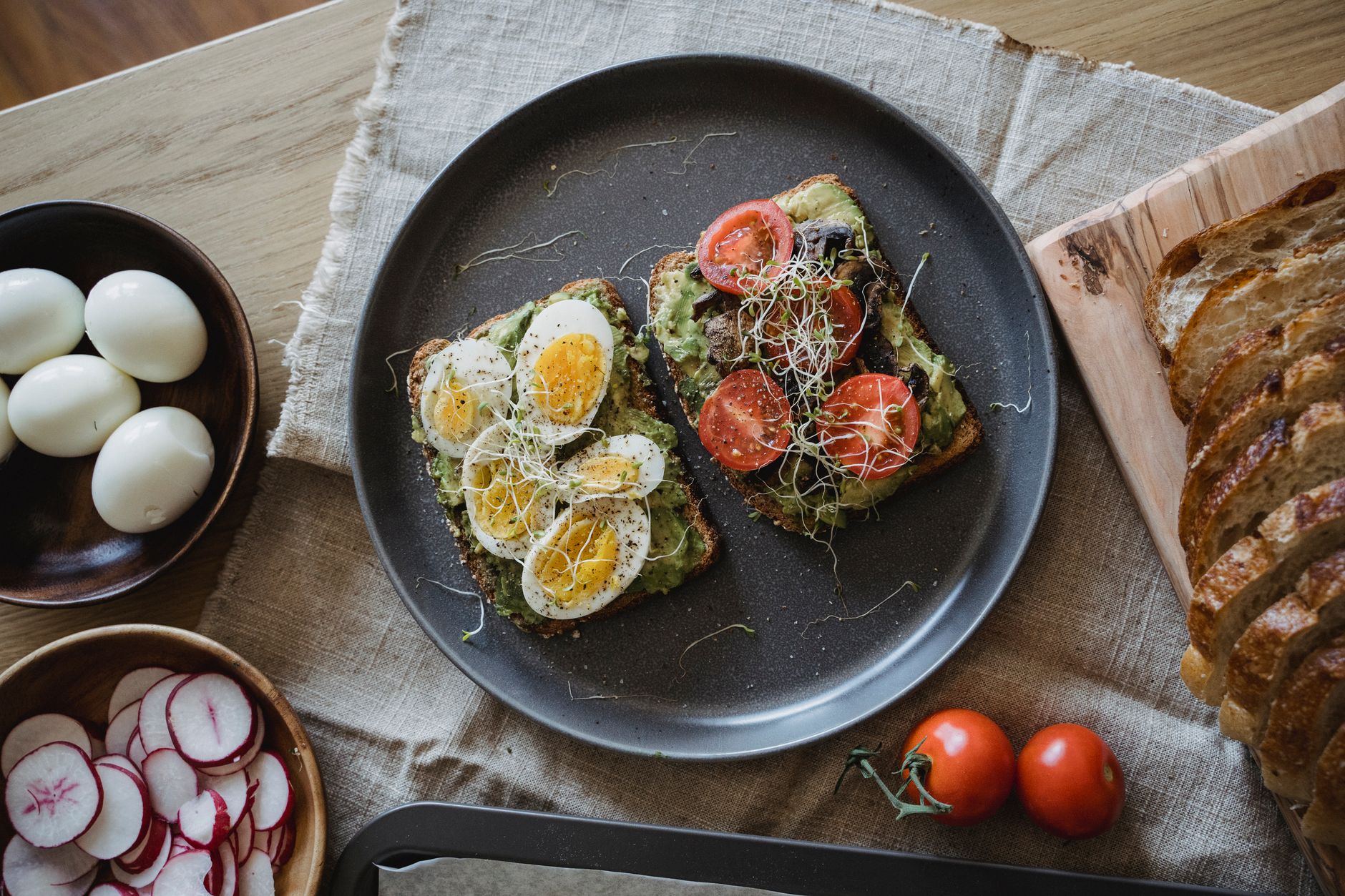
- Vegetables and legumes at most meals, in quantity.
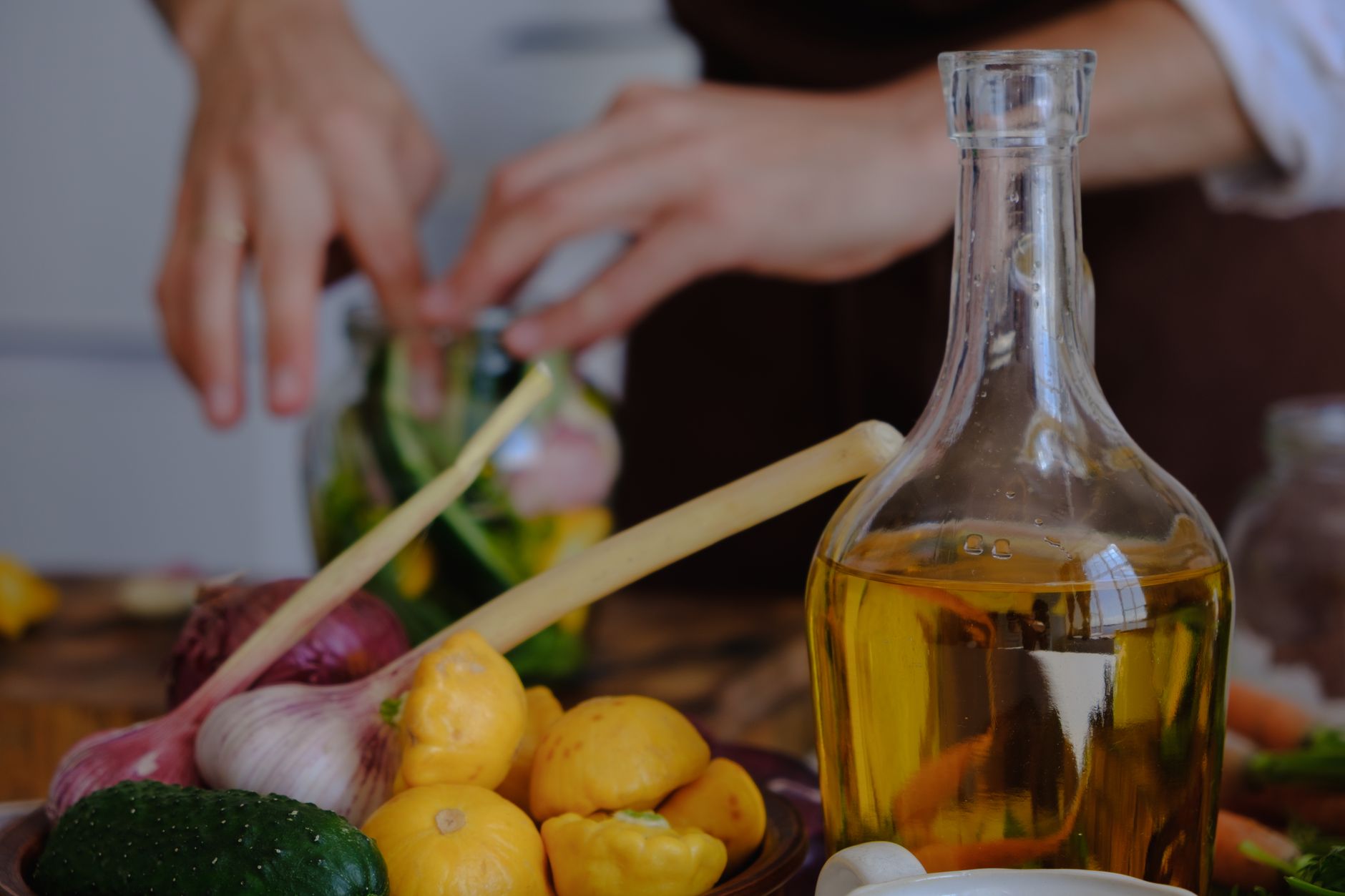
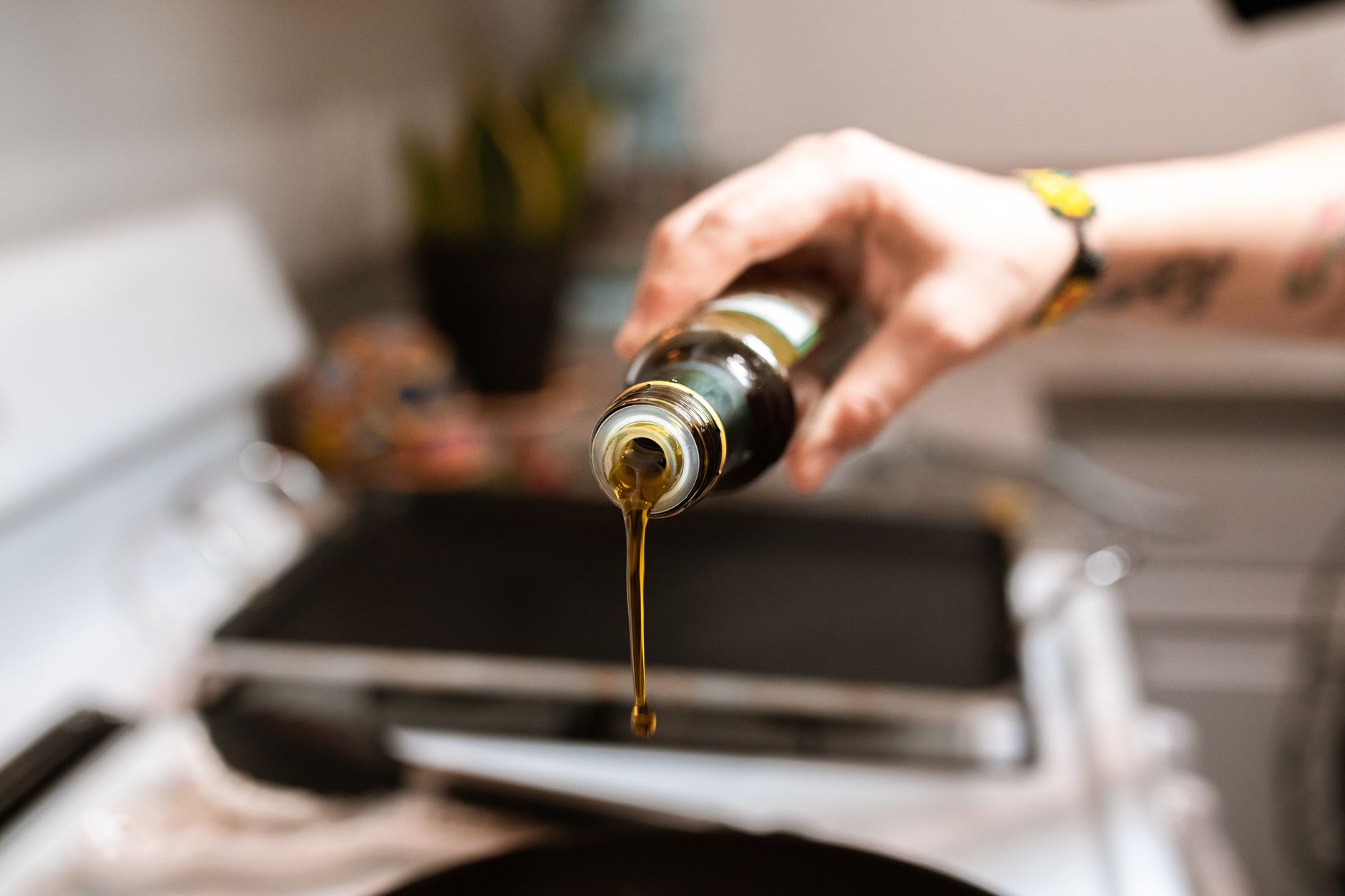
- Extra virgin olive oil as the default fat.
- Fish, particularly oily fish, more often than red meat.
- Whole grains rather than refined.
- Nuts most days.
- Very little ultra-processed food.
Note what is absent from that list: no single miracle ingredient, no supplement, and nothing you have to order online. There is more on the pattern itself in the Mediterranean diet article.
Fiber, and the mechanism that is actually described
Fiber deserves separating out, because it has one of the better-characterized mechanisms linking food to systemic inflammation. Fermentable fiber feeds gut bacteria that produce short-chain fatty acids — butyrate in particular — which support the intestinal barrier and have direct anti-inflammatory effects on immune cells.
A weakened intestinal barrier allows bacterial lipopolysaccharide into circulation, and circulating LPS is a well-documented driver of low-grade inflammation. This is one of the few places in this subject where the chain from food to marker is reasonably well mapped.
The practical implication is deflating and useful: a great deal of what people attribute to exotic ingredients probably belongs to simply eating more plants of any kind.
Anti-inflammatory foods with reasonable support
- Oily fish — salmon, sardines, mackerel, herring. The long-chain omega-3s EPA and DHA are precursors to resolvins and protectins, the signalling molecules that actively end an inflammatory response.
- Extra virgin olive oil. The polyphenols live in the unrefined oil, so the grade genuinely matters here in a way it usually does not. Oleocanthal, the compound responsible for the peppery catch at the back of the throat, has measurable COX-inhibiting activity.
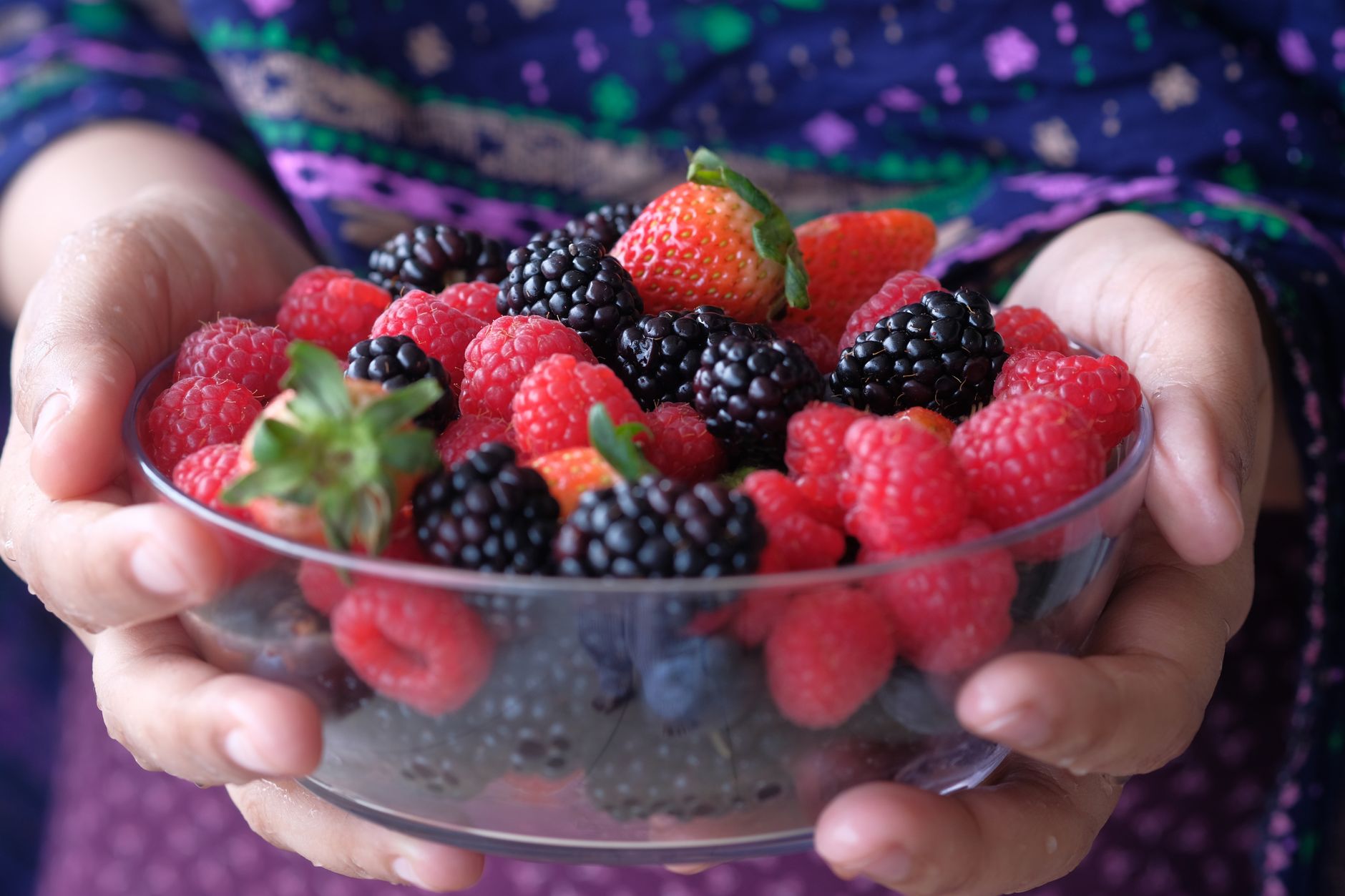
- Berries and other deeply colored fruit, for anthocyanins and other polyphenols.
- Leafy greens and cruciferous vegetables — broccoli, kale, cabbage, Brussels sprouts.
- Nuts, walnuts especially, which combine ALA with polyphenols.
- Legumes and whole grains, mainly through the fiber route above.
- Coffee and tea. Frequently omitted from these lists and genuinely among the largest polyphenol sources in most Western diets.
Where the anti-inflammatory food claims outrun the evidence
Turmeric and curcumin
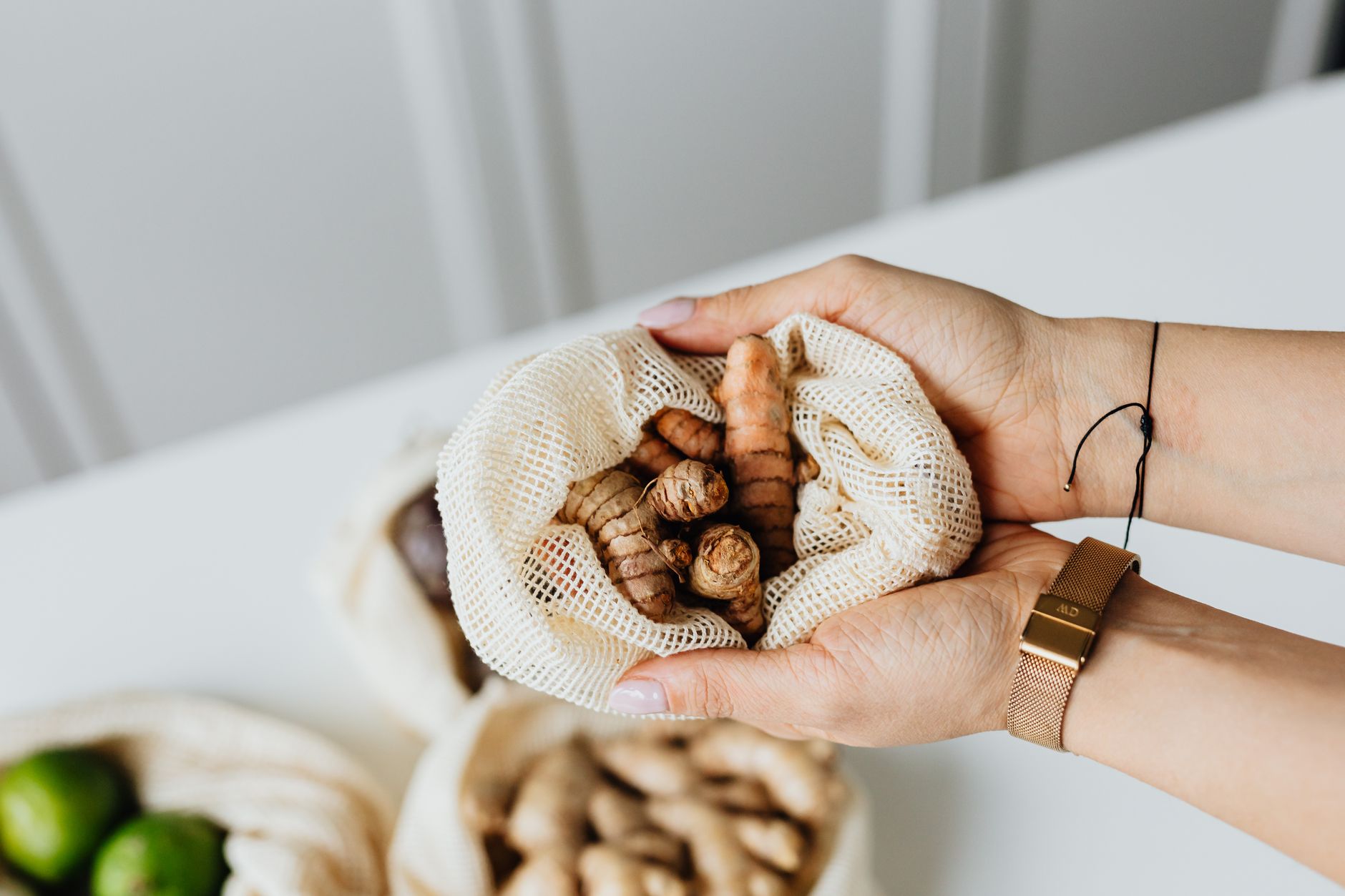
Curcumin does striking things in a test tube. In a human being it is absorbed poorly, metabolized rapidly and cleared quickly, and the trials reporting clinical effects generally use concentrated extracts at doses far above anything a curry delivers, usually combined with piperine to slow its clearance.
Turmeric in food is a good spice with a long culinary history. It is not a treatment, and the gap between "curcumin inhibits NF-κB in cultured cells" and "adding turmeric to your dinner reduces your CRP" is enormous and rarely acknowledged.
Ginger, green tea and tart cherry
Plausible mechanisms; small, heterogeneous and often industry-funded human trials with inconsistent results. Worth eating and drinking. Not worth expecting much from individually.
Nightshades
The claim that tomatoes, peppers, eggplant and potatoes drive inflammation has essentially no supporting evidence in people without a specific sensitivity. Acting on it removes several of the better vegetables from the diet, which is a real cost paid for an imaginary benefit.
Alkaline and anti-inflammatory "detox" protocols
Blood pH is tightly regulated within a range incompatible with life outside it, and no food shifts it. Protocols built on that premise are built on a false one, whatever else they happen to recommend.
Foods that raise inflammatory markers
The removal side of the ledger is better evidenced than the addition side, and gets far less attention.
- Ultra-processed food as a category, in the large observational cohorts and in the small number of controlled feeding trials that exist.
- Refined carbohydrate and sugar-sweetened drinks, particularly through repeated large glycaemic excursions.
- Industrial trans fats, which raise inflammatory markers as well as damaging blood lipids. Largely eliminated in many countries, still present in some.
- Alcohol above moderate intake.
- Excess body fat itself. Adipose tissue is an endocrine organ that secretes inflammatory cytokines; visceral fat is the more active kind.
Anti-inflammatory supplements: what is worth it
Fish oil has the best case of anything in this category, with reasonably consistent effects on inflammatory markers at doses of 2 to 3 grams of combined EPA and DHA. Whether that translates into clinical benefit for a healthy person is much less clear, and the large cardiovascular trials of omega-3 supplements have been mixed at best.
Curcumin extracts with an absorption enhancer have shown symptom benefit in osteoarthritis trials, at doses far beyond dietary turmeric. That is a legitimate finding about a supplement, not about a spice.
Everything else in this aisle is selling mechanism rather than outcome. A compound that does something interesting to cultured cells is not evidence that swallowing it changes anything.
What to actually change
The reductions in inflammatory markers reported in the literature come mostly from three places, none of them glamorous and none of them purchasable:
- Losing excess body fat, especially visceral fat. This has a larger effect than any dietary addition.
- Moving more. Regular exercise lowers resting inflammatory markers, independently of weight.
- Replacing ultra-processed food and refined carbohydrate with plants — more fiber, more polyphenols, less of everything else.
Sleep belongs on that list too: short and disrupted sleep raises inflammatory markers reliably in controlled studies.
Adding a spice to an otherwise unchanged diet is the version that sells. It is not the version that was tested.