The vegan diet: what to eat, and the four nutrients that decide whether it works
A well-planned vegan diet is adequate at every stage of life. The planning comes down to four nutrients, and B12 is the one with no room for negotiation.
August 13, 2026 · 9 min read
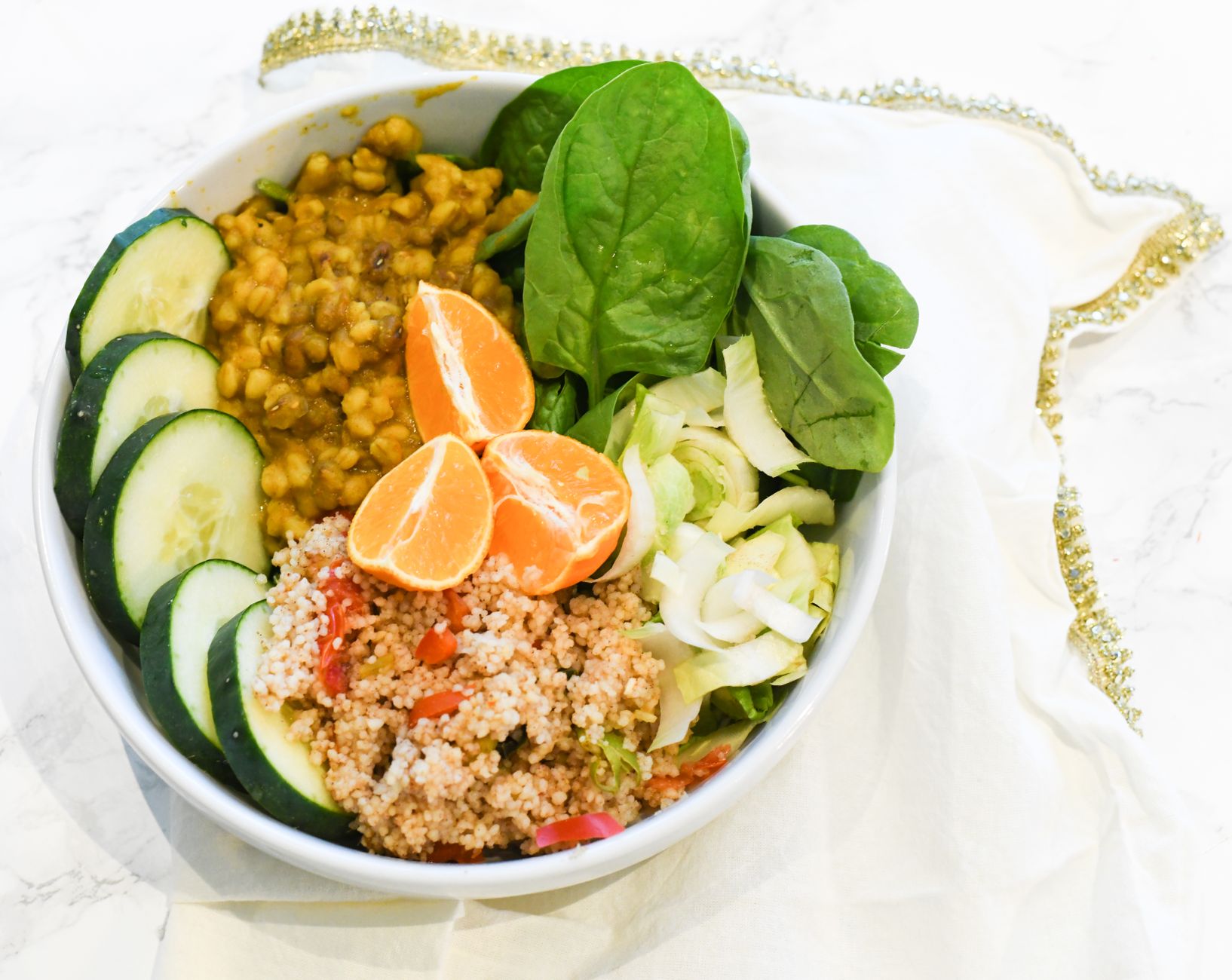
Photograph by Heather Brock on Pexels
Every major dietetic body that has examined the question has landed in roughly the same place. The Academy of Nutrition and Dietetics, the British Dietetic Association and Dietitians of Canada all state that an appropriately planned vegan diet is nutritionally adequate for adults, children, pregnancy, lactation and athletes. That is a stronger endorsement than most named diets ever receive, and it is worth pausing on, because the popular argument is usually conducted as though the science were unsettled.
It is also a conditional statement, and the condition carries the whole weight. "Appropriately planned" is doing a great deal of work in that sentence. Removing every animal product from a diet removes, in one move, the principal food source of four specific nutrients. Cover those four and a vegan diet is unremarkable — it is simply food. Ignore them and it is a slow, quiet deficiency that can take years to declare itself.
This article is about those four, in order of how much trouble each one causes.
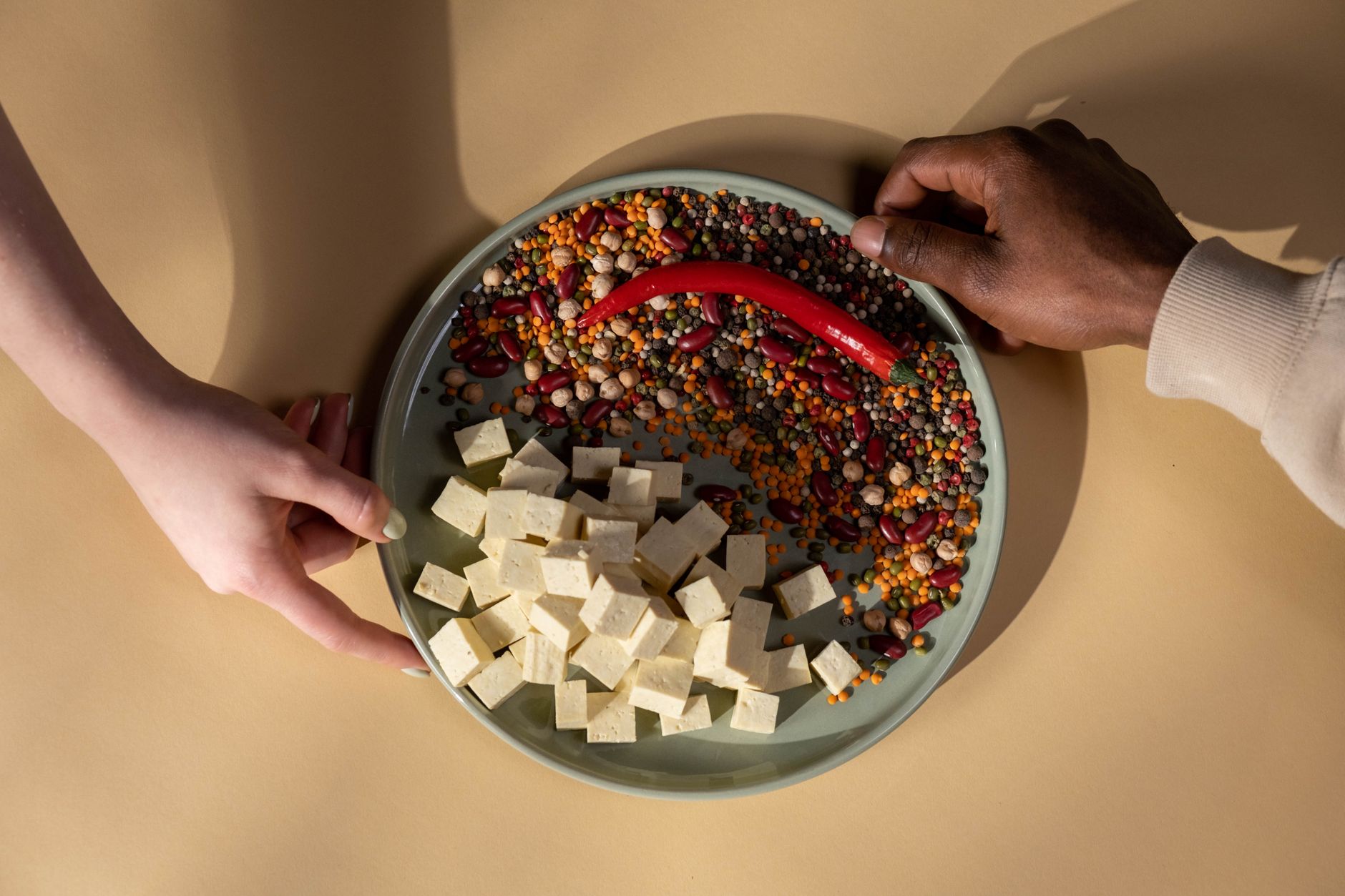
Vegan diet basics: what actually goes on the plate
Before the deficiencies, the ordinary part. A vegan diet excludes meat, fish, dairy, eggs and honey. What remains is a larger category than most people expect: legumes, grains, vegetables, fruit, nuts, seeds, and the products made from them.
The structural change that matters most is protein. Animal products supply protein in a concentrated, highly digestible form, and removing them without replacing them is the most common way a vegan diet goes wrong in practice — not through any exotic deficiency, but through simply eating less protein than before and feeling worse for it.
Plant-based sources of protein, ranked by how much work they do
- Soy — tofu, tempeh, edamame, soy milk. The only common plant protein with an amino acid profile comparable to animal protein, and the most useful single food on a vegan diet.
- Legumes — lentils, chickpeas, black beans, kidney beans. Around 8 to 9 grams of protein per cooked cup, plus a great deal of fiber.
- Seitan — wheat gluten, very high in protein, though not an option for coeliacs.
- Nuts and seeds — useful, but calorie-dense relative to their protein, so they support rather than carry the total.
- Grains — a surprising contributor in aggregate. Nobody thinks of bread and oats as protein, and across a day they add up.
The old worry about "combining proteins" at every meal — rice with beans, in the classic formulation — has been retired. The liver maintains a pool of amino acids across the day, so the combining needs to happen across a diet rather than within a plate. What is true is that plant proteins are individually less complete, so variety does the job that a steak would otherwise do on its own.
A practical target: aim slightly higher than an omnivore would, because plant protein is somewhat less digestible. If you are training or in a deficit, the protein calculator gives the range and adding roughly 10% to it is a reasonable adjustment.
1. Vitamin B12 is not optional on a vegan diet
B12 is synthesized by bacteria. Not by plants, and not by animals — animals accumulate it from their gut flora or their feed. There is no reliable plant source and there never has been.
This is the one item on the list with no room for negotiation, and it is worth being blunt about the foods that are frequently claimed to solve it and do not. Spirulina, chlorella, unfortified nutritional yeast, tempeh and various sea vegetables contain B12 analogs: molecules close enough to register on some blood assays while being biologically inactive in humans. They can therefore mask a deficiency on paper while it continues underneath. That is worse than nothing.
So the answer is a supplement or reliably fortified foods, permanently, for as long as the diet lasts. The dose is not demanding — most guidance lands between 25 and 100 micrograms daily, or a larger weekly dose, because absorption saturates and higher amounts are largely excreted.
Why B12 deficiency takes years to show
The liver stores several years' worth. Intake can stop entirely and nothing happens for a long time, which is precisely what makes it dangerous: by the time fatigue, pins and needles, a sore tongue, memory trouble and unsteadiness arrive, some of the neurological damage does not fully reverse.
There is a further trap. A vegan diet is typically very high in folate, and high folate corrects the anemia that would otherwise be the visible warning sign — while the nerve damage progresses unseen. This is the reason a doctor investigating suspected B12 deficiency tests B12 directly rather than inferring it from a blood count. There is more detail in the vitamin B12 article.
2. Iron, and the absorption problem
Plant iron is non-heme iron, absorbed at roughly 2 to 20% depending on the rest of the meal. The heme iron in meat is absorbed at 15 to 35% and is largely indifferent to what accompanies it.
The consequence is counter-intuitive: vegans often have higher iron intakes than omnivores on paper, and lower iron stores in practice. The intake is not the problem. The absorption is.
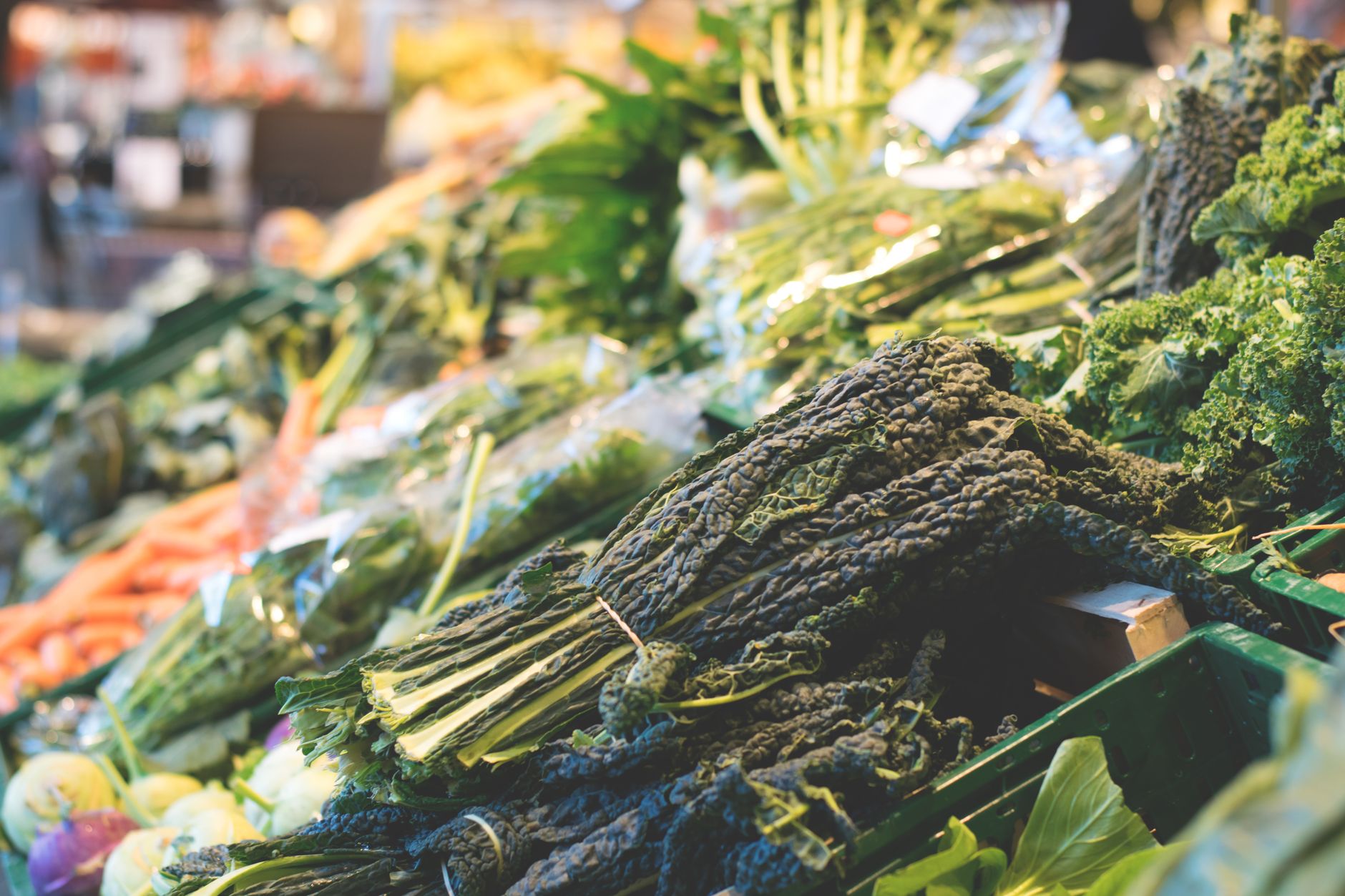
Two levers change the arithmetic more than eating additional iron does:
- Vitamin C in the same meal. This can multiply non-heme absorption several times over. Lemon squeezed over lentils, peppers in a stew, tomatoes in a chili, fruit immediately after. It is the single most effective habit on this list and it costs nothing.
- Tea and coffee away from meals. Polyphenols cut non-heme absorption sharply. Moving the cup an hour either side of eating recovers most of it.
Phytates in whole grains and legumes also bind iron, which is part of why traditional preparations soak, sprout and ferment them. Doing the same at home is a real if modest improvement. The iron article covers the food list in full.
3. Omega-3, and the conversion ceiling
Flax, chia, hemp and walnuts supply ALA, the short-chain omega-3. The body converts ALA into EPA and DHA, the long-chain forms the brain, retina and cardiovascular system actually use. The conversion is inefficient — commonly cited at under 10% for EPA and lower again for DHA, with women converting somewhat better than men, probably for reasons connected to pregnancy.
Eating more flax does not fix this well, because the ceiling is the conversion step rather than the supply. The practical answer is algae oil, which is where fish get their EPA and DHA in the first place. It is the one supplement here that is genuinely optional for most adults and becomes much more important in pregnancy, when fetal brain development has a real DHA requirement.
4. Calcium, iodine and vitamin D
Dropping dairy without replacing it is the quietest mistake on the list, and the one with the clearest long-term signal in the literature.
Calcium
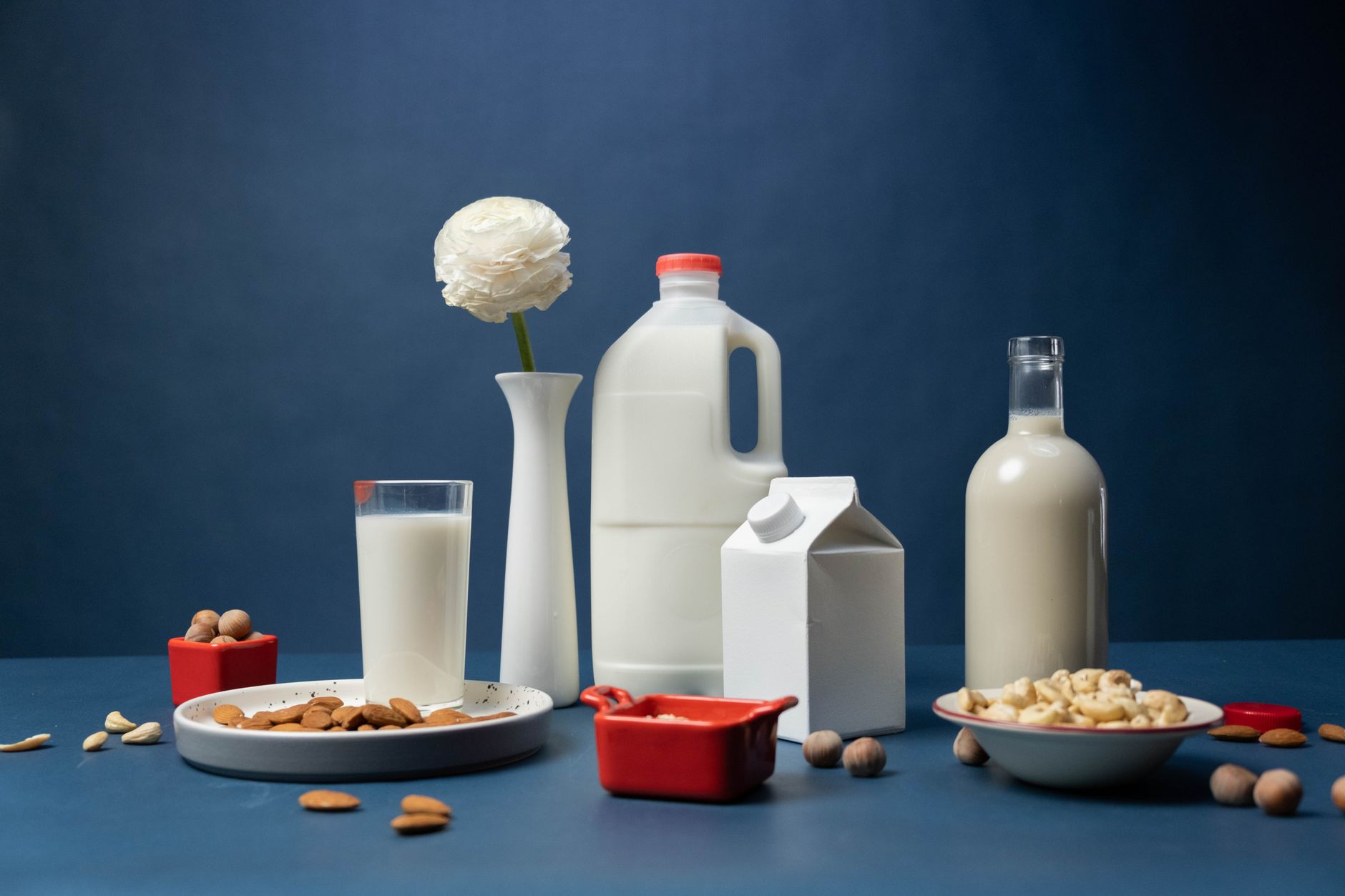
Fortified plant milks are the simplest fix, with three caveats worth knowing. Many organic and most homemade plant milks are not fortified at all. The calcium settles, so the last glass from the carton differs from the first unless you shake it. And the calcium in some plant foods is poorly available — spinach in particular is high in calcium and high in oxalate, which binds it. Kale, bok choy and broccoli are far better absorbed.
Iodine
Easy to miss because nobody thinks about it. Dairy and seafood are the main dietary sources in most countries, and plant milks are rarely fortified with iodine even when they are fortified with everything else. Seaweed covers it, but kelp in particular overshoots badly — this is a nutrient where too much is actively harmful, and a single serving of some kelp products can exceed a safe weekly intake.
Vitamin D
Not strictly a vegan issue — most people are short of it at northern latitudes in winter regardless of diet — but vegans lose the small contribution from oily fish and egg yolks. Vegan-suitable D3 from lichen exists, and D2 works too, though somewhat less efficiently. See the vitamin D article.
What the evidence says about vegan diet outcomes
The consistent positive findings: vegans tend to have lower LDL cholesterol, lower blood pressure, lower BMI, and lower rates of type 2 diabetes and ischaemic heart disease. Those are real and reproducible across large cohorts such as EPIC-Oxford and the Adventist Health Studies.
The honest caveat is that these are observational. People who adopt a vegan diet also smoke less, drink less and exercise more than average, and no statistical adjustment fully removes that. The effect is probably real and probably smaller than the headline numbers suggest.
The consistent negative finding is bone. Several large cohorts report higher fracture rates in vegans, and the effect shrinks substantially in those with adequate calcium and protein intake. That makes it a planning failure rather than an argument against the diet — but it is the clearest signal that the planning is not optional.
Vegan foods that are not automatically healthy
A point that gets lost in the argument about whether the diet works. "Vegan" is a statement about ingredients, not about nutrition. Refined vegan food is refined food: the ultra-processed meat analogs are often high in sodium and saturated fat from coconut oil, and vegan cookies are cookies.
The cohorts that show the good outcomes are dominated by people eating whole plant foods, not by people eating the vegan versions of convenience products. The distinction matters more than the label does.
Where to start
If you are moving to a plant-based diet, four things in order:
- Take B12 from day one. Not when you feel tired — from day one, because the symptoms arrive years after the intake stops.
- Put vitamin C in every iron-containing meal. It is the highest-return habit available and requires no supplement.
- Buy fortified plant milk, and shake the carton. That single purchase covers calcium, usually B12 and often vitamin D.
- Aim protein slightly higher than you would otherwise, and build meals around soy and legumes rather than adding them as a side.
Everything after that is cooking. There is a starting point in the vegan recipes, and the calorie calculator will give you a target to build the day around.