Iron-rich foods: the list, and why what you eat alongside them matters more
Foods high in iron are only half the answer. Two kinds of iron are absorbed at completely different rates, and the rest of the meal decides which rate you get.
August 11, 2026 · 7 min read
Photograph by Heather Brock on Pexels
Iron deficiency is the most common nutritional deficiency in the world, affecting an estimated two billion people. In most of them it is not a story about eating too little iron. It is a story about absorbing too little — and absorption depends on which chemical form the iron takes and on what else happens to be on the plate at the time.
That is why a list of iron-rich foods, on its own, is only half an answer. Two people can eat identical amounts of iron and end up several-fold apart in how much of it reaches their blood.
Heme and non-heme iron: the distinction that decides everything
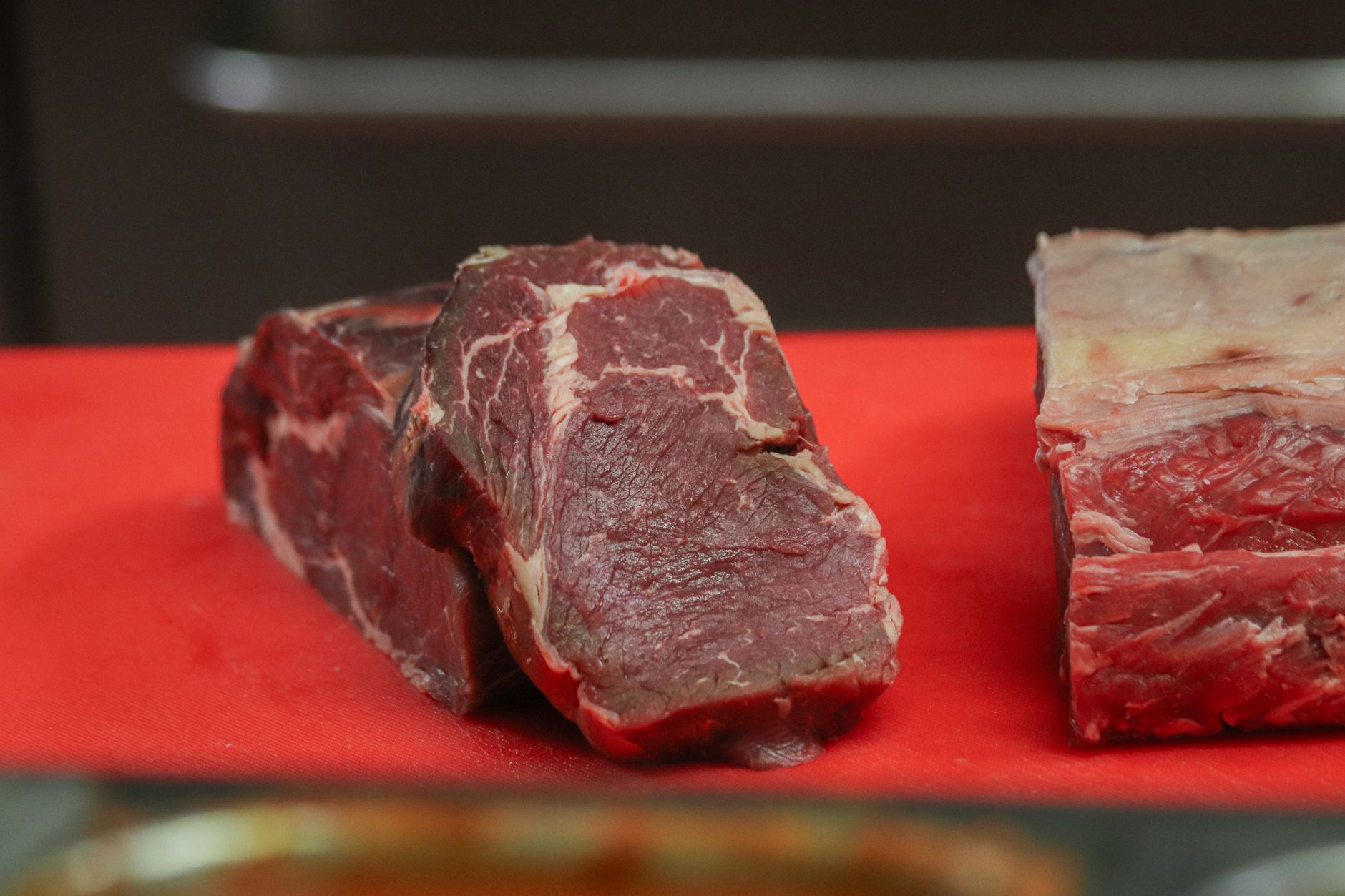
Heme iron comes from the hemoglobin and myoglobin in meat, poultry and fish. It is absorbed at roughly 15 to 35%, and — importantly — almost nothing else in the meal changes that figure. It arrives wrapped in a porphyrin ring that protects it from the compounds that interfere with the other kind.
Non-heme iron comes from plants, eggs, dairy and fortified foods. It is absorbed at roughly 2 to 20%. That tenfold range is not random: where you land inside it is decided almost entirely by what accompanies the meal. This is the form that makes up the great majority of dietary iron for most people, and all of it for anyone not eating meat.
So a spinach salad and a small steak listing the same milligrams on a nutrition panel are not the same meal, and no food label captures the difference.
Foods high in iron
Heme sources
- Liver — by a distance the densest source, and cheap. A serving of beef or lamb liver covers a full day several times over. Not suitable in pregnancy because of its vitamin A content.
- Oysters, clams and mussels — shellfish are extremely high in iron and consistently underrated.
- Beef and lamb — red meat generally, with darker cuts higher.
- Dark poultry meat — thigh and leg contain considerably more than breast.
- Sardines — convenient, cheap, and they bring calcium and omega-3 as well.
Non-heme sources
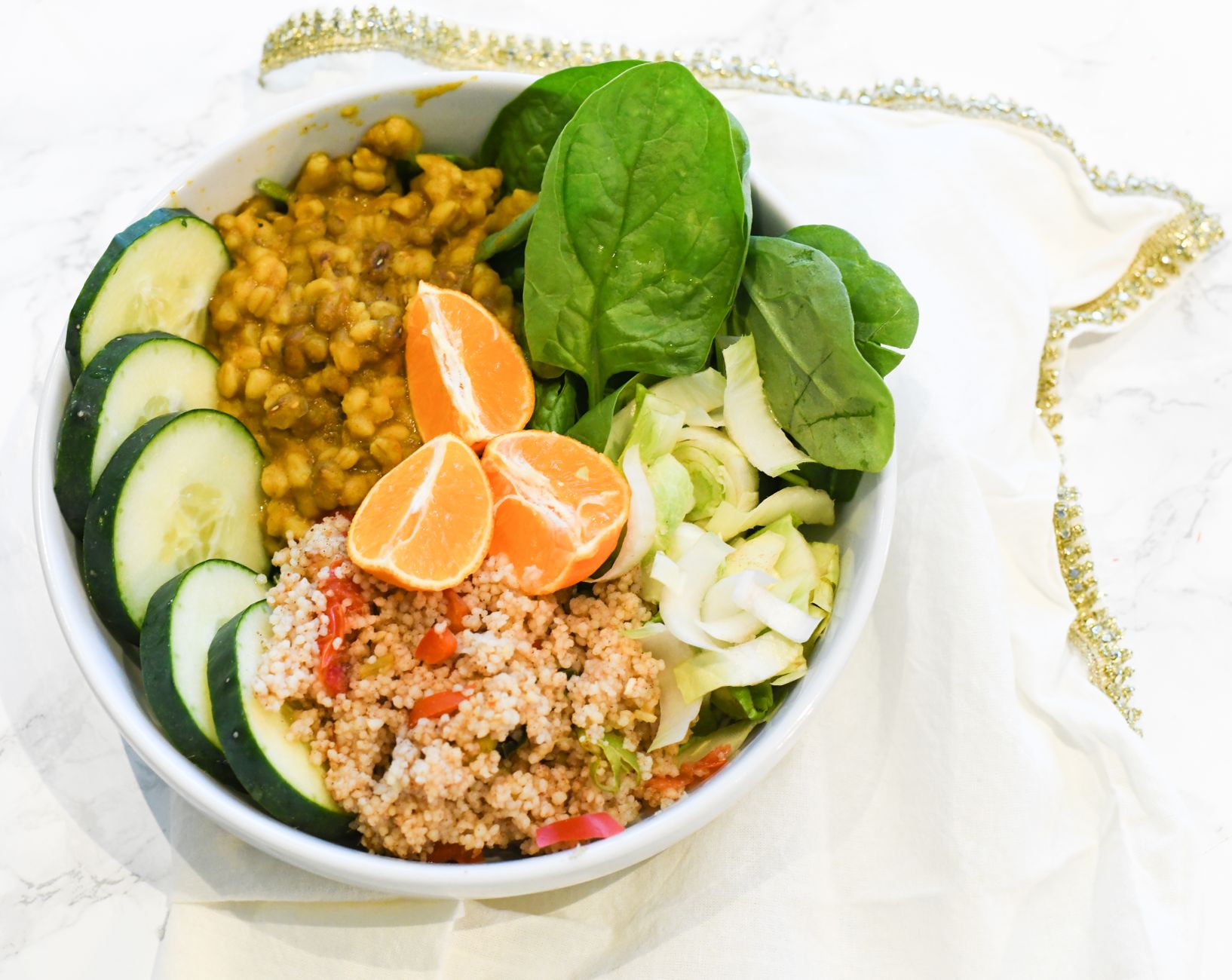
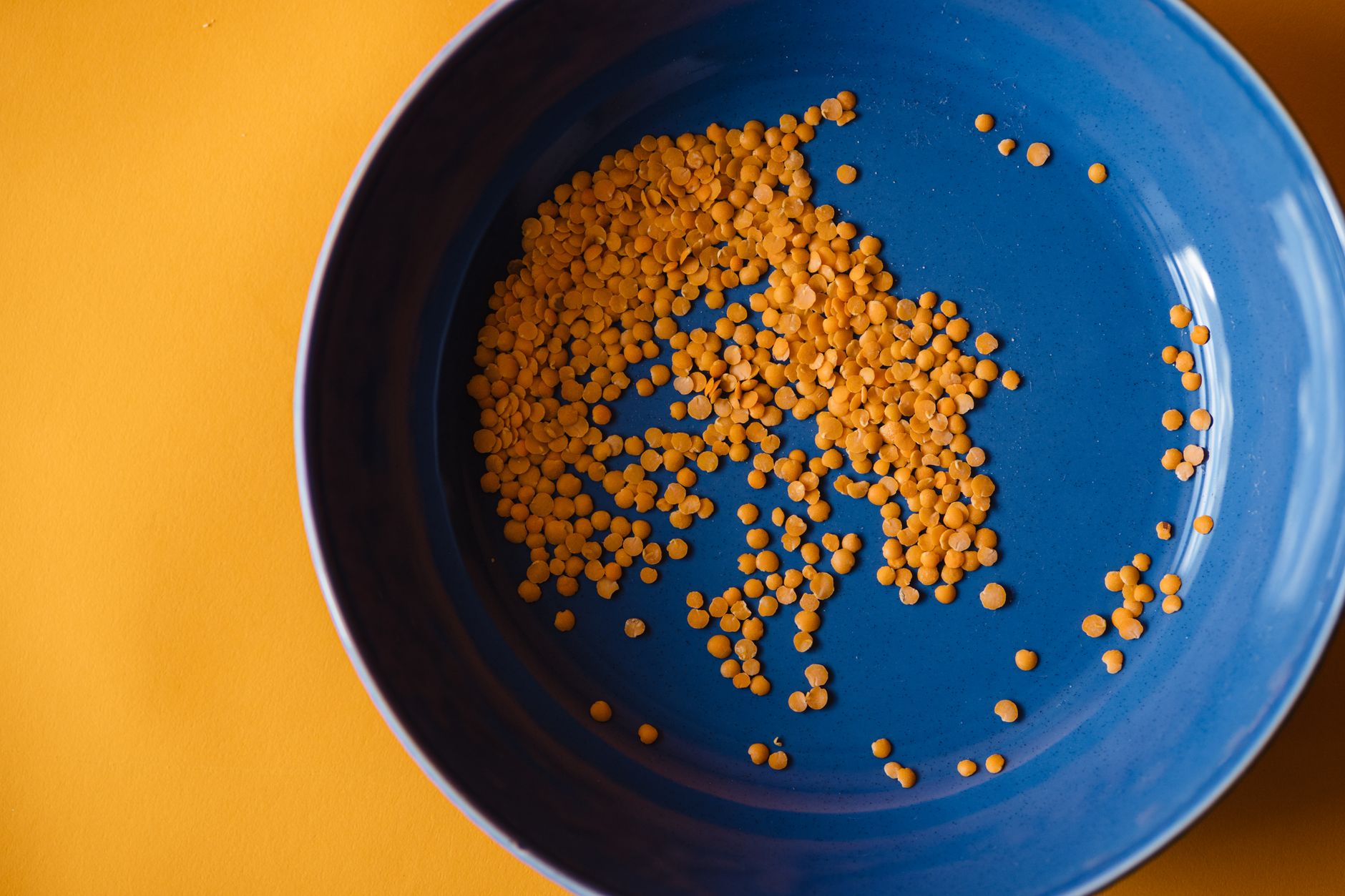
- Lentils — around 6.6 mg per cooked cup, and among the best plant sources there is.
- White beans, kidney beans and chickpeas — comparable, and versatile enough to eat often.
- Tofu — particularly calcium-set tofu, which is high in both minerals.
- Pumpkin seeds and cashews — dense per handful.
- Fortified breakfast cereals — often the single largest contributor in a Western diet, and worth checking the label for.
- Dark chocolate — genuinely a meaningful source at 70% cocoa and above.
- Dried apricots and prunes.
- Dark leafy greens — with the caveat below.
The spinach problem
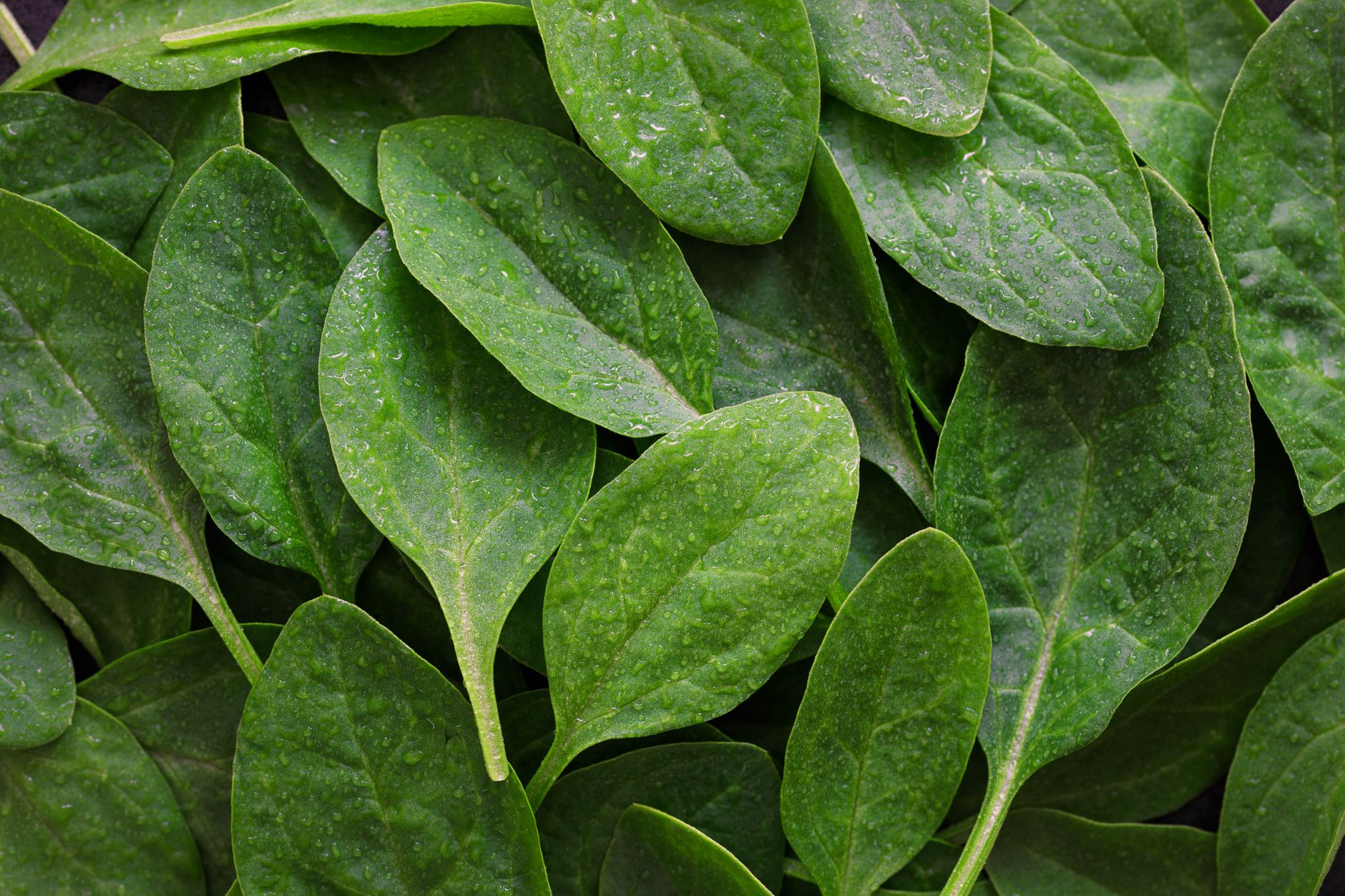
Spinach has a reputation it does not entirely deserve. The iron is genuinely there, but spinach is also very high in oxalate, which binds iron and blocks its absorption. Kale, chard and broccoli are lower in oxalate and better sources in practice, and lentils outperform all of them.
The popular story that a decimal-point error in a nineteenth-century paper created the spinach myth is itself largely a myth, but the underlying point stands: spinach is not the iron food it is imagined to be.
What multiplies iron absorption
- Vitamin C in the same meal. The single biggest lever available. Ascorbic acid reduces ferric iron to the ferrous form and forms a soluble complex with it, and controlled studies show it can multiply non-heme absorption several times over. Lemon over lentils, peppers in the chili, tomatoes in the stew, fruit straight after. It has to be in the same meal — taken hours apart it does nothing.
- The "meat factor". A small amount of meat, poultry or fish improves absorption of the non-heme iron eaten alongside it, through a mechanism that is still not fully explained. A little meat in a largely plant meal punches above its own iron content.
- Cooking in cast iron. A real if modest effect, larger with acidic foods and longer cooking. Tomato sauce simmered in a cast-iron pan measurably gains iron.
What blocks it
- Tea and coffee with the meal. The polyphenols in both — tannins especially — can cut non-heme absorption by more than half. This is one of the most consequential and least known dietary interactions there is. Moving the cup an hour either side of eating costs nothing and recovers most of the loss.
- Calcium. It competes with iron for the same transport pathway, so a large glass of milk or a calcium supplement is better taken away from the iron-heavy meal rather than with it.
- Phytates. Present in whole grains, legumes, nuts and seeds. Soaking, sprouting, fermenting and long-rising sourdough all reduce them substantially, which is part of why traditional preparations of these foods look the way they do.
- Some medications, particularly proton pump inhibitors, which reduce the acid that helps solubilize non-heme iron.
Iron-rich foods for anemia: who is actually at risk
Requirements vary far more between people than most nutrients, so the risk groups are unusually clear-cut.
- Menstruating women, and heavily so with heavy periods. The RDA is roughly 18 mg a day against 8 mg for men — more than double.
- Pregnancy, where the requirement rises to around 27 mg to support expanded blood volume and the fetus.
- Endurance athletes, through foot-strike hemolysis, sweat losses and inflammation-driven suppression of absorption. Distance runners are a notably affected group.
- Regular blood donors.
- Vegetarians and vegans, whose intake is usually adequate and whose stores frequently are not.
- Anyone with celiac disease, inflammatory bowel disease, or a gastrointestinal bleed — in adults, unexplained iron deficiency is investigated as a possible sign of bleeding, and that investigation matters.
Do not supplement on a hunch
This deserves emphasis, because iron is the supplement people most often take on the basis of feeling tired.
Fatigue has a long list of causes and iron deficiency is only one of them. Iron overload is genuinely harmful: the body has no active mechanism for excreting excess iron, and accumulation damages the liver, heart and pancreas. Hereditary hemochromatosis, which causes exactly that accumulation, is one of the more common inherited conditions in people of northern European descent — and supplementing into it is dangerous.
A ferritin test is inexpensive and it is the only thing that separates "I need iron" from "I need sleep". Supplement on a result, not on a hunch, and if the result is low, ask why rather than only treating the number.
Taking iron supplements properly, if you need them
If a test says you need them, a few practical points make a real difference. Every-other-day dosing appears to be absorbed better than daily dosing, because a large dose raises hepcidin — the hormone that suppresses iron absorption — for roughly 24 hours afterward. Take them away from tea, coffee, dairy and calcium supplements, ideally with a source of vitamin C. Constipation is the usual reason people stop; a lower dose taken less often is generally better tolerated and, on current evidence, absorbed no worse.
Repletion of stores takes months rather than weeks, so a follow-up test matters as much as the first one.