Vitamin D deficiency: symptoms, who is at risk, and what supplementing actually fixes
Vitamin D deficiency is common and worth correcting. The list of things supplementation has been shown to prevent is far shorter than the list it is sold for.
August 6, 2026 · 7 min read

Vitamin D is unusual among vitamins: it is one you mostly do not eat. Skin synthesizes it from UVB radiation, and food is a minor contributor for most people in most places. That single fact explains the entire geography and seasonality of vitamin D deficiency, and it explains why the food list further down this article is so short.
It is also, strictly speaking, not a vitamin at all but a prohormone. The form made in skin or absorbed from food is converted in the liver to 25-hydroxyvitamin D — the form measured in a blood test — and then in the kidney to the active hormone calcitriol, which acts on receptors found in most tissues in the body. That ubiquity is why vitamin D has been investigated for almost every disease there is, and it is also why the results have so often disappointed.

Who is at risk of vitamin D deficiency
- Anyone living above roughly 37 degrees latitude, in winter. UVB is too weak for months at a time — the skin simply cannot make vitamin D, however bright and cold the day looks. This covers most of Europe, Canada, and the northern United States.
- People with darker skin. Melanin is highly effective UV protection, which means substantially longer exposure is needed for the same synthesis. This is a major driver of the deficiency prevalence differences seen between ethnic groups at the same latitude.
- Older adults. Skin synthesis falls markedly with age — a 70-year-old produces a fraction of what a 20-year-old does from identical exposure — and time spent outdoors usually falls with it.
- People who cover up for cultural or medical reasons, work indoors, or are housebound.
- Obesity. Vitamin D is fat-soluble and is sequestered in adipose tissue, which lowers circulating levels for the same intake. Higher doses are often needed to reach the same blood level.
- Malabsorption — celiac disease, Crohn's, cystic fibrosis, and after bariatric surgery.
- Certain medications, including some anticonvulsants and glucocorticoids, which accelerate its breakdown.
- Exclusively breastfed infants, which is why supplementation is routinely recommended for them in many countries.
Vitamin D deficiency symptoms
Mild deficiency is usually silent, which is the central practical problem: there is nothing to notice until it is well established. When symptoms do appear they are frustratingly non-specific:
- Fatigue and general low energy.
- Bone pain and aching, often in the lower back, hips, pelvis or ribs.
- Muscle weakness, particularly in the thighs and upper arms — difficulty rising from a chair or climbing stairs is a classic presentation.
- Muscle aches and cramps.
- Low mood, though the causal direction here is much less clear than it is usually presented.
- Frequent infections, again with weak causal evidence.
Severe, prolonged deficiency causes rickets in children — soft, deforming bones — and osteomalacia in adults, where the bone matrix fails to mineralize properly and becomes painful and fragile. These are not historical curiosities; both still occur.
The problem with that symptom list is that almost everything on it has many other causes. Fatigue is not a diagnosis. If you are in a risk group and symptomatic, the answer is a blood test rather than an assumption.
Food sources, such as they are
Oily fish is the only substantial natural source: salmon, mackerel, sardines, herring, trout. Wild salmon typically contains considerably more than farmed. Cod liver oil is extremely high, though also high in vitamin A, which sets a ceiling on how much is sensible.
Beyond that: egg yolks contribute a little, and more if the hens were pastured. Liver contributes a little. Mushrooms exposed to UV light contain vitamin D2, and some producers deliberately UV-treat them — a genuinely useful option for vegans, though D2 is somewhat less effective at raising blood levels than D3.
Everything else is fortification, and what is fortified varies enormously by country: milk and plant milks, some breakfast cereals, margarine, orange juice. Reaching an adequate intake from food alone, without eating oily fish several times a week, is difficult for most people.

What supplementation is actually shown to do
Well supported
Correcting a genuine deficiency prevents rickets and osteomalacia. That is not a small claim — it is the entire reason vitamin D status is worth measuring. In older adults with low levels, vitamin D combined with calcium reduces fracture risk, and there is reasonable evidence for a reduction in falls.
Not supported by the large trials
Supplementing people who already have adequate levels has repeatedly failed to deliver on the wider promises. The large randomized trials of the last decade — VITAL with over 25,000 participants, D-Health, and others — found no significant reduction in cardiovascular events, cancer incidence or overall mortality. Trials in type 2 diabetes prevention have been similarly disappointing. The respiratory infection story is more mixed, with some meta-analyses finding a small benefit concentrated in those who were deficient to begin with.
Why the observational picture and the trials disagree
This gap is worth understanding, because the same pattern recurs across nutrition. Low vitamin D is strongly associated with poor health outcomes in observational studies. But a great deal of that appears to be low vitamin D acting as a marker rather than a cause — of being indoors, unwell, inactive, obese or old. People who are sick go outside less. Inflammation itself lowers measured vitamin D.
Randomized trials break that confounding, and when they did, most of the association evaporated. That is not a reason to ignore vitamin D. It is a reason to treat "correct a deficiency" and "supplement everybody" as entirely different propositions.
Doses, blood levels and the ceiling
Guidelines differ, which is itself informative about how uncertain the optimum is. Most place adequacy somewhere between 20 and 30 ng/mL (50 to 75 nmol/L), with deficiency below 20 and severe deficiency below 12.
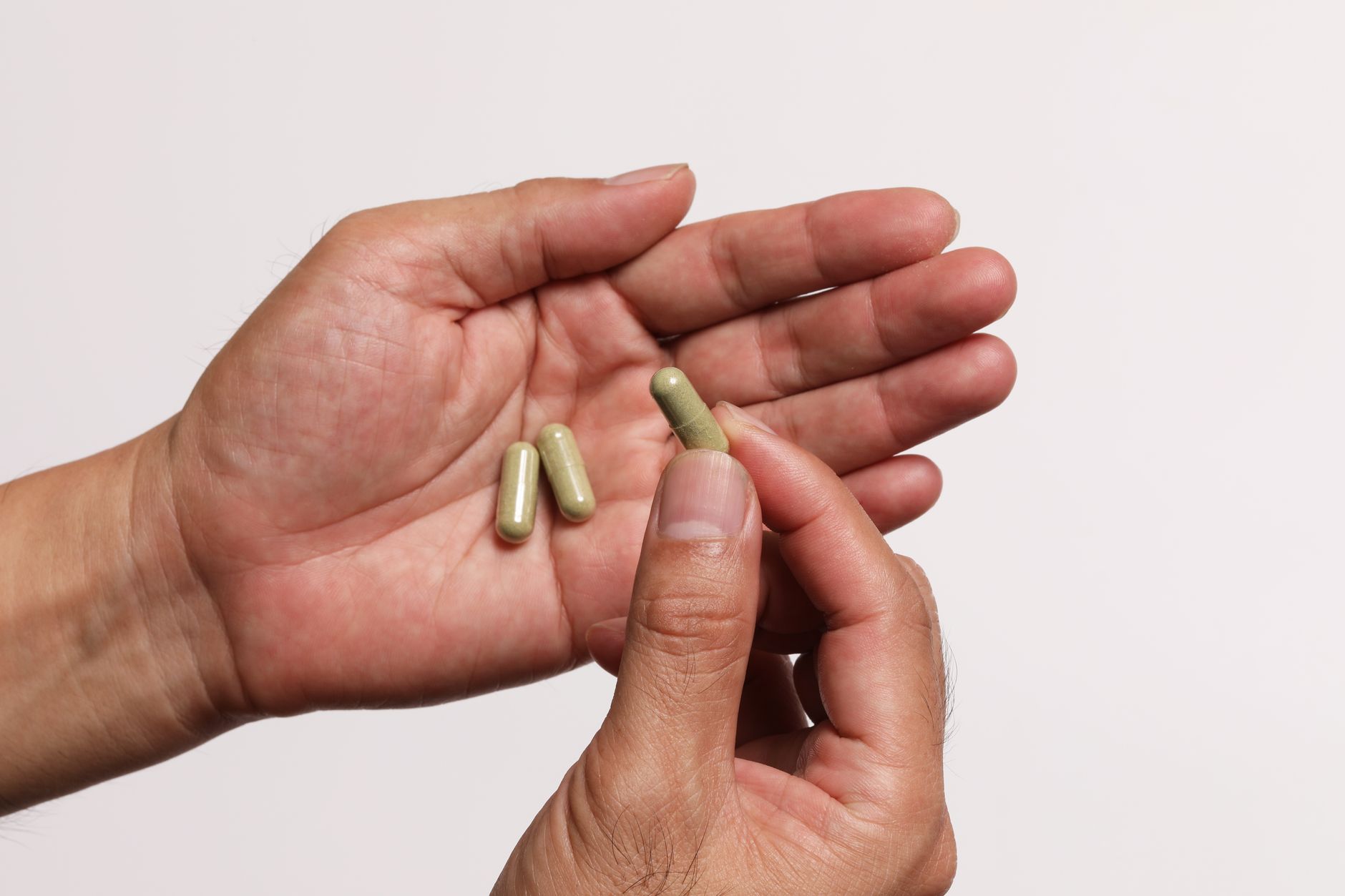
Typical maintenance doses run between 400 and 2,000 IU daily depending on the guideline, the latitude and the person. Treating an established deficiency usually involves a higher loading dose under medical direction.
More is not better, and vitamin D is one of the few supplements where that statement has teeth. It is fat-soluble and stored, and genuine toxicity — hypercalcaemia, kidney stones, kidney damage, calcification of soft tissue — occurs with sustained very high intakes, essentially always from supplements rather than from sun or food. Very large intermittent doses have also performed poorly in trials, and in at least two fall-prevention studies annual mega-doses increased falls rather than reducing them.
D3 (cholecalciferol) raises blood levels somewhat more effectively than D2 (ergocalciferol) and is the sensible default. Vegan D3 derived from lichen exists for those who need it.
The reasonable position
If you live at a northern latitude, have darker skin, are older, or spend little time outside, a modest daily supplement through the winter months is cheap, safe and sensible — several national guidelines now say exactly that, and it requires no test to justify.
If you have symptoms, or a condition affecting absorption, test rather than guess: the dose to correct a real deficiency is different from a maintenance dose, and the follow-up matters.
And treat any claim that vitamin D prevents a particular disease in someone who already has enough as unproven, because that is precisely what the large trials went looking for and did not find.