Keto flu: the symptoms, how long it lasts, and the salt that fixes it
Keto flu is mostly sodium and water, not detox — which is why the headache and fatigue of the first week respond to salt rather than to waiting it out.
September 13, 2026 · 6 min read

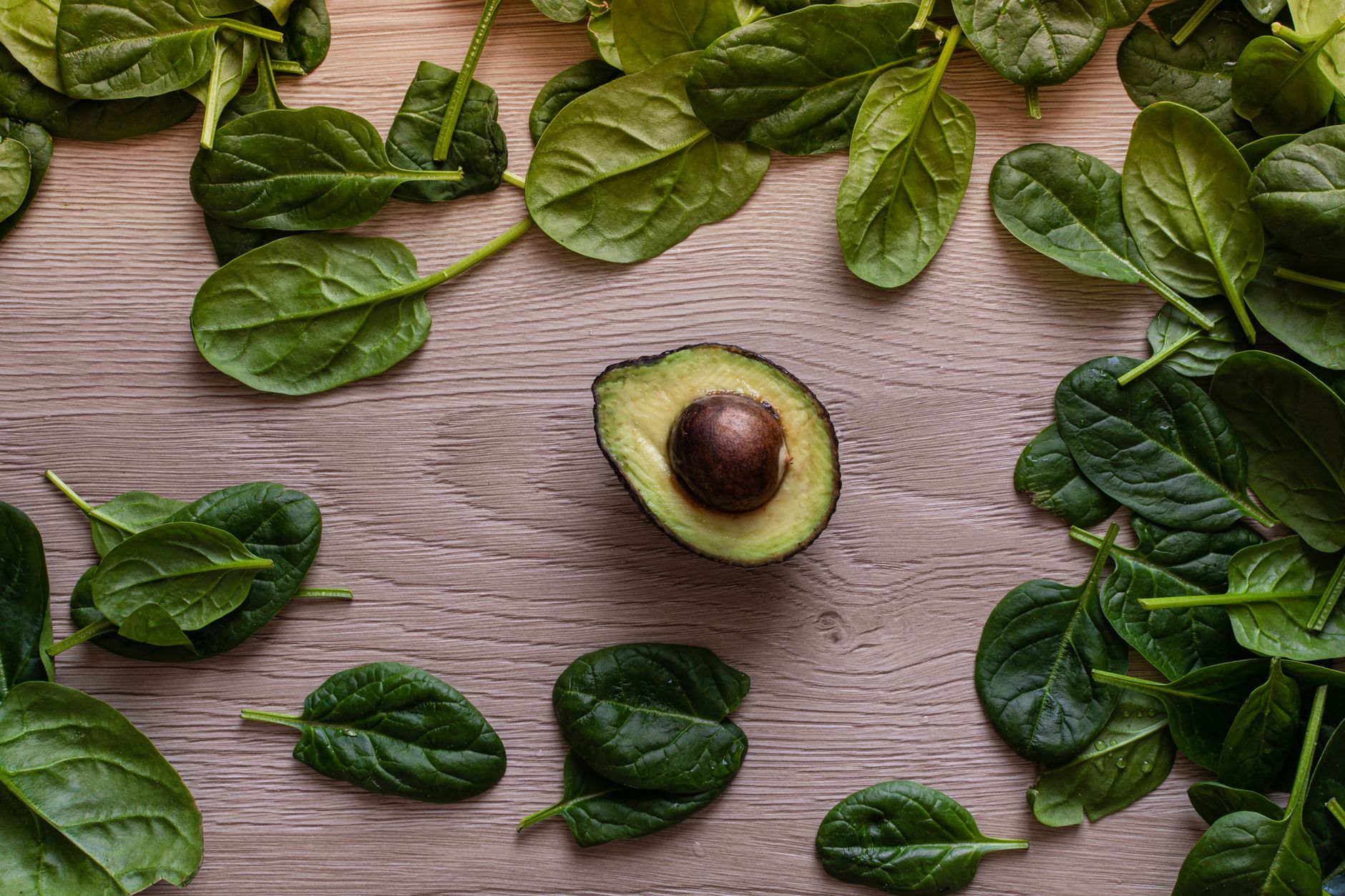
Photograph by Los Muertos Crew on Pexels
In the first few days of a ketogenic diet most people feel distinctly worse before they feel better: headache, fatigue, irritability, light-headedness on standing, brain fog, and cramp at night. It is common enough to have earned a nickname, and it is the single most frequent reason people abandon the diet in the first week.
The nickname is misleading in one important way. This is not an illness, and it is not — despite what a great deal of the internet says — the body "detoxing". It is a fairly simple electrolyte and fluid shift, and knowing that turns it from something to endure into something to fix.
Keto flu symptoms
- Headache, usually dull and persistent rather than sharp. Often the first symptom and the last to go.
- Fatigue and weakness, out of proportion to what you have done.
- Light-headedness on standing — orthostatic dizziness, and the most diagnostic symptom on this list.
- Brain fog and difficulty concentrating.
- Irritability.
- Muscle cramps, classically in the calves at night.
- Constipation, from the drop in fiber and fluid together.
- Poor sleep, particularly waking in the small hours.
- Sugar cravings, which are real and which fade.

What causes keto flu
Cutting carbohydrate sharply lowers insulin. Lower insulin signals the kidneys to excrete sodium rather than retain it — an effect known as natriuresis — and water follows the sodium out. On top of that, each gram of stored glycogen is bound to roughly three grams of water, and depleting glycogen releases all of it.
The result is a rapid loss of fluid and sodium: often several pounds in the first week, which people cheerfully interpret as fat loss, alongside a mild hypovolaemia that produces exactly the symptom list above. The headache, the dizziness on standing and the cramps are all downstream of the same thing.
This also explains why the popular explanations are wrong. There is nothing to detox from — carbohydrate is not a toxin — and the brain's transition to using ketones is a gradual adaptation over weeks, not a crisis over days.
What actually helps
Sodium, and considerably more of it
This is the intervention, and it runs directly against the dietary advice most people have absorbed. On a ketogenic diet the requirement genuinely rises, and the commonly cited figure is 3 to 5 grams of sodium a day — well above what most guidelines recommend for the general population, because the general population is not excreting it at this rate.
In practice: salt food properly rather than sparingly, and drink a cup of stock or bouillon when symptoms hit. A salted broth frequently clears a keto headache within the hour, which is a useful diagnostic in itself — if it works, the diagnosis was right.
Potassium and magnesium
Both are lost alongside sodium, and both contribute to the cramps. Food sources first: avocado, leafy greens, nuts and seeds are all compatible with the diet and all useful here. Magnesium supplements help with the night cramps specifically; magnesium citrate or glycinate are better tolerated than the oxide form, which mostly produces a laxative effect.
Fluid, but not fluid alone
Drinking more water without replacing sodium can make things worse rather than better, by diluting what sodium remains. Fluid and salt together, not fluid on its own.
Do not stack it on a hard training week
The transition and a heavy training block are each demanding. Doing both at once produces two weeks that feel like illness, and it is the most avoidable version of this.

How long does keto flu last
Typically two to five days. For some people it stretches to a couple of weeks, particularly those coming from a very high-carbohydrate diet or restricting sodium at the same time.
The pattern matters more than the duration. Symptoms that improve steadily, and improve noticeably when you take salt, are the expected course. Symptoms that get progressively worse over more than two weeks are not keto flu and are worth a doctor's opinion.
When it is not keto flu
This is the part of the article that matters most, because "keto flu" is a convenient label that can absorb symptoms that deserve attention.
- If you take blood pressure medication, the diet's natriuretic effect adds to the drug's. Dizziness may be genuine hypotension needing a dose change, not an electrolyte dip.
- If you take insulin or a sulfonylurea, removing carbohydrate without adjusting the dose risks hypoglycaemia — which presents as shakiness, sweating and confusion, and is an emergency rather than an inconvenience.
- Vomiting, abdominal pain and rapid breathing are not keto flu. In anyone with diabetes those are the signs of ketoacidosis, which is a different and dangerous state from nutritional ketosis.
- Palpitations that persist warrant checking rather than more salt.
Nutritional ketosis and diabetic ketoacidosis are frequently confused because they share a word. In nutritional ketosis, ketone levels sit somewhere under about 3 mmol/L and insulin remains sufficient to keep the process regulated. In ketoacidosis, insulin is effectively absent, ketone production runs away, and blood pH falls. A healthy person on a ketogenic diet does not develop ketoacidosis; a person with type 1 diabetes can.
Reducing it before it starts
The transition does not have to be abrupt. Tapering carbohydrate over a week or two rather than dropping from 250 grams to 25 overnight gives the kidneys time to adjust and substantially blunts the effect. Starting the extra sodium a day or two before the carbohydrate comes down works better still.
It is also worth knowing what you are signing up for before the first bad morning. What the ketogenic diet actually is covers the threshold, the evidence and the longer-term considerations, and there are keto recipes for the week when cooking feels like too much.