Avocado calories: how many are in one, and whether it matters
Avocado calories surprise people: a medium Hass is around 240. Whether that number is a problem depends entirely on what the avocado replaced.
August 26, 2026 · 4 min read
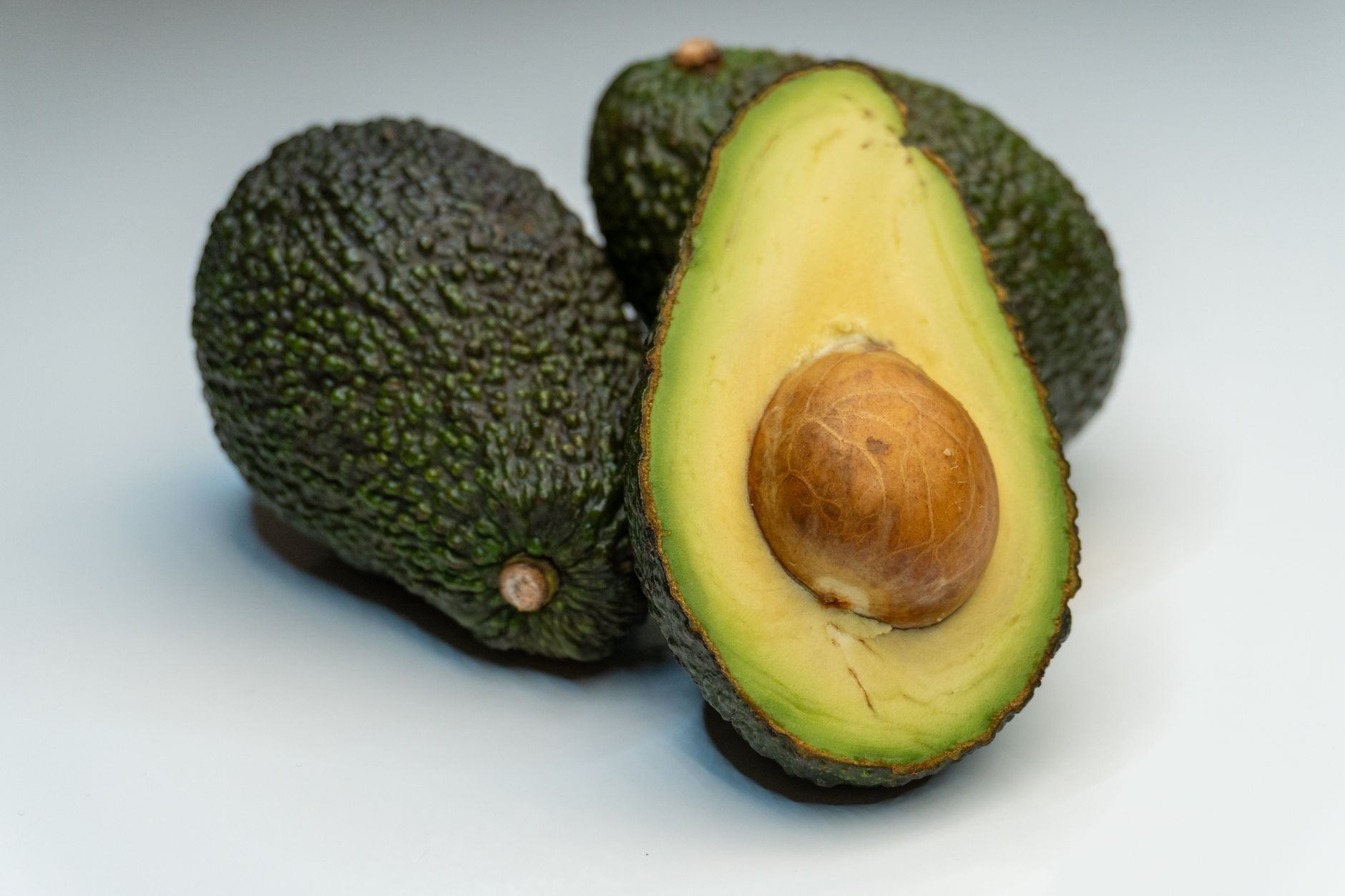
A medium Hass avocado — about 150 grams of flesh, the amount you get from one supermarket fruit — contains roughly 240 calories. That number surprises people, and it is the reason this page exists.
Per 100 grams an avocado is around 160 calories, which puts it far above every other common fruit and close to some soft cheeses. A banana of similar weight is around 90. So the surprise is legitimate: avocado does not behave like fruit nutritionally, because it is a fruit that stores energy as fat rather than as sugar.
Avocado calories by portion
- Whole medium Hass (150 g flesh) — about 240 kcal.
- Half a medium avocado — about 120 kcal.
- A quarter — about 60 kcal.
- One large Florida avocado — closer to 365 kcal, though it is lower in fat per gram and higher in water.
- Two tablespoons of guacamole — about 50 kcal, before whatever it is scooped with.
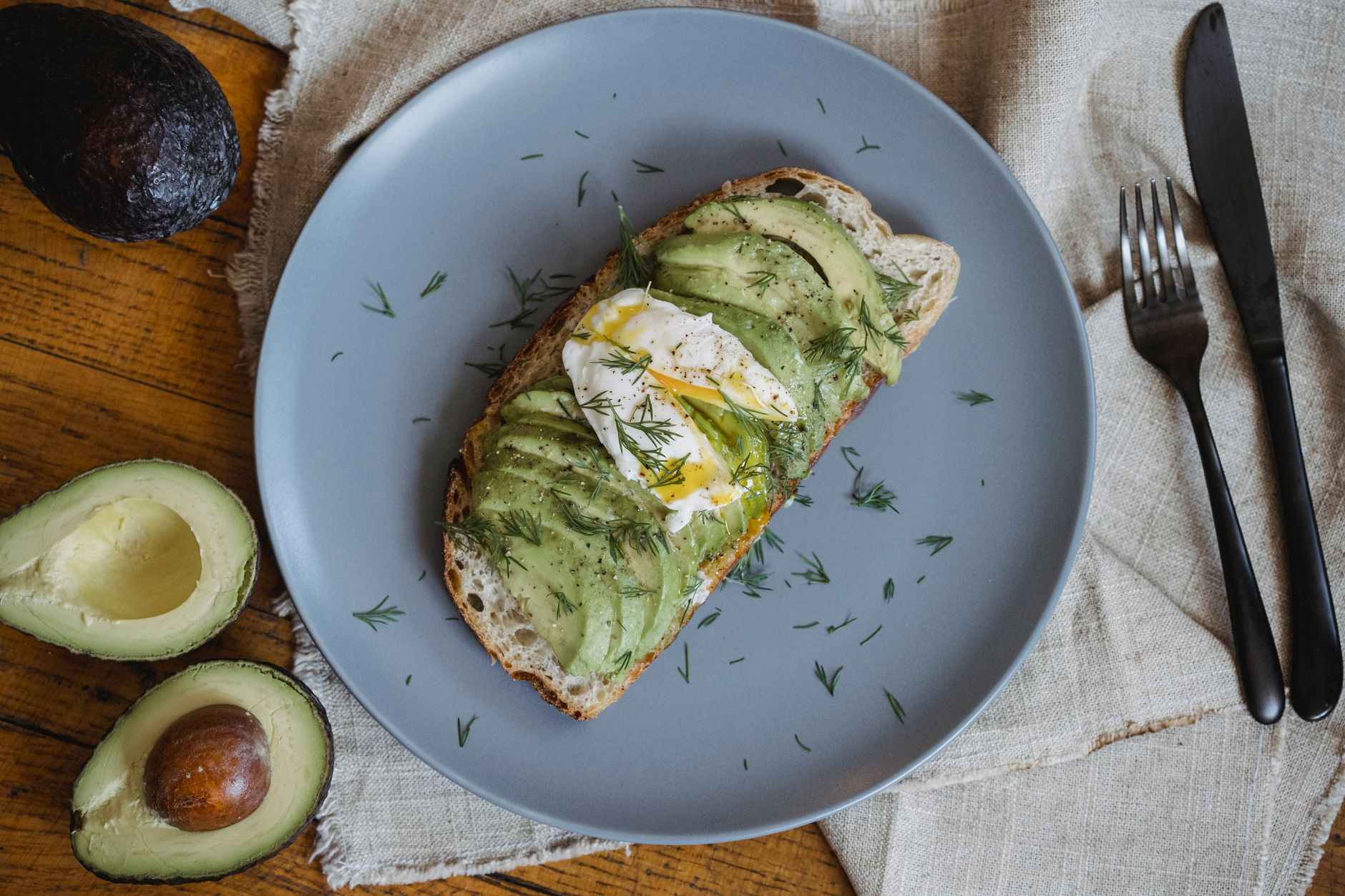
- Avocado on toast, one slice of sourdough with half an avocado — about 220 kcal.
- A restaurant portion of avocado toast, which is usually a whole avocado on thick bread with oil — frequently 500 kcal or more.
That last line is the practically important one. The gap between what people picture and what arrives is large, and it is mostly bread and oil rather than avocado.
What is in the calories in an avocado
A medium Hass avocado contains roughly:
- 22 g of fat, of which about 15 g is monounsaturated — the same fat that dominates olive oil.
- 12 g of carbohydrate, of which 9 g is fiber. That leaves around 3 g of net carbohydrate, which is why avocado is one of the few fruits compatible with a ketogenic diet.
- 3 g of protein.
- Around 700 mg of potassium — more than a banana, contrary to the more famous fruit's reputation.
- Meaningful folate, vitamin K and vitamin E.
The fiber figure deserves attention: 9 grams is a third of a typical daily target from a single fruit, and it is a large part of why avocado is filling despite being energy-dense.
Why the calorie number alone is misleading
In studies where avocado replaces refined carbohydrate, satiety increases and blood lipids improve. In studies where avocado is simply added to an unchanged diet, the calories are additional and behave like any other calories.
That is the whole story, and it generalizes well beyond avocados. The question with any energy-dense healthy food is never "is this good for me" — it is "what is it replacing". An avocado instead of the cheese in a sandwich is a straightforwardly good swap. An avocado on top of a sandwich you were going to eat anyway is 240 calories you were not going to eat.

Do you absorb all of it?
Probably slightly less than the label says, though the effect is smaller than for whole nuts. More interesting is what avocado does for the absorption of other things: the carotenoids in salad — lutein, beta-carotene, lycopene — are fat-soluble, and studies adding avocado to a salad show substantially increased absorption of them.
So an avocado in a salad is doing nutritional work beyond its own contents, which is a genuine argument for it that has nothing to do with its calorie count.
Ripeness, storage and the practical problems
Avocados ripen only after picking, which is why they arrive rock hard and turn overnight. To speed it up, keep them in a paper bag with a banana — the ethylene the banana releases accelerates the process. To slow it down, refrigerate once ripe, which buys several days.
The browning is oxidation of phenolic compounds, and it is cosmetic rather than spoilage. Lemon juice slows it by lowering pH; leaving the pit in does nothing except shield the flesh underneath it from air, which is why that trick appears to work.
The honest summary
None of this makes avocado a food to avoid. It makes it a food to count, which is a different instruction and a much less popular one.
If you are tracking intake, half an avocado is a more realistic default portion than a whole one, and the calorie calculator will tell you what proportion of your day that represents. If you are not tracking, the useful rule is the substitution one: put it in place of something, not on top of it.
For where its fat sits among the others, see healthy fats.