Are all calories equal? Yes for weight, and no for almost everything else
Are all calories equal? For body weight, yes — a calorie is a unit of energy. For satiety, digestion and health, the source changes the outcome considerably.
September 1, 2026 · 5 min read

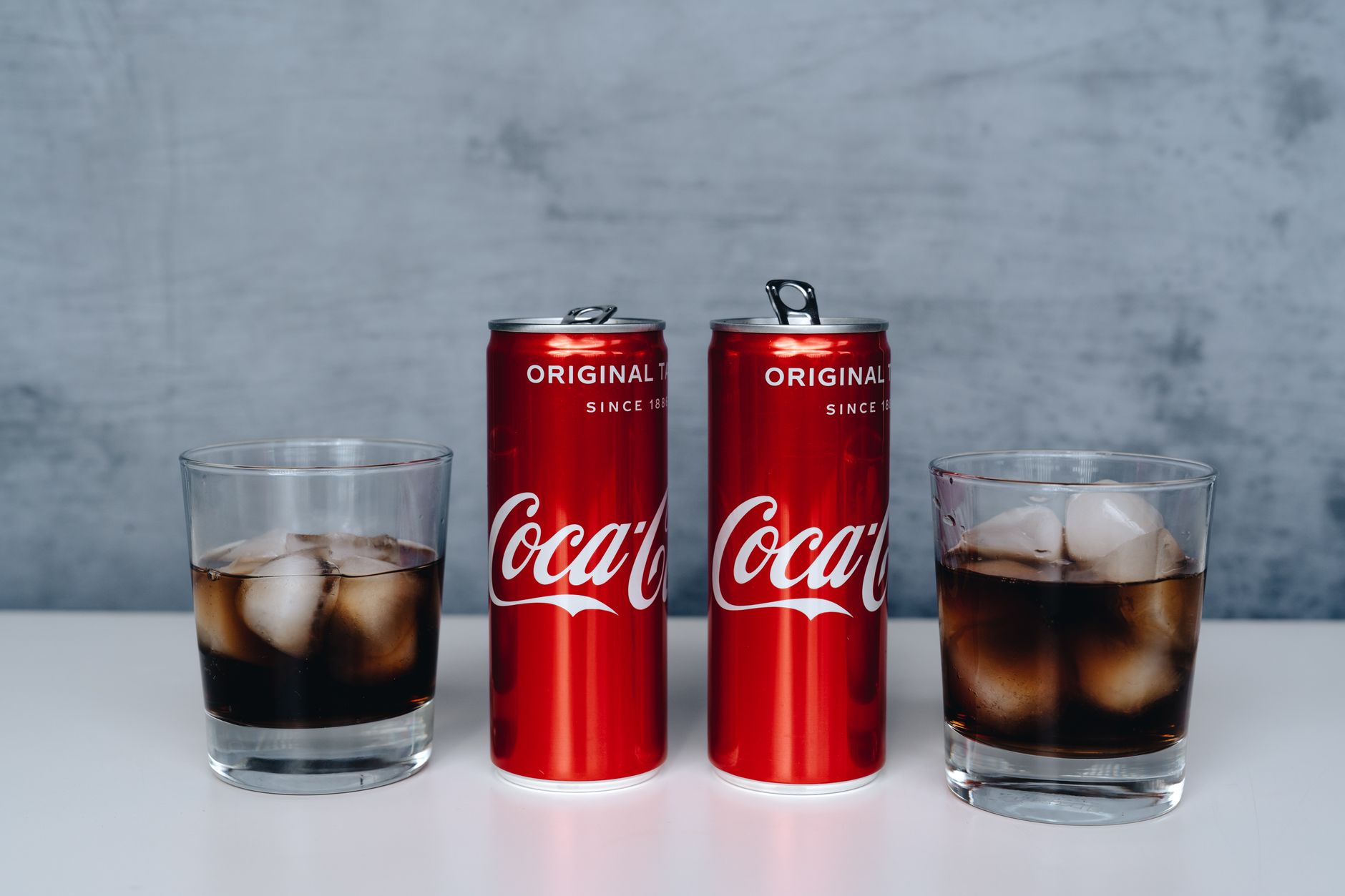
Photograph by Tarek Shahin on Pexels
The slogan cuts both ways and both camps are half right, which is why the argument never resolves.
For body weight, energy balance is what matters, and 500 calories of olive oil and 500 calories of soda contain the same energy. A calorie is a unit — it is defined as the energy needed to raise a gram of water by one degree, and it has no opinion about where it came from.
For almost everything else about those 500 calories, the source is decisive. Satiety, the thermic cost of digestion, blood lipids, dental health, micronutrients, and how much you eat at the next meal all differ enormously.
So the useful question is not whether all calories are equal. It is: equal for what?
All calories are equal for weight, and the evidence is unusually strong
This has been tested about as well as nutrition questions get tested. In metabolic ward studies — where participants live in a facility and every gram of intake is controlled — varying macronutrient ratios while holding calories constant produces very similar changes in body fat. Kevin Hall's work at the NIH has run several of these, including direct comparisons of low-fat against low-carbohydrate diets at matched calories, and the differences are small.
The claim that a low-carbohydrate diet produces a large metabolic advantage — hundreds of extra calories burned per day — has not survived controlled testing. Where an effect is found at all, it is in the range of tens of calories, which is a rounding error against a single snack.
That finding is why "eat less" remains the honest core of every weight-loss method, however it is packaged.
Three ways calories are not equal after all
Satiety, which changes what you eat next
This is the largest and most practical difference. Protein and fiber suppress appetite far more per calorie than refined carbohydrate and fat do. The classic satiety index work ranked boiled potatoes as the most filling food tested per calorie, and croissants near the bottom — a spread of several-fold for the same energy.
The mechanism is not exotic: protein triggers gut hormones that signal fullness, fiber and water add volume that stretches the stomach, and both slow gastric emptying. The consequence is that food choice changes energy balance indirectly but genuinely, by changing how much you subsequently eat.
Liquid calories are the sharpest example. A 300-calorie soft drink barely reduces what you eat afterward; 300 calories of chicken and vegetables substantially does. Same energy in, quite different energy balance by the end of the day.
The thermic effect of food
Digestion is not free, and its cost varies by macronutrient. Protein costs roughly 20 to 30% of its own energy to process, carbohydrate around 5 to 10%, and fat around 0 to 3%.
So 100 calories of protein nets you around 75; 100 calories of fat nets you around 98. Across a whole diet the difference is real but modest — perhaps 80 to 120 calories a day between a high-protein and a low-protein diet of the same size. It is one of the reasons high-protein diets outperform at matched calories, alongside the satiety effect and muscle retention.
Everything that is not body weight
Two diets can be identical in calories and produce quite different blood lipids, blood pressure, glycaemic response, dental health and micronutrient status. A person losing weight on a diet of nothing but sugar would get lighter and would not get healthier, and the well-known professor who ate mostly convenience store snacks for ten weeks and lost weight demonstrated exactly that — a point about weight, not about health, which is how it was almost universally misread.

Where the calorie label itself is imprecise
Worth knowing, because it undermines an over-literal reading of tracking apps in both directions.
- Atwater factors are averages. The 4/4/9 values for protein, carbohydrate and fat were derived over a century ago and applied uniformly. They are approximations.
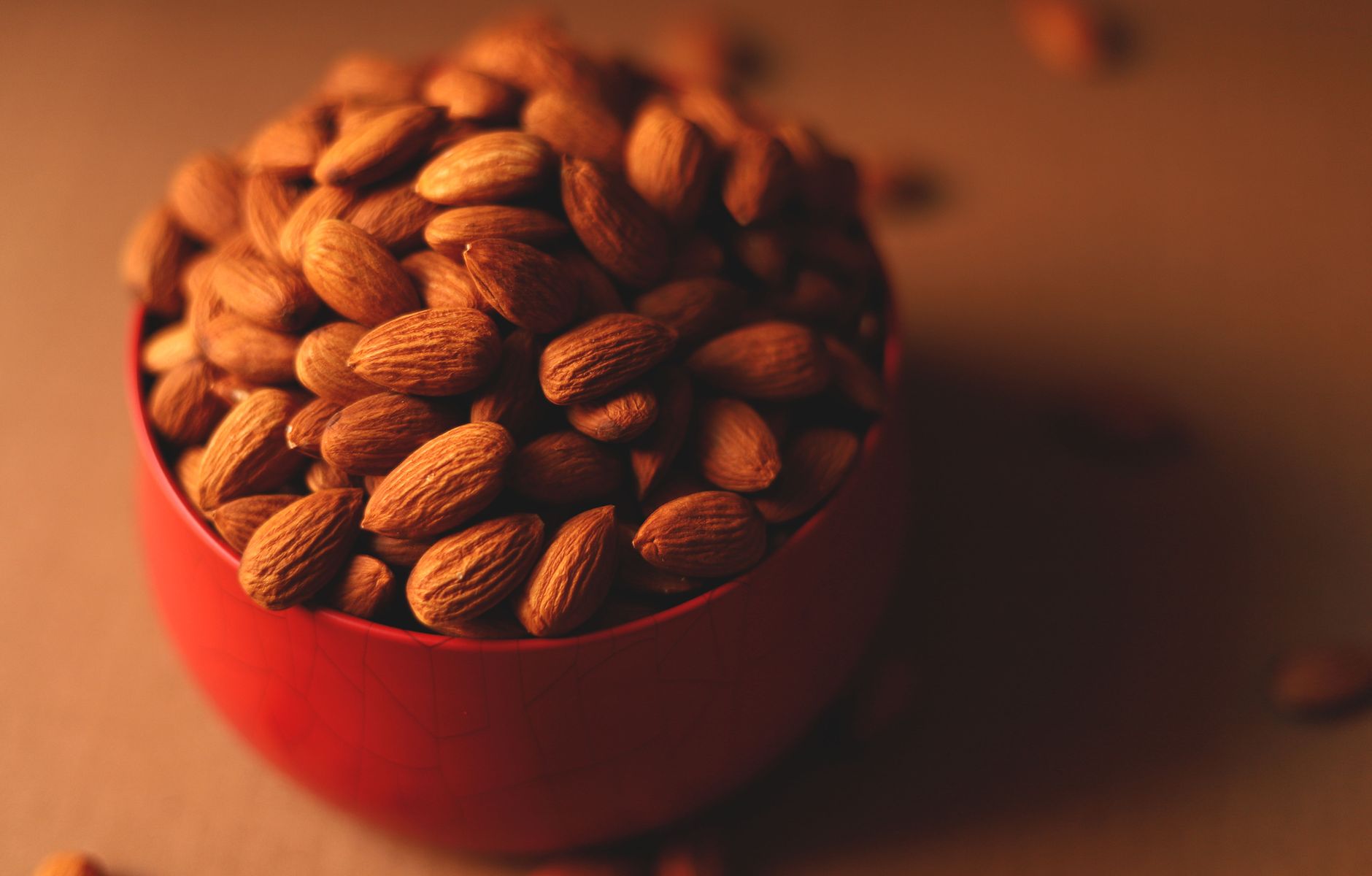
- Whole nuts deliver fewer calories than the label says. Some of the fat remains locked inside intact cell walls and passes through undigested — measured shortfalls of 20 to 30% for almonds. Nut butter, being ground, does not have this property.
- Fiber is partly fermented into short-chain fatty acids the body can use, so it is not entirely calorie-free.
- Cooking changes availability. Cooked starch and cooked protein are meaningfully more digestible than raw, so identical ingredients prepared differently do not deliver identical energy.
- Food labels carry a permitted margin of error, commonly around 20% in several jurisdictions.
None of this makes calorie counting useless. It makes precision beyond about 10% illusory, which is an argument for using the number as a starting estimate to adjust from — the approach described in the calorie deficit article.
The useful conclusion
Count calories if it helps you eat less; many people find it does, and the act of measuring corrects the systematic under-estimation described above.
But choosing food that makes a deficit tolerable is doing the same job with less effort and more durability. That is why protein and fiber come up so often on this site, and why which fats you eat matters even though fat is fat as far as the arithmetic is concerned.
Both sides of the slogan are true. The mistake is using one of them to dismiss the other.