How much water should I drink a day? The evidence behind the eight-glasses rule
How much water should you drink a day? Not eight glasses — that figure has no clear origin, and thirst tracks your actual requirement better than any fixed number.
August 23, 2026 · 5 min read
Photograph by Alexey Demidov on Pexels
Eight glasses a day. It is one of the most repeated pieces of health advice in existence, it appears in no dietary guideline, and its origin is a 1945 recommendation from the US Food and Nutrition Board whose very next sentence — that most of this quantity is already present in prepared foods — is almost never quoted alongside it.
So the honest answer to how much water you should drink a day is: it depends, and thirst is a better guide than any fixed number.
How much water should I drink a day: the figures that exist
Health authorities generally suggest a total water intake of roughly 2.7 liters (about 11 1/2 cups) a day for women and 3.7 liters (about 15 1/2 cups) for men. Two things about those numbers matter more than the numbers themselves.
First, they are total water from all sources, and food supplies roughly a fifth of it — more if you eat a lot of fruit, vegetables and soup. Second, they are population averages derived from what healthy people already consume, not thresholds anyone must reach.
The water intake calculator works from body weight, exercise and climate, which is a better starting estimate than a flat number — while still being an estimate.
What counts toward it
Everything you drink. This includes tea and coffee, and the belief that they do not count is one of the more durable myths in the area.
Caffeine does have a mild diuretic effect, and it is smaller than the fluid the drink contains — a cup of coffee is a net fluid gain. Controlled studies comparing coffee against water in habitual drinkers find no meaningful difference in hydration status. Milk, juice and soft drinks all count too, whatever else you think of them.
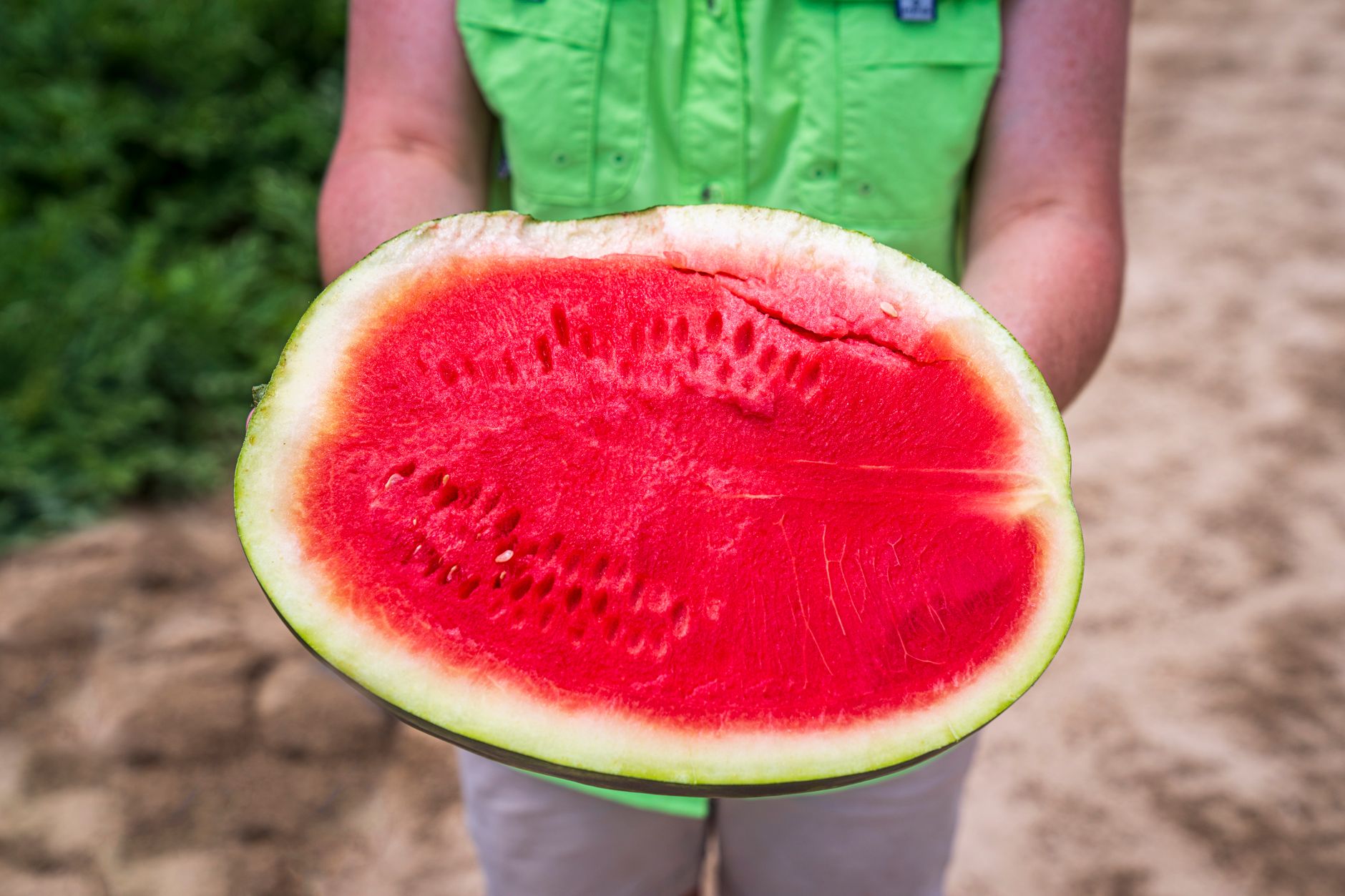
Food supplies more than most people assume. Cucumber, watermelon, lettuce and tomatoes are over 90% water; soup, yogurt and fruit all contribute.
Thirst is well calibrated, with exceptions
In healthy adults under about 65, thirst is a good signal. It responds to plasma osmolality with considerable sensitivity — long before dehydration becomes clinically meaningful — and it accounts for the things a formula cannot know: what you ate, how humid it is, what you drank yesterday.
Urine color is a reasonable secondary check. Pale straw is fine; dark amber suggests drinking something. Note that B vitamins turn urine bright yellow regardless of hydration, which trips people up.
Where thirst is not enough
- Older adults. The thirst signal genuinely weakens with age, which is why dehydration is far more common in the elderly and why scheduled drinking is sensible advice there and largely unnecessary earlier.
- Endurance exercise in heat, where sweat losses can outrun thirst over hours.
- Illness with fever, vomiting or diarrhea.
- Kidney stones, where higher fluid intake is one of the few interventions with genuinely good evidence for preventing recurrence.
- Infants and young children, who dehydrate faster and communicate it poorly.
The claims that do not hold up
Drinking more water causes weight loss
There is a small, real effect and it is not what the claim implies. Drinking water before a meal modestly reduces intake at that meal in some trials, particularly in older adults. Replacing sugary drinks with water reduces calories substantially — but that is the sugar leaving, not the water arriving.
It clears your skin
In people who are not dehydrated, the evidence for a dermatological benefit is weak. Severe dehydration affects skin turgor; ordinary variation in intake does not appear to change complexion.
It flushes toxins
The kidneys filter continuously and do not work harder or better with excess fluid, provided you are adequately hydrated. Beyond adequate, more water mostly produces more urine.
Mild dehydration ruins cognition
Studies do show effects on mood and concentration at around 2% body mass loss — but that is a substantial deficit, typically reached through prolonged exertion or heat rather than through forgetting your water bottle at a desk.
Drinking too much is a genuine risk
This deserves more attention than it gets, because the cultural pressure runs entirely one way.
Exercise-associated hyponatraemia — blood sodium diluted to a dangerous level — is rare, serious, and caused by drinking far beyond thirst during prolonged exercise. It has killed marathon runners, and the cases are typically slower participants who drank at every station out of a belief that more is better.
The mechanism is simple: sweat contains sodium as well as water, and replacing only the water dilutes what remains. If you are exercising hard for several hours, replace sodium as well — and drink to thirst rather than to a schedule.
The practical position
Drink when thirsty. Check urine color occasionally. Drink more deliberately if you are older, ill, exercising hard, in heat, or prone to kidney stones. Do not force a fixed number, and be skeptical of any claim that the number is the intervention.
The eight-glasses rule survives not because it is right but because it is memorable, which is a useful thing to notice about health advice generally.