How to lose weight: the mechanism, the rate that holds, and the parts nobody sells
How to lose weight is not scientifically contested. Everything that varies between diets is about whether you can keep doing it — which is the part worth choosing on.
September 7, 2026 · 6 min read

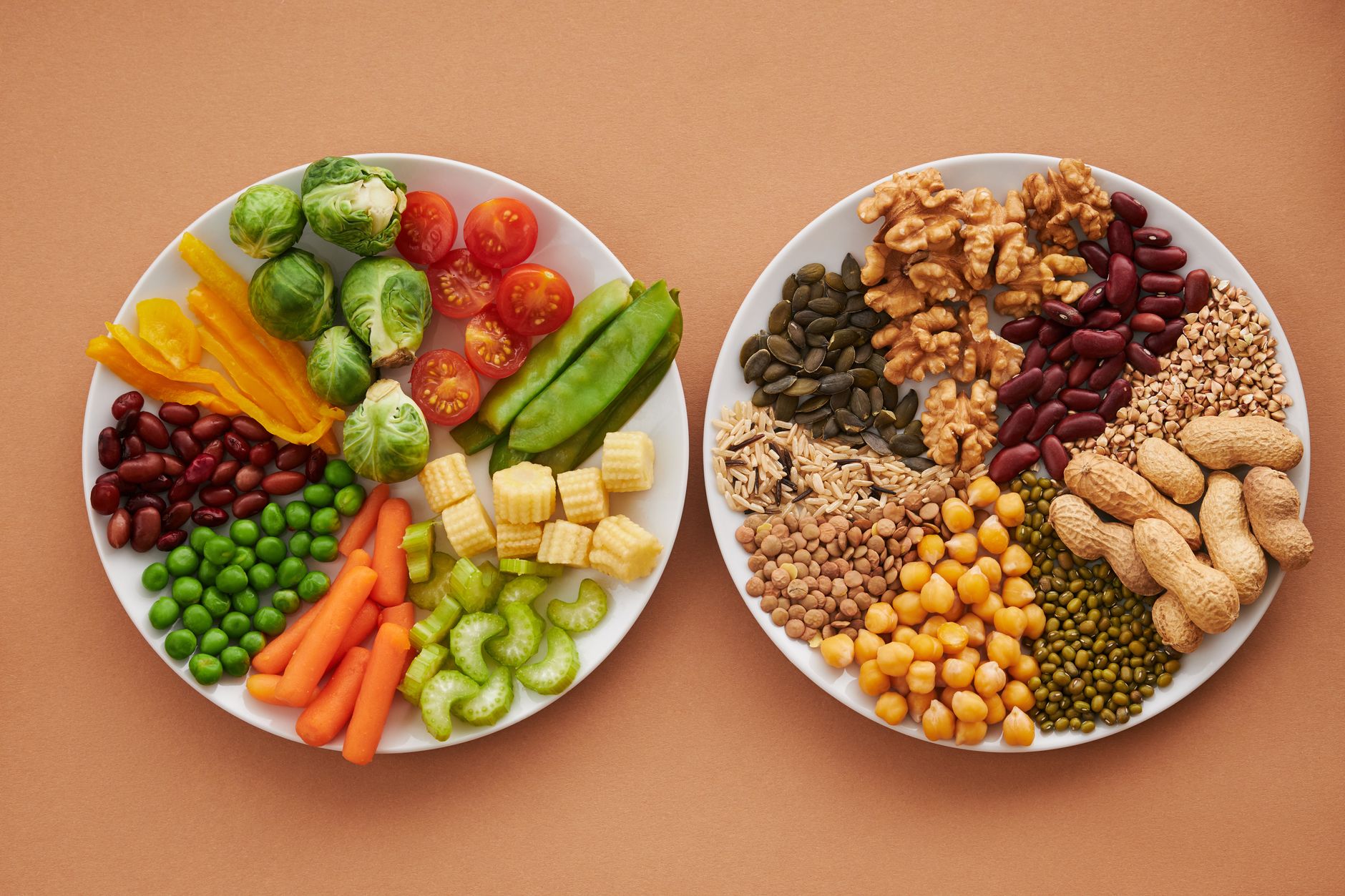
Photograph by Kampus Production on Pexels
The mechanism is not in dispute and never has been. Weight is lost when energy taken in is less than energy used, sustained over time. Every diet that works, works this way — keto, fasting, low fat, paleo, Mediterranean, the one your colleague swears by. Whatever else they claim, that is what they are doing.
That is not a reason to be dismissive about diets. It is a reason to choose one on the honest criterion, which is not which is metabolically clever but which you can actually live on. Everything below is about the parts that decide whether it holds.
How fast you can lose weight without losing muscle
Around 0.5 to 1% of body weight per week. For most people that is a deficit of roughly 300 to 500 calories a day, and the calorie calculator will give you the number for your own body.
Faster than that and three things happen at once, none of them helpful. A larger share of the loss comes from muscle rather than fat. Hunger rises steeply, because appetite regulation responds to the size of the deficit rather than to your intentions. And adherence collapses — which matters most, because a diet abandoned in week three nets out at zero.
There is a widely quoted rule that 3,500 calories equals a pound of fat, and it is only true at the start. As you get lighter the same intake produces a smaller deficit, so the rate slows. That is the arithmetic behind most plateaus, and it is covered properly in the calorie deficit article.

Three things that do most of the work
Protein
Roughly 1.6 grams per kilogram of body weight a day. It does two jobs simultaneously: it signals the body to preserve muscle instead of breaking it down for fuel, and it is the most satiating macronutrient per calorie, so the deficit itself becomes easier to hold. If you change one thing about what you eat, change this one. The protein calculator gives the range.
Resistance training
It burns very few calories, and that is not why it is here. In trials comparing a deficit alone against a deficit plus lifting, both groups lose similar total weight and the training group loses considerably more of it as fat. Cardio helps with the energy side; lifting is what protects the tissue you want to keep.
Sleep
The most underrated item on the list. In a controlled study where participants ate the same deficit on 8.5 hours versus 5.5 hours of sleep, total weight loss was similar but the short-sleep group lost around 55% less fat, more lean mass, and reported more hunger throughout. Sleep is part of the mechanism, not a wellness garnish.
What does not help you lose weight
Meal timing
Eating after 8pm does not add calories. Late eating correlates with weight gain mostly because it tends to be unplanned eating on top of the day rather than part of it. If your intake is the same, the clock is a minor factor. The same applies to breakfast: trials that assign people to eat or skip it find very little difference either way.
Metabolism boosters
Green tea, cayenne, cold showers and the rest have measurable thermogenic effects in the literature, in the range of tens of calories a day. That is real and it is trivial next to a single cookie. None of them is a lever worth pulling.
Detoxes and cleanses
The liver and kidneys do this continuously and are not improved by juice. What juice cleanses reliably produce is a short, large deficit followed by rapid regain, which is a worse outcome than doing nothing.
Spot reduction
You cannot choose where fat comes off. Abdominal exercises strengthen abdominal muscles and do not preferentially remove the fat above them; this has been tested repeatedly and does not work. Where you lose from first is largely genetic.
Why tracking under-reports, and what to do instead
Studies comparing food diaries against doubly labeled water — the reference method for measuring energy expenditure — find people consistently under-report intake, often by 20 to 40%.
This is not dishonesty. Portion estimation is genuinely difficult, cooking oil and dressings are close to invisible in a diary, and the foods most easily forgotten are the calorie-dense ones. Nobody is lying about the salad; they are forgetting the two tablespoons of oil it was cooked in.
Two habits fix most of it without turning meals into bookkeeping. Weigh food for two weeks to recalibrate what a portion looks like, then stop — most of the value is in the recalibration and it persists. And read the scale as a weekly average rather than a daily verdict, because normal fluctuation from water, sodium and gut contents is routinely two to four pounds and will otherwise hide real progress for two weeks.
Hunger is a signal to work with, not to override
Willpower is a poor long-term strategy and a worse plan than simply eating food that makes you less hungry. Three things reliably help: protein at every meal, high-volume low-density foods such as vegetables, soups and fruit that fill the stomach for few calories, and enough fiber to slow gastric emptying.
Liquid calories are the opposite case. They register poorly with appetite regulation, so a 300-calorie drink does not reduce what you eat afterward nearly as much as 300 calories of food would.

The part that is genuinely hard
Maintenance, and it needs planning before the loss starts rather than after it ends.
At a lower weight, appetite hormones remain shifted toward eating more — leptin down, ghrelin up — and in some studies that persists for a year or longer. Resting expenditure sits somewhat below what size alone predicts. Neither is a moral failing; both are normal physiology, and both are manageable once you know they are coming. What people experience as willpower failing at month eight is usually this.
The practical answer is to decide in advance what the maintenance diet looks like, and to treat it as the actual goal rather than the anticlimax after the interesting part. If you plan only the deficit, the deficit is all you get — and then the weight comes back.
When to get help rather than a plan
Weight loss that was not intended, a BMI over 35 with related conditions, a history of disordered eating, or several serious attempts that all ended the same way — these are reasons to talk to a doctor rather than to try a different diet. Effective medical options now exist that did not a decade ago, and they are a legitimate route rather than an admission of failure.