Weight loss plateau and the yo-yo effect: why the weight stops moving, and then comes back
A weight loss plateau is arithmetic before it is biology, and regain is the normal outcome of a diet that ends. Understanding both makes them much less mysterious.
September 4, 2026 · 6 min read

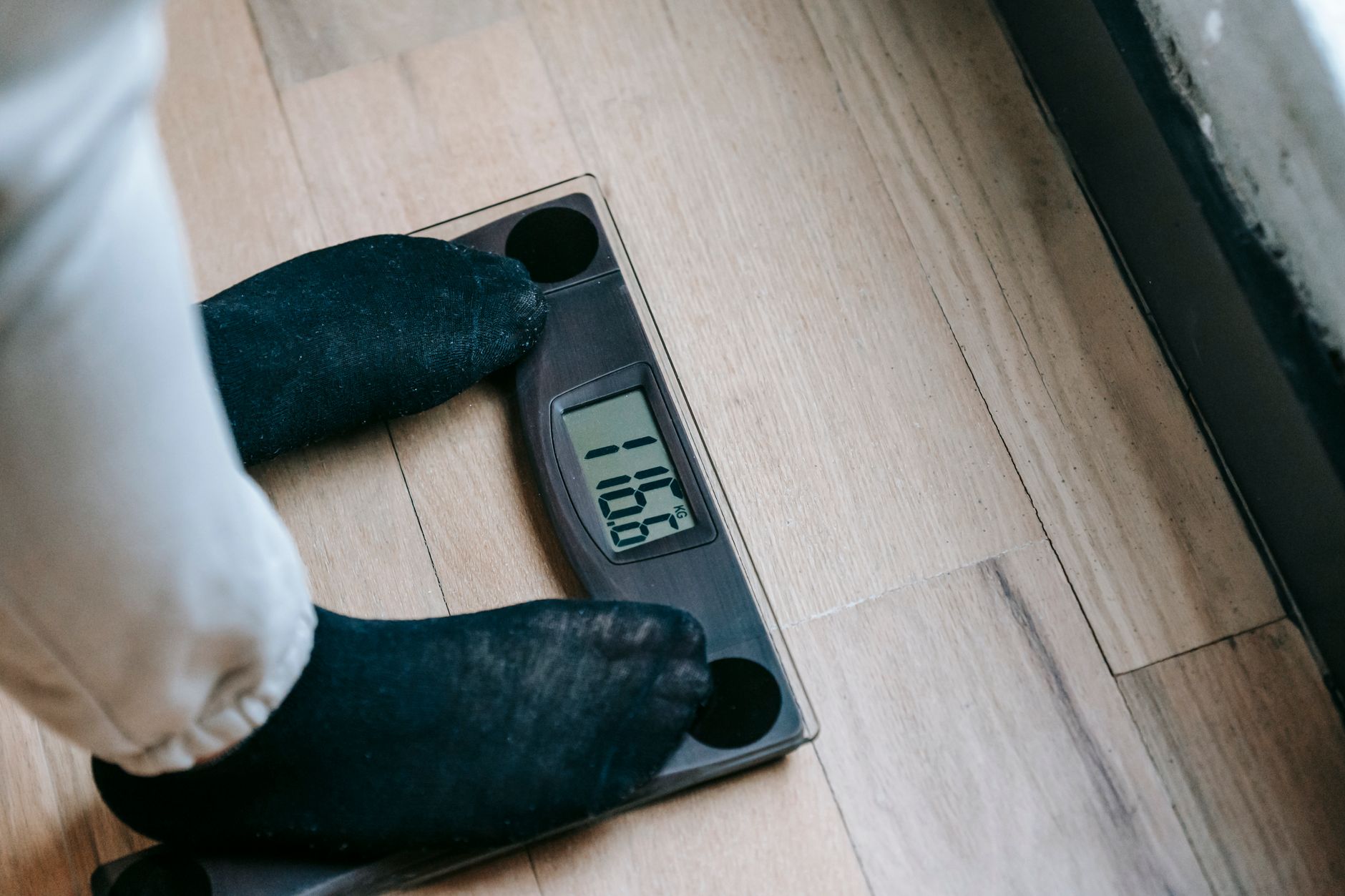
Photograph by Engin Akyurt on Pexels
Two things happen to nearly everyone who loses a significant amount of weight, and they are usually experienced as personal failures. The scale stops moving while nothing about the effort has changed. Then, some months after the diet ends, the weight comes back.
Both have straightforward explanations. Neither is primarily about willpower, and understanding what is actually happening makes both considerably more manageable.
The weight loss plateau: arithmetic first, biology second
The first thing to understand about a plateau is that most of it is not mysterious at all.
You are a smaller person now
A lighter body costs less to run. Every movement carries less mass, and resting expenditure scales with body size. The intake that produced a 500-calorie deficit at the start produces a smaller one at every subsequent weight, and eventually produces none at all. That is not your metabolism breaking — that is the deficit closing on its own, exactly as arithmetic predicts.
This is why a target that is recalculated every ten pounds or so works better than one set once. The calorie calculator takes thirty seconds to rerun.
Adherence drifts, invisibly
The unglamorous second cause. Portions creep, the weighing gets casual, the untracked handful reappears. Studies comparing self-reported intake against doubly labeled water find under-reporting of 20 to 40% routinely, and it grows as the novelty of a diet wears off. Most plateaus that survive a recalculated target are this.
Water is hiding your progress
Fat loss is continuous; scale weight is not. Glycogen, sodium, gut contents and — for women — the menstrual cycle produce swings of two to four pounds that can mask several weeks of real fat loss. A plateau of under three weeks, read from daily weights rather than a weekly average, is frequently not a plateau at all.
Adaptive thermogenesis, which is real and overstated
Beyond the arithmetic, expenditure does fall somewhat further than size alone predicts. The Biggest Loser follow-up found substantial, persistent reductions in resting metabolic rate years later, and that study gets quoted constantly.
Two things are usually left out. It studied an extreme intervention — enormous deficits with punishing exercise volumes — and studies of moderate weight loss find much smaller adaptations. And a large part of the effect is behavioral rather than metabolic: people in a deficit move less spontaneously. They fidget less, walk less, take the lift. That component is addressable simply by watching daily step count.
What to do about a plateau
- Confirm it is real. Three weeks of a flat weekly average, not four flat days.
- Recalculate the target for your current weight before assuming anything is wrong.
- Re-measure intake for a week. Weigh food again, honestly. This alone resolves most plateaus and nobody enjoys hearing it.
- Check daily movement, not exercise. Step count is the variable that quietly falls.
- Consider a maintenance break. Two weeks at maintenance calories is not lost time; it restores some hormonal and psychological slack, and diet-break trials suggest it does not slow overall progress.
Why the weight comes back: the yo-yo effect
Regain is the normal outcome of a diet that ends, and it is usually explained as a failure of discipline. The physiology offers a better account.
Appetite hormones shift, and stay shifted
Leptin, which signals satiety, falls with fat mass. Ghrelin, which drives hunger, rises. Both changes are appropriate responses to weight loss from the body's point of view — and in a much-cited Australian study they were still measurable a year after the diet ended, in people who had regained nothing. The hunger is not imagined and it does not switch off at goal weight.

Crash diets make it worse specifically
A very large deficit costs more muscle, and muscle is metabolically active tissue. Coming out of one you are lighter but with a lower resting expenditure than someone the same weight who lost it slowly — plus stronger appetite signals. Then the diet ends, old habits return, and they meet a body that now needs less than it did.
That is the yo-yo mechanism in full: not weakness, but a predictable interaction between an aggressive method and normal physiology.
Is weight cycling itself harmful?
This gets asserted confidently in both directions. The observational data linking weight cycling to cardiovascular risk is confounded — people who cycle differ in many ways from people who do not, including in why they were dieting. The clearer finding is body composition: repeated aggressive cycles tend to leave people with a somewhat higher fat-to-lean ratio at the same weight. That is a reason to avoid crash diets rather than a reason to avoid trying again.
What actually prevents regain
- A moderate deficit, so less muscle is lost on the way down.
- Resistance training during the loss, not started afterward.
- A deliberate maintenance phase at the new weight before any further loss — practicing maintenance is a skill, and nobody practices it while dieting.
- Changes you were willing to keep. Anything you did only because it was temporary is a thing that will be reversed.
- Continued monitoring. The National Weight Control Registry — people who have kept significant weight off for years — finds regular self-weighing among the most common shared behaviors. It catches a two-pound drift before it becomes twenty.

The reframe that helps most
A diet with an end date has a regain built into it, because the conditions that produced the loss stop. The people who keep weight off are not the ones with more willpower; they are largely the ones whose eating after the loss looks like their eating during it.
Which is an argument for choosing a boring, sustainable method over an impressive one — and for treating the maintenance phase as the actual goal. How to lose weight covers the rate that supports that.