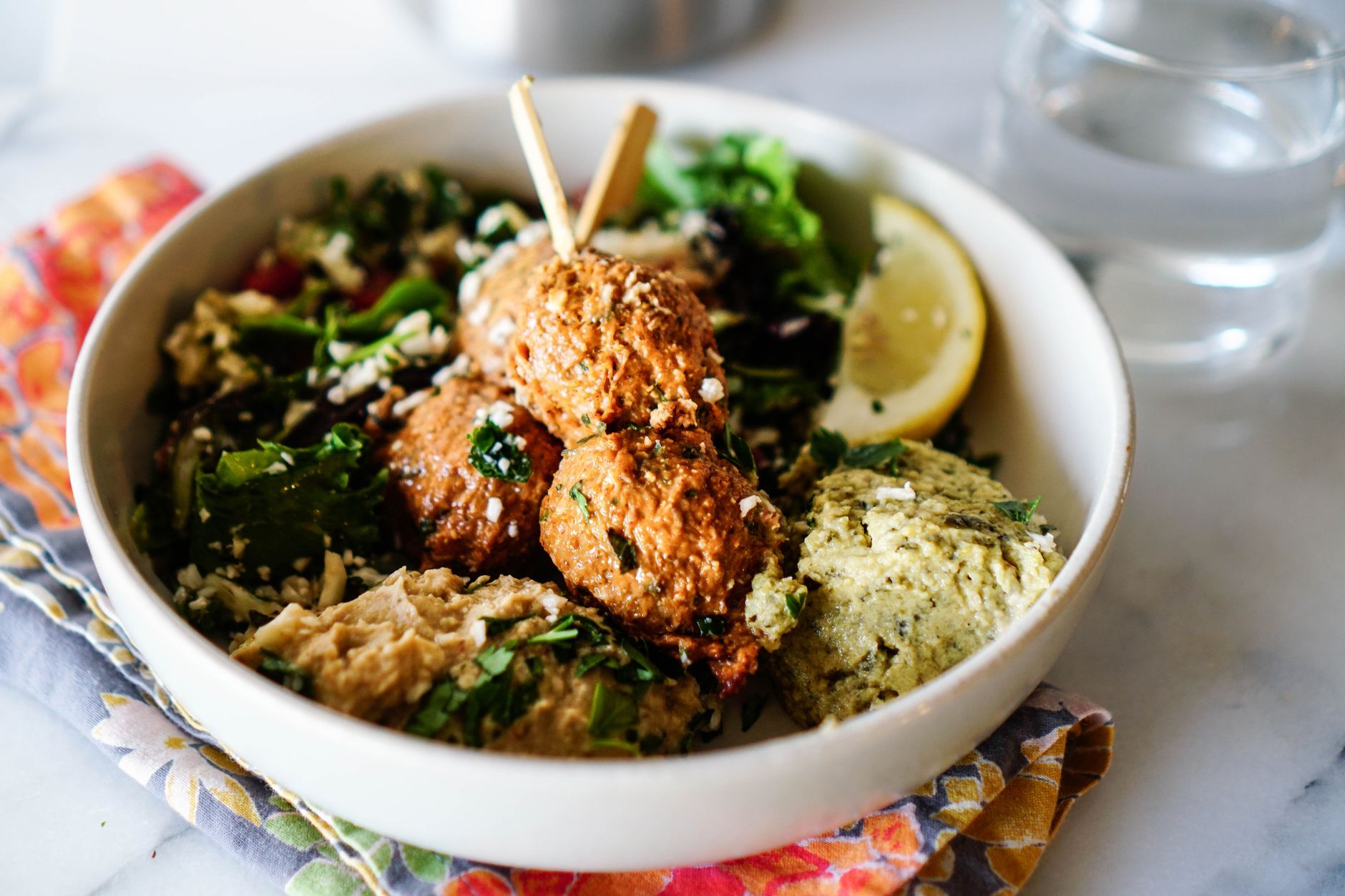
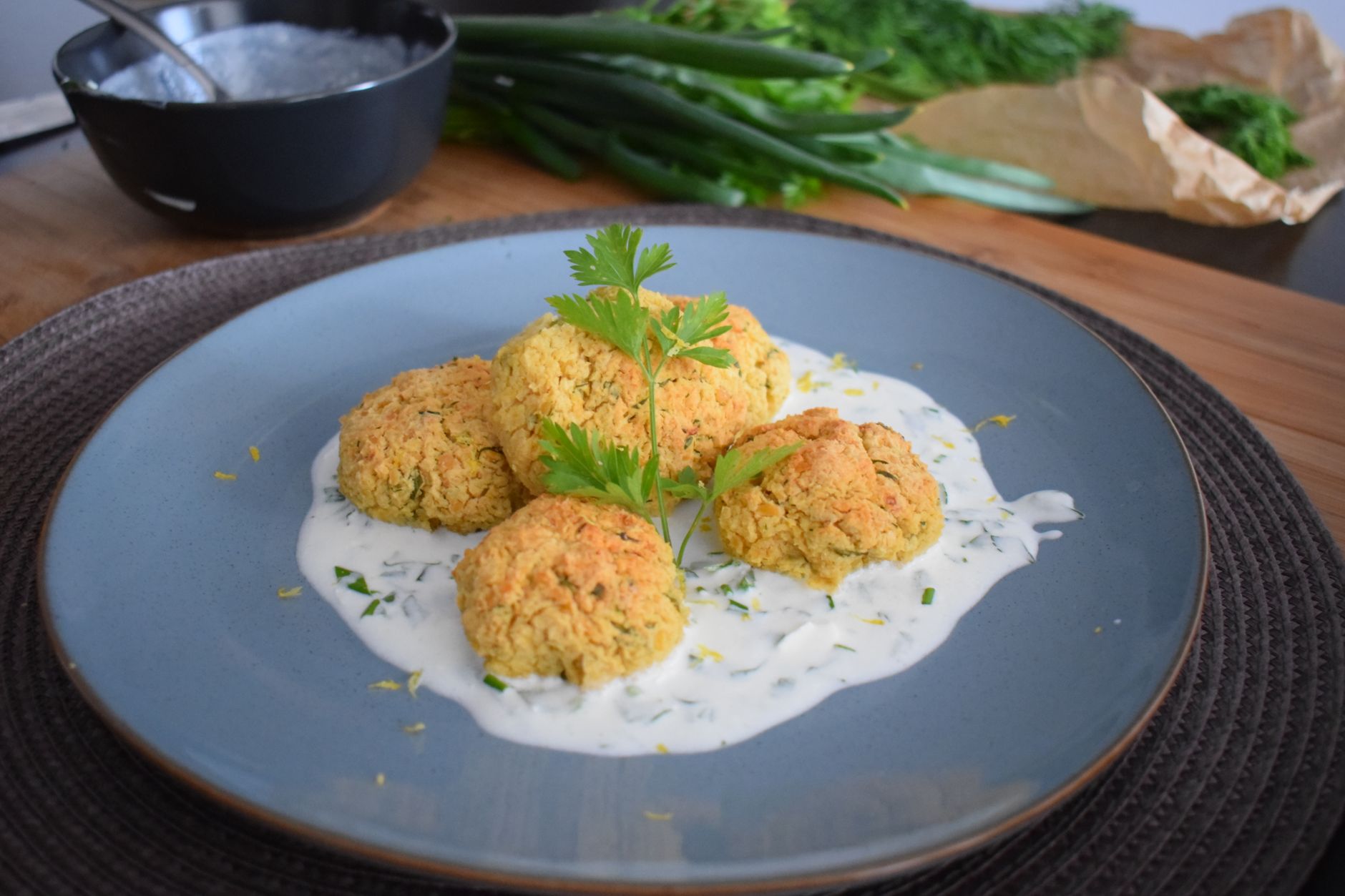
Falafel
Crisp homemade falafel from dried chickpeas soaked for a day, never canned, with fresh herbs and cumin. Canned chickpeas fall apart in the oil.
- 400
- kcal
- 16g
- protein
- 15g
- fat
- 53g
- carbs
- Prep
- 25 min
- Cook
- 15 min
- Serves
- 4
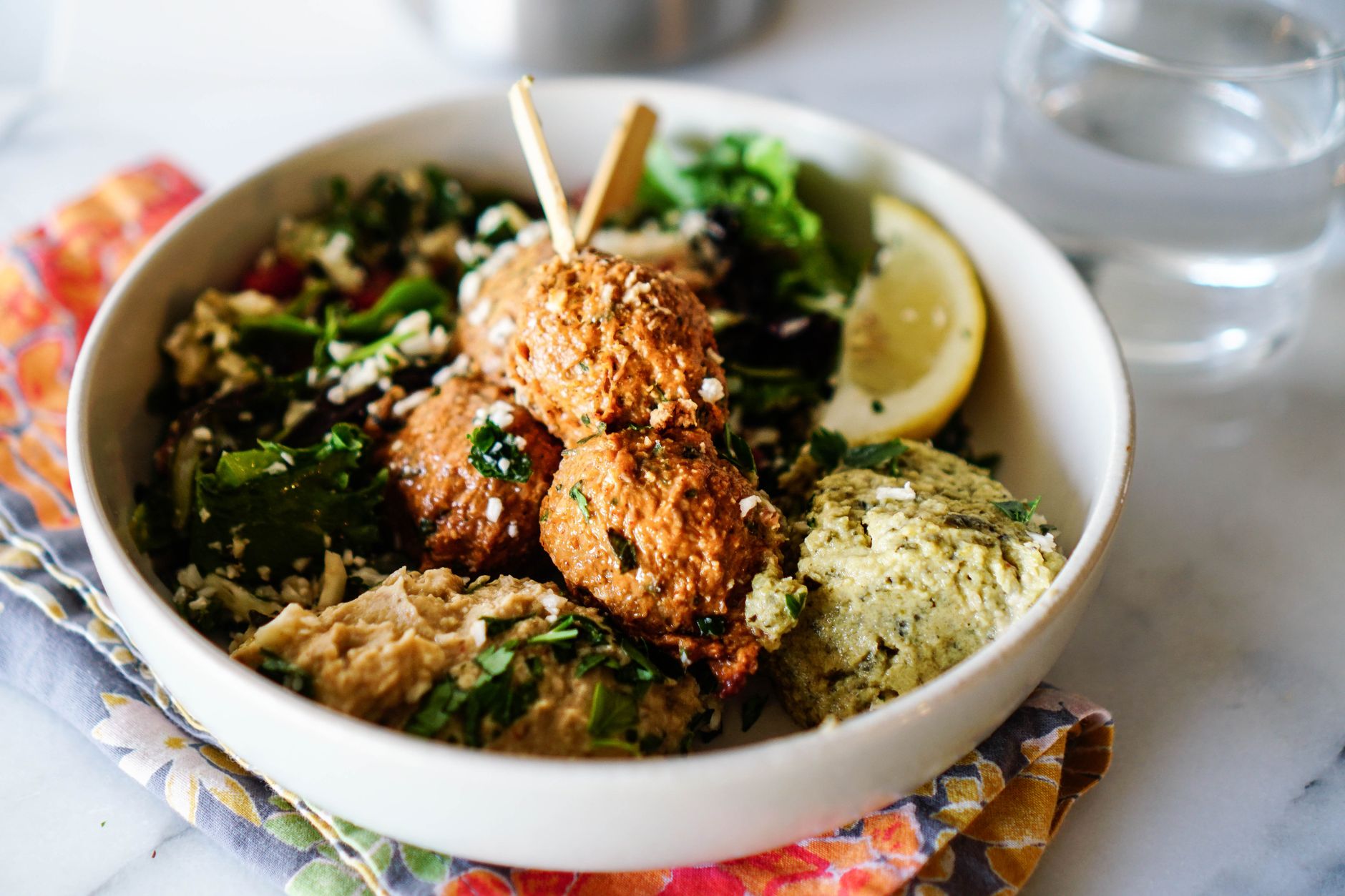
Photograph by Loren Castillo on Pexels
Ingredients
- 1 1/2 cups dried chickpeas, soaked 24 hours, not cooked
- 1 onion
- 4 cloves garlic
- A large bunch each of parsley and cilantro
- 1 tbsp ground cumin, 1 tsp ground coriander
- 1 1/2 tsp kosher salt
- 1 tsp baking soda
- Oil for frying
Method
-
1
Grind the chickpeas
Drain the soaked chickpeas thoroughly and grind them with everything except the baking soda to a coarse, damp crumb.
-
2
Chill the mixture
Chill the mixture for an hour, then stir in the baking soda just before frying.
-
3
Shape and fry
Shape into small balls and fry at 350°F for 3 to 4 minutes, until deep brown.
-
4
Drain and serve
Drain and sprinkle with a little more salt at once. They are best within ten minutes.
Dried chickpeas, soaked, never cooked
This is the rule that decides whether falafel works, and it is the one most recipes get wrong. The chickpeas are soaked for 24 hours and go into the food processor raw. Cooked or canned chickpeas contain gelatinized starch and far too much water; falafel made from them disintegrates in the oil, and no amount of flour or egg rescues it.
Raw soaked chickpeas hold their structure and cook through in the three to four minutes the outside takes to brown. If the center tastes raw, the balls were too large.
Grind coarse, and chill
You want a damp crumb with visible texture, not a paste. Over-processing releases starch and gives a dense, gummy interior instead of the light, almost fluffy one that good falafel has.
The hour in the fridge lets the mixture hydrate and firm up. Skipping it is the second most common cause of falafel falling apart.
Baking soda at the last moment
Stir it in immediately before frying, not before chilling. It reacts with the acids present and starts producing carbon dioxide straight away — added early, the gas is gone by the time the balls hit the oil, and you lose the interior lift it exists to provide.
Oil temperature
350°F, and it matters in both directions. Cooler and the balls absorb oil and turn greasy; hotter and the outside is dark before the middle is cooked. Fry one on its own first as a test — it is worth losing one to find out whether the mixture holds and the temperature is right.
Baking, honestly
Baked falafel is a different and lesser dish. 400°F for 25 minutes with a good brush of oil produces something dry and dense with no crust. It is fine, it saves roughly 120 kcal a serving, and nobody who has eaten the fried version will mistake it for one.
What it is worth nutritionally
16 g of protein and a great deal of fiber from a base of dried legumes, which is one of the cheapest protein sources there is. Most of the 15 g of fat is oil absorbed during frying (the chickpeas bring about 4 g); the amount varies considerably with oil temperature, which is a practical reason to get it right beyond the taste. Serve them in pita with hummus, or with tzatziki if you eat dairy, and a chopped salad.