Beets benefits: what the nitrate actually does, and what beetroot cannot do
Beets benefits come down to dietary nitrate: in trials, beet juice lowers systolic blood pressure by about 4 to 5 mmHg. Plus a cup's nutrition, beet powder, pink urine and kidney stones.
November 11, 2026 · 7 min read
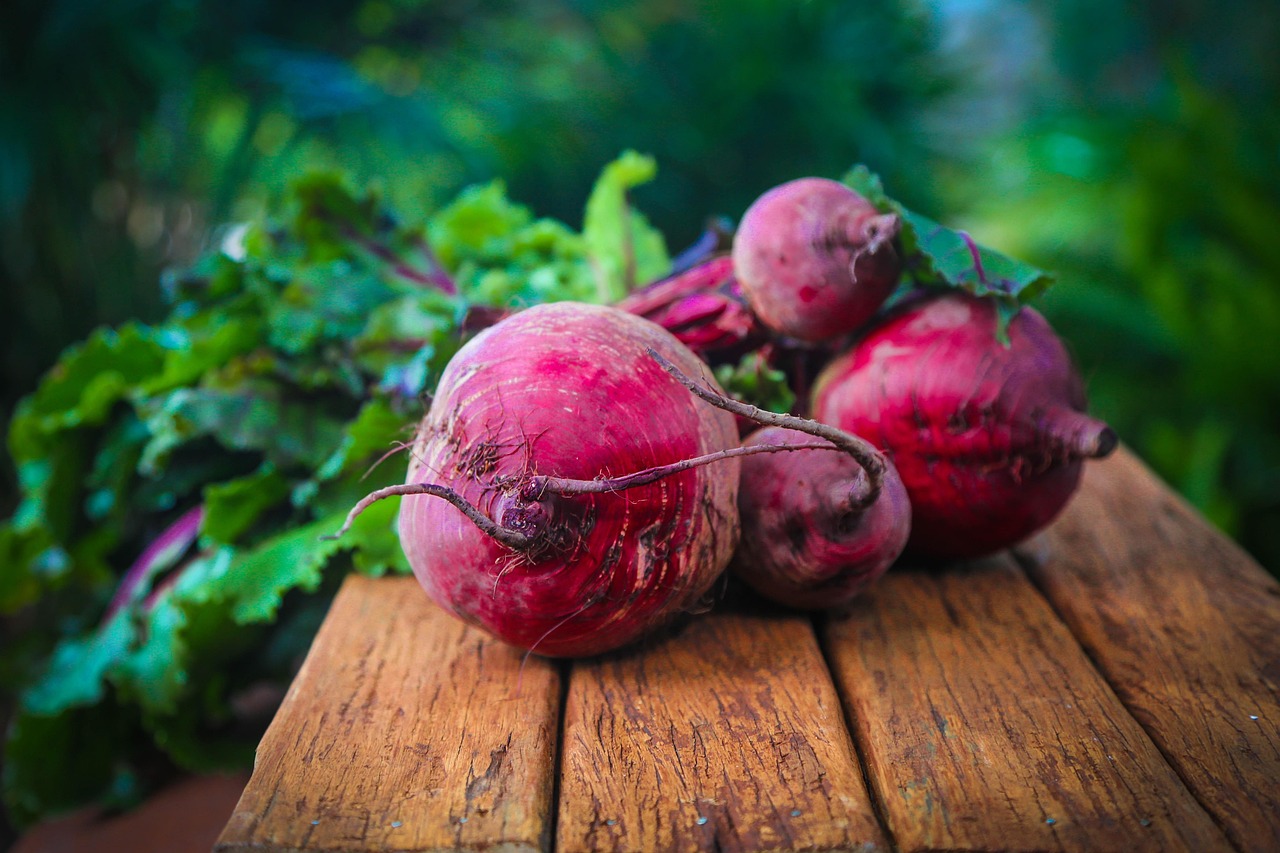
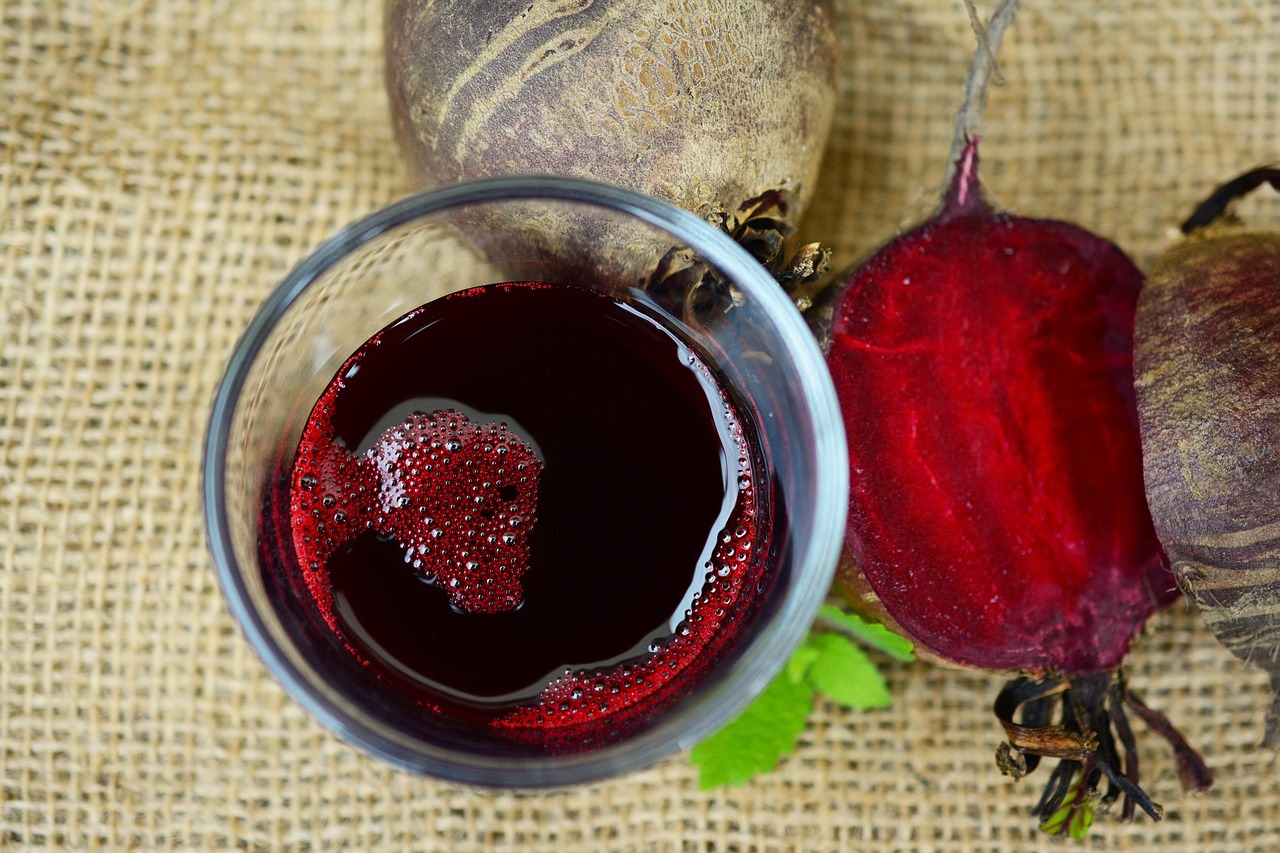
Photograph by Desertrose7 on Pixabay
Beets have one benefit that is genuinely unusual and backed by real trials: they are among the richest food sources of dietary nitrate, which the body turns into nitric oxide, a molecule that relaxes blood vessels. Almost everything else said about beetroot benefits is either ordinary vegetable nutrition or overstated. Both parts are worth knowing.
Beet nutrition, per cup
A cup of raw beets, sliced or diced (about 136 grams), contains roughly:
- 58 calories and 13 g of carbohydrate.
- About 4 g of fiber, around 14% of the 28-gram Daily Value.
- About 9 g of sugar, all naturally present.
- About 150 µg of folate, more than a third of the Daily Value. This is the standout vitamin.
- About 440 mg of potassium and a useful amount of manganese.
- About 2 g of protein and almost no fat.
A cup of cooked sliced beets (about 170 grams) is about 75 calories, with roughly 3.5 grams of fiber and 13 grams of sugar. Boiling loses some of the folate and potassium into the water; roasting keeps more of them.
One thing beets are not is a good source of iron, despite the red color and the old reputation. A cup has under 1.5 milligrams. For foods that actually supply it, see iron-rich foods.
Beets and blood pressure
The nitrate in beets follows an odd route. You absorb it, about a quarter of it is concentrated back into your saliva, and bacteria on your tongue convert it to nitrite. Once swallowed, nitrite is turned into nitric oxide, which widens blood vessels.
This has been tested properly. Meta-analyses of randomized trials have found that beet juice or other nitrate sources lower systolic blood pressure, the top number, by around 4 to 5 mmHg on average, with a smaller effect on the bottom number. That is a real effect, about the size you get from cutting a fair amount of salt.
The caveats are just as real:
- Most trials are short, from a single dose to a few weeks. Whether the effect holds up over years, and whether it reduces heart attacks or strokes, has not been shown.
- The doses are large. Trials typically use around 250 to 500 milliliters of juice or a concentrated shot, far more nitrate than a side of beets.
- Antibacterial mouthwash blunts it. Because the conversion depends on mouth bacteria, studies show that antiseptic mouthwash can blunt or largely cancel the blood pressure effect.
- It is not a replacement for medication. If you take blood pressure drugs, a daily beet juice habit is worth mentioning to your doctor, since the effects can add up.
Leafy greens like arugula and spinach are also high in nitrate, so beets are not the only route. Eating more vegetables of this kind is part of why the Mediterranean diet does well in blood pressure studies.
Beet juice benefits for exercise
The other well-studied use is endurance exercise. Nitric oxide makes muscles use oxygen more efficiently, and in trials beet juice taken two to three hours before exercise lets recreational athletes go a little longer before exhaustion, or work at the same pace with slightly less oxygen.
The effect is small, and it is smaller still or absent in highly trained endurance athletes, who already have efficient circulation. For a recreational runner or cyclist it is one of the few legal performance supplements with consistent evidence behind it. For someone walking for health, it does not matter.
Is drinking beet juice better than eating beets?
For the nitrate effect, juice makes the trial doses practical, because nobody eats a pound of beets before a run. For everything else, whole beets win. Juicing removes the fiber and concentrates the sugar: a glass of beet juice drinks like any other fruit or vegetable juice. If you drink it daily for blood pressure or training, count it as part of your carbohydrate for the day.
Beet powder benefits
Beet powder is dried, ground beetroot, often sold as a supplement or a sports drink mix. It can deliver nitrate, but the amount varies widely between products and is rarely printed on the label. Some powders contain very little. If nitrate is the point, a product that states its nitrate content per serving is the only kind you can judge, and a measured beet juice shot is more predictable. As a natural food coloring for frosting or smoothies, powder works well.
Sugar in beets, honestly
Beets are one of the sweeter vegetables, and the white sugar beet, a different variety, supplies more than half the sugar produced in the United States. That reputation makes people with diabetes wary of them.
The numbers are more reassuring than the reputation. A cup of raw beets has about 9 grams of sugar, roughly half what a medium apple has, along with 4 grams of fiber. Beets have a moderate glycemic index, but because a normal serving contains relatively little carbohydrate, the glycemic load is low. The glycemic index guide explains why that distinction matters. Beets as a vegetable side are fine for most people managing blood sugar; large glasses of beet juice are a different matter.
Side effects: pink urine and kidney stones
Beeturia
After eating beets, some people find their urine or stool turns pink or red. It is called beeturia, it is harmless, and it is caused by the betanin pigment passing through undigested. It is estimated to affect roughly 10 to 14% of people, and it is more common in people with iron deficiency. Red urine or stool when you have not eaten beets is a different thing and worth seeing a doctor about.
Oxalates
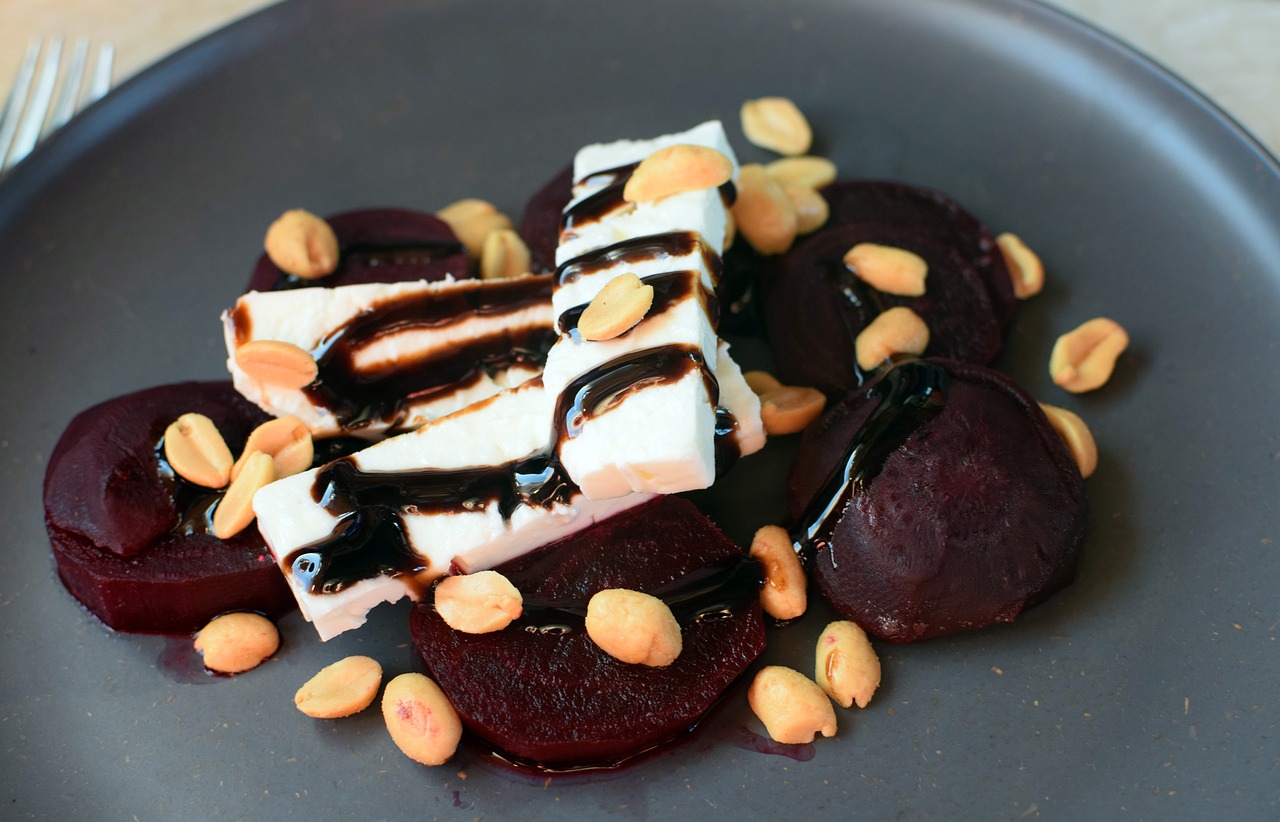
Beets, and especially beet greens, are high in oxalate. Most kidney stones are calcium oxalate, and people who have had them are usually advised to limit high-oxalate foods. If you have a history of kidney stones, beets are a food to eat occasionally rather than daily, and beet juice is the form to be most careful with. Eating high-oxalate foods alongside a calcium source, such as goat cheese in a salad, reduces how much oxalate is absorbed.
What about the antioxidants?
The red pigments in beets, called betalains, are antioxidants and have shown anti-inflammatory effects in lab and animal studies. The human evidence is limited and mostly comes from small trials using juice or extracts. They are a reasonable bonus but not a reason on their own; the broader picture is in anti-inflammatory foods.
Ways to eat beets
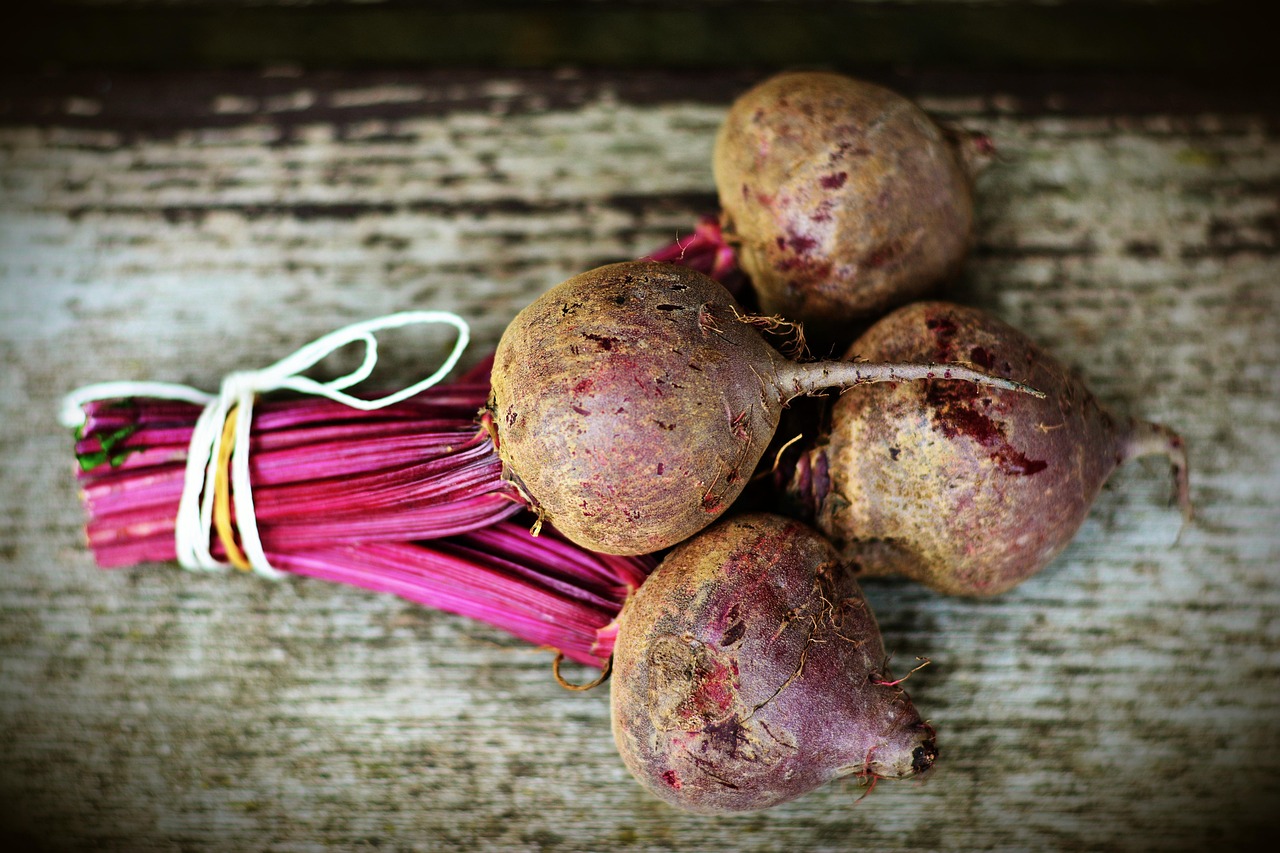
- Roast them. Wrap whole beets in foil and roast at 400°F for 45 to 60 minutes, until a knife slides in. The skins rub off easily once cool. This is the base of the roasted beet salad with goat cheese and walnuts.
- In soup. Ukrainian borscht is the classic beet soup, and roasting the beets before they go in gives it more depth than boiling them.
- Raw. Grated raw beets with carrot, lemon and olive oil make a sharp, crunchy slaw. Raw beets keep the most folate.
- Pre-cooked. Vacuum-packed cooked beets are a fair shortcut. Canned beets usually have added salt, so check the sodium, and pickled beets add sugar as well.
- The greens. Beet greens can be sautéed like chard. They are rich in vitamin K, which matters if you take warfarin, and high in oxalate.
Beet juice stains hands, cutting boards and counters. Wear gloves or rub your hands with lemon juice afterward, and use a plastic board rather than wood.
The honest summary
Beets are a cheap, low-calorie vegetable with a lot of folate and fiber. On top of that, their nitrate has a real, modest, short-term effect on blood pressure and endurance in trials, mostly at juice-sized doses. They will not cleanse your liver or fix anemia. If you have kidney stones, go easy; if you see pink after eating them, that is normal.