Glycemic index: what the numbers mean, low-GI foods, and when GI matters
The glycemic index rates carbs against glucose at 100: low is 55 or less, high is 70 or more. Lists of low- and high-GI foods and fruits, glycemic load, and GI for diabetes.
November 11, 2026 · 7 min read
The glycemic index ranks carbohydrate foods by how fast and how far they raise blood sugar compared with pure glucose, which is set at 100. It is a real, reproducible measurement, and it is also one of the most over-applied numbers in nutrition. Watermelon has a high GI and barely moves blood sugar in a normal serving. Ice cream has a low GI and is not a health food.
Both of those make sense once you see how the number is produced and what it leaves out. This page covers that, the lists of low- and high-GI foods, and how much GI actually matters for diabetes.
What the glycemic index is
To test a food, around ten healthy volunteers eat a portion containing 50 grams of available carbohydrate, and their blood sugar is measured over the next two hours. The area under that curve is compared with the curve from 50 grams of glucose. A food that produces 55% of the glucose response gets a GI of 55.
- Low GI: 55 or less.
- Medium GI: 56 to 69.
- High GI: 70 or more.
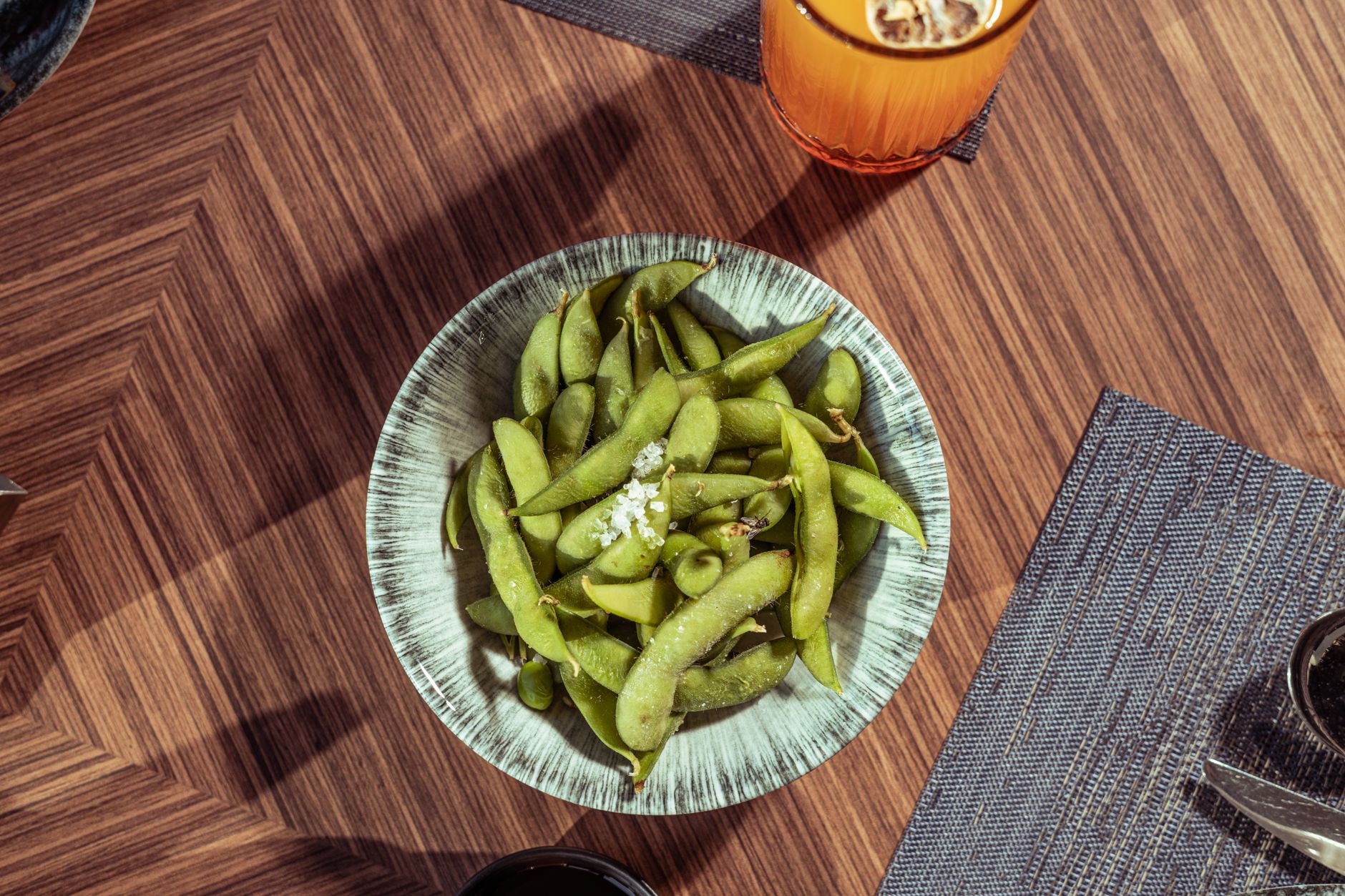
Only foods that contain carbohydrate have a GI. Meat, fish, eggs, oils and most cheese have essentially none to measure. Fat and protein still matter, because of what they do to the carbohydrate eaten with them.
The values below are typical published figures from the international GI tables (Atkinson and colleagues, 2008) and the University of Sydney database. Treat them as approximate. The same food tested in different labs, from different varieties or cooked differently, often lands 10 or more points apart.
Glycemic load: the number that matters more
GI says how quickly a fixed 50 grams of carbohydrate is absorbed. It says nothing about how much carbohydrate is in the portion you actually eat. Glycemic load fixes that:
Glycemic load = GI × grams of carbohydrate in the serving ÷ 100.
A glycemic load of 10 or less is low, 11 to 19 is medium, and 20 or more is high. Watermelon has a GI around 76, but a 4-oz (120 g) serving of the fruit contains well under 10 g of carbohydrate, so its glycemic load stays in the single digits. A large bowl of white rice with a GI around 73 and more than 50 g of carbohydrate has a glycemic load near 40. The GI is similar; the effect on blood sugar is not remotely similar.
For real meals, glycemic load is the more useful of the two numbers, and the amount of carbohydrate on the plate is the biggest single driver of both.
Low glycemic index foods
| Food | Approximate GI |
|---|---|
| Soybeans, boiled | about 16 |
| Kidney beans, boiled | about 24 |
| Chickpeas, boiled | about 28 |
| Barley, boiled | about 28 |
| Lentils, boiled | about 32 |
| Skim milk | about 37 |
| Carrots, boiled | about 39 |
| Whole milk | about 39 |
| Fruit yogurt | about 41 |
| Corn tortilla | about 46 |
| Whole-wheat spaghetti, boiled | about 48 |
| White spaghetti, boiled | about 49 |
| Rolled oat porridge | about 55 |
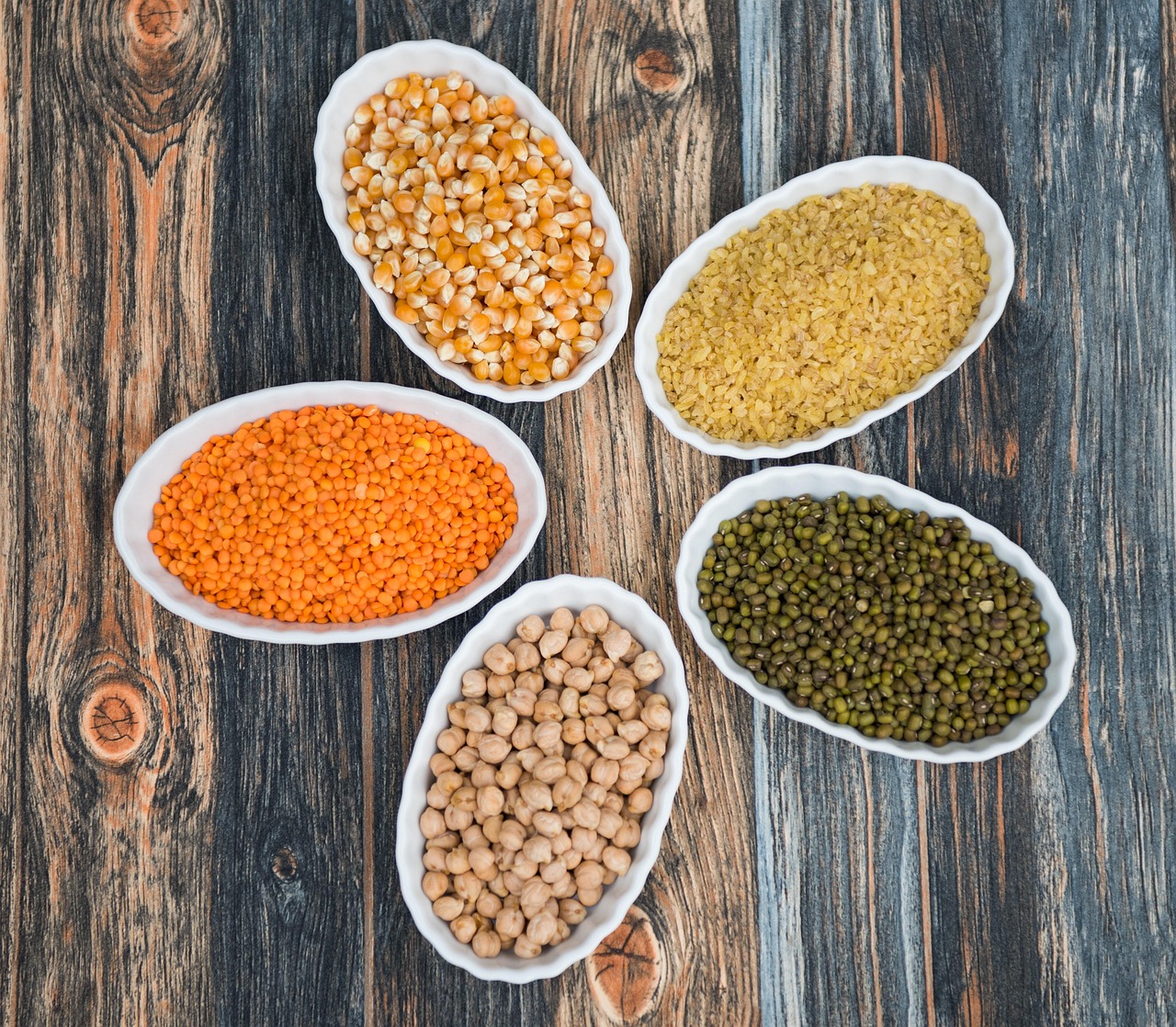
The pattern is clear: legumes, dairy, intact or minimally processed grains and pasta. Beans and lentils are the outstanding group, which is one more reason a red lentil soup or a chickpea salad keeps people full for longer than a sandwich of the same calories. Their fiber is part of the reason; the high-fiber foods list overlaps heavily with this one.
Pasta surprises people. Its dense structure slows digestion, so spaghetti has a lower GI than bread made from the same wheat, and cooking it al dente keeps it lower still.
Low glycemic fruits
- Grapefruit: about 25.
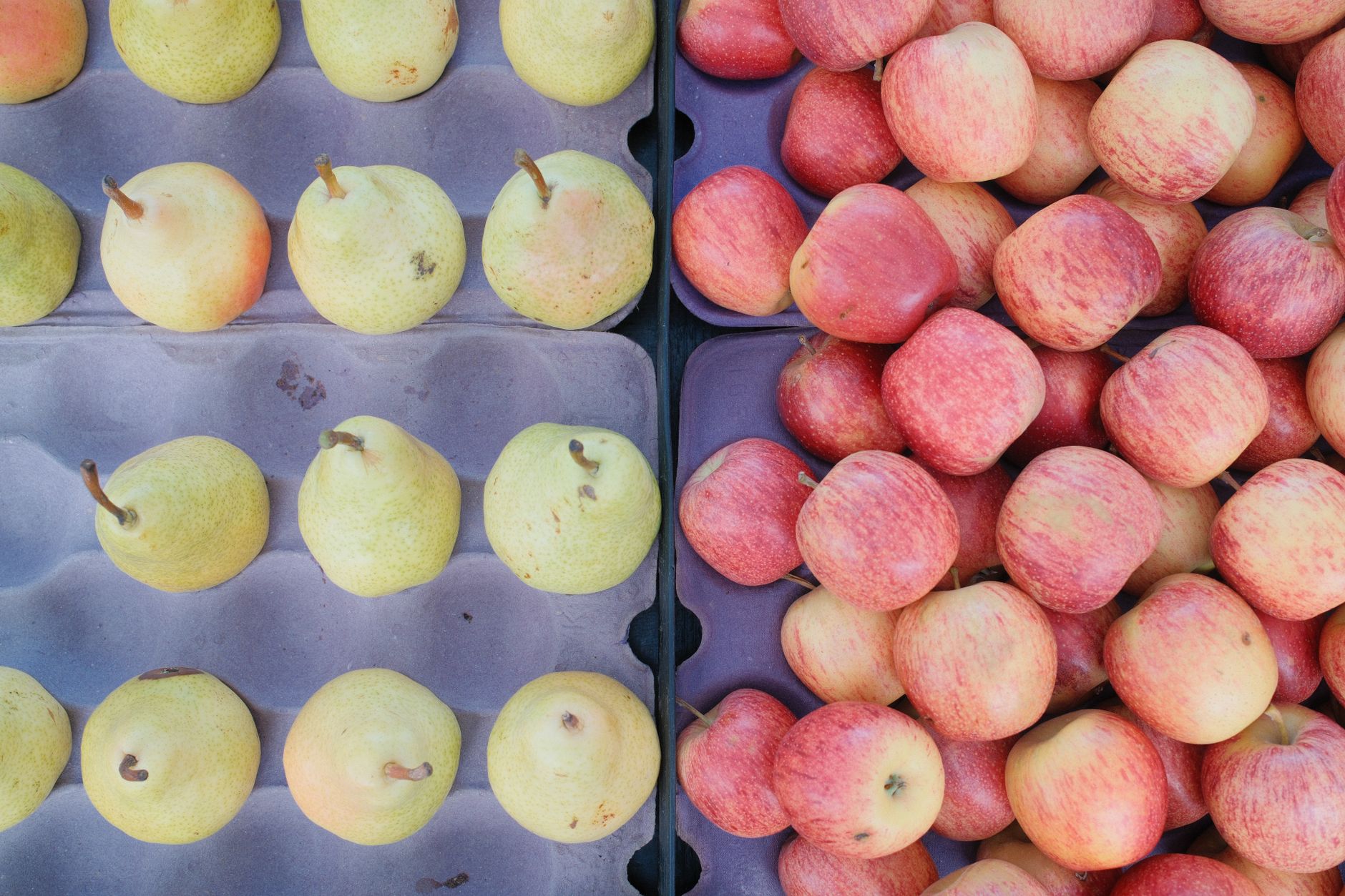
- Apples: about 36.
- Pears: about 38.
- Strawberries: about 40.
- Peaches: about 42 fresh.
- Oranges: about 43.
- Dates: about 42, though their carbohydrate per serving is high, so the glycemic load is not low.
- Bananas: about 51, and very dependent on ripeness. The banana nutrition page explains why a green-tipped banana and a spotty one behave differently.
- Mangoes: about 51.
Most whole fruit is low GI, partly because much of its sugar is fructose, which has a GI around 15, and partly because of the fiber. Juice is a different matter: fruit juices test in the 40s and 50s, but a glass delivers the sugar of several fruits without the fiber.
High glycemic index foods
The last four entries fall in the medium range and are included for comparison.
| Food | Approximate GI |
|---|---|
| Instant mashed potato | about 87 |
| Rice cakes, puffed | about 82 |
| Cornflakes | about 81 |
| Instant oat porridge | about 79 |
| Potato, boiled | about 78 |
| Watermelon | about 76 |
| White wheat bread | about 75 |
| Whole-wheat bread | about 74 |
| White rice, boiled | about 73 |
| Brown rice, boiled | about 68 |
| Sucrose (table sugar) | about 65 |
| Popcorn | about 65 |
| Sweet potato, boiled | about 63 |
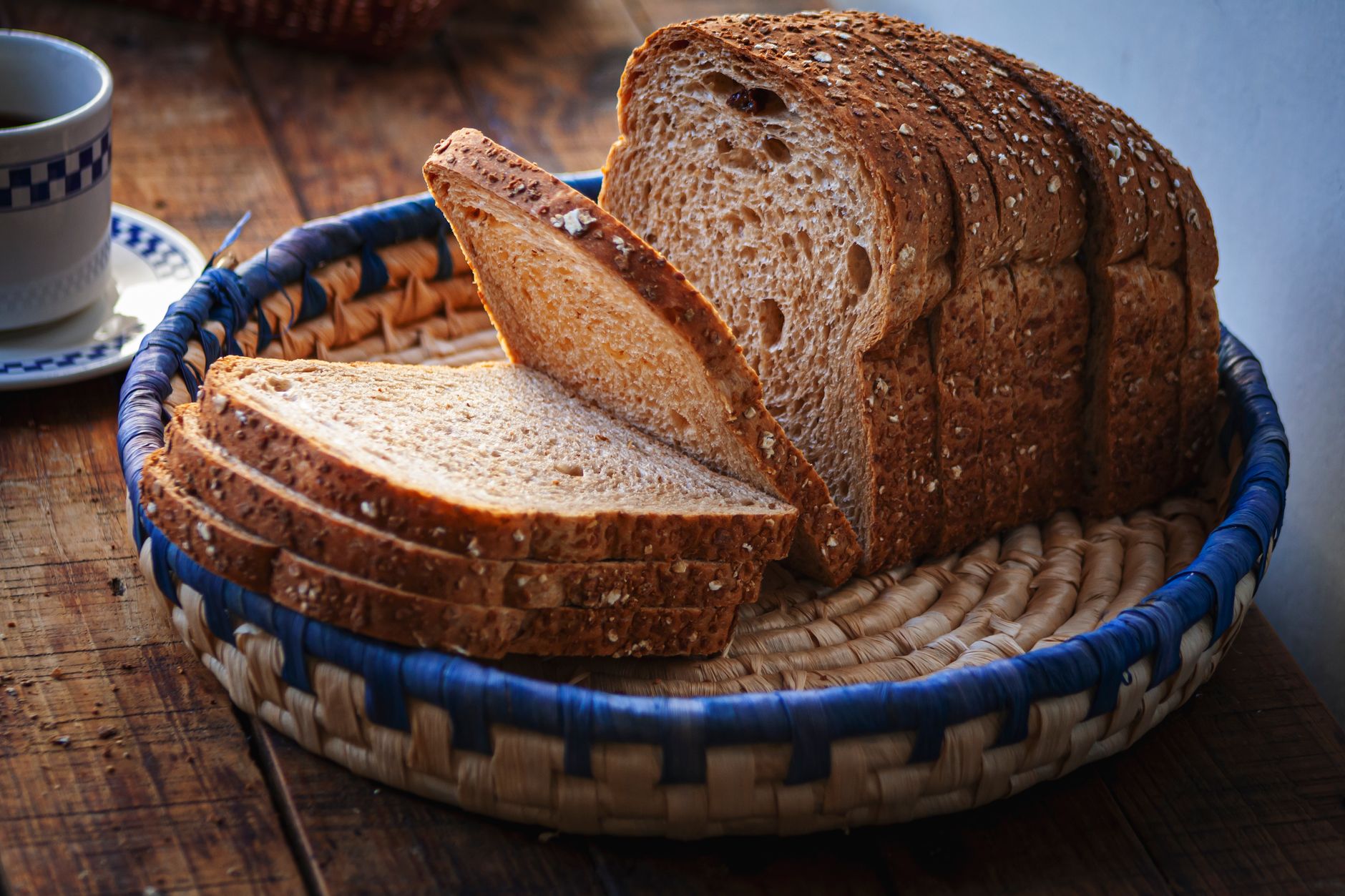
Two entries stand out. Whole-wheat bread made from finely milled flour has almost the same GI as white bread, because milling the grain to fine flour is what speeds digestion, not the removal of the bran. Its advantages are fiber and minerals, not a slower glucose curve. Breads with whole or cracked kernels, and long-fermented sourdough, tend to test lower.
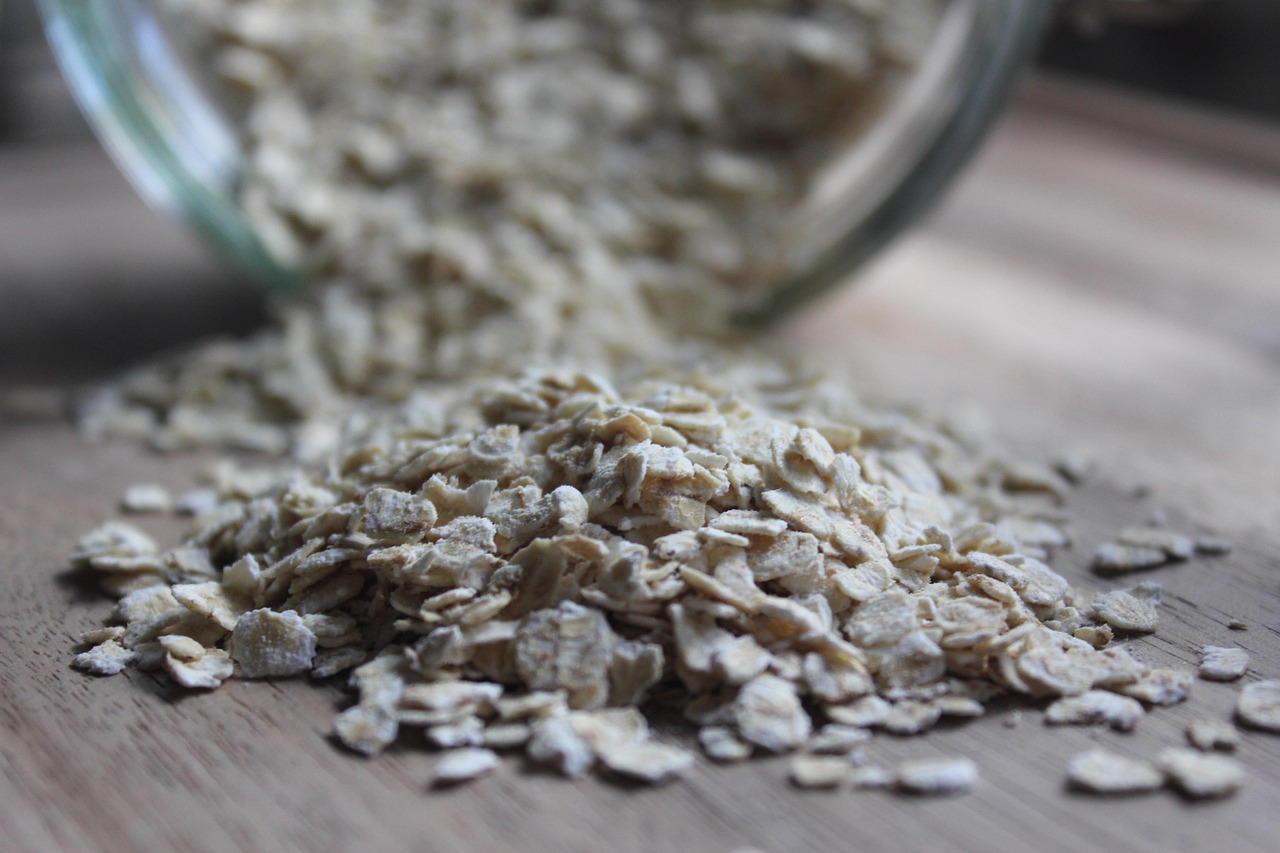
And instant oats test far higher than rolled oats, which is the processing effect again. The less a grain has been flaked, puffed or ground, the lower its GI.
Potatoes vary hugely with variety and method; baked russets and instant mash are typically high. Sweet potatoes are often described as low GI, but boiled they test medium and baked they can test high. The sweet potato nutrition page covers the rest of what they offer.
What changes a food's glycemic index
- Ripeness. As fruit ripens, starch turns into sugar. A less ripe banana has a lower GI than an overripe one.
- Processing and particle size. Steel-cut oats are lower than rolled, rolled lower than instant. Whole kernels are lower than flour.
- Cooking time. Longer cooking gelatinizes more starch. Al dente pasta and firm-cooked grains are lower than soft ones.
- Cooling starch. Cooked potatoes, rice and pasta that are chilled form some resistant starch, which digests more slowly. The effect is real and modest. Reheating after chilling keeps part of it.
- Fat, protein and fiber in the meal. They slow stomach emptying and blunt the glucose rise. This is also why ice cream tests low and potato chips test well below a boiled potato: the fat, not any virtue.
- Acid. Vinegar or lemon juice with a meal lowers the glucose response in short-term studies, as does the acidity of sourdough.
- The person. Responses to the same food vary considerably between individuals and from one day to the next for the same person.
Glycemic index and diabetes
For people with diabetes, the honest ranking is this: the amount of carbohydrate in a meal has the largest effect on blood sugar after it, and the type of carbohydrate has a smaller additional effect. The American Diabetes Association's guidance reflects that, emphasizing total carbohydrate and overall eating pattern, and treating GI as a secondary tool that can help fine-tune choices.
That secondary effect is real. Meta-analyses of randomized trials find that low-GI diets modestly improve HbA1c, the long-term blood sugar marker, in people with diabetes, along with small improvements in cholesterol and body weight. The improvement is smaller than what medication or substantial carbohydrate reduction achieves, but it comes with little downside.
Practically, low-GI choices for diabetes look like this:
- Swap instant oats for rolled or steel-cut, as in high-protein overnight oats, where the yogurt protein slows things further.
- Build meals around beans, lentils, intact grains and vegetables rather than white bread, white rice and potatoes.
- Eat whole fruit rather than juice, and watch the portion of the very sweet ones.
- Pair carbohydrate with protein, fat and vegetables, rather than eating it alone. Some small studies suggest eating the vegetables and protein first lowers the rise further.
- Keep counting carbohydrate. A large serving of a low-GI food can still raise blood sugar more than a small serving of a high-GI one.
Anyone on insulin or medicines that can cause low blood sugar should change their eating pattern with their care team, because doses may need to change with it. For people without diabetes, a low-GI pattern is a reasonable proxy for eating less-processed carbohydrate, which is good advice on its own. It is not a reason to fear fruit, carrots or potatoes, and a single number cannot say whether a food is healthy; a calorie is not just a calorie, and neither is a GI value.