High fiber foods: a list by the gram, and how to add them without the bloating
High fiber foods ranked per serving: a cup of lentils has about 15 grams, over half the 28 g Daily Value. Plus the best fruits and vegetables, constipation, and psyllium.
November 11, 2026 · 8 min read
Photograph by MART PRODUCTION on Pexels
The Daily Value for fiber is 28 grams, and most Americans eat about half of that. The Dietary Guidelines put it more bluntly: more than 90% of women and 97% of men fall short of the recommended intake. Fiber is one of the few nutrients where the gap is that wide, that consistent, and that easy to close with ordinary food.
It is also the nutrient where the list on its own is least useful. The foods with the most fiber per serving are not always the ones that help with constipation, and adding 15 grams overnight is a reliable way to spend a weekend bloated. The amounts below come from USDA FoodData Central and are rounded, because the real figure shifts with variety, ripeness and how long something was cooked.
How much fiber a day you need
The 28 g Daily Value on US labels is based on 14 grams per 1,000 calories in a 2,000-calorie diet. The National Academies set the adequate intake slightly differently, by age and sex:
- Women 19 to 50: 25 g a day. Over 50: 21 g.
- Men 19 to 50: 38 g a day. Over 50: 30 g.
Those numbers were set mainly from the association between fiber intake and lower rates of coronary heart disease. Large cohort studies and meta-analyses since have found the same direction for type 2 diabetes, colorectal cancer and overall mortality, with the benefit continuing up to 25 to 29 g a day and beyond. That is observational evidence, and people who eat a lot of fiber differ in other ways, but the consistency across populations is strong.
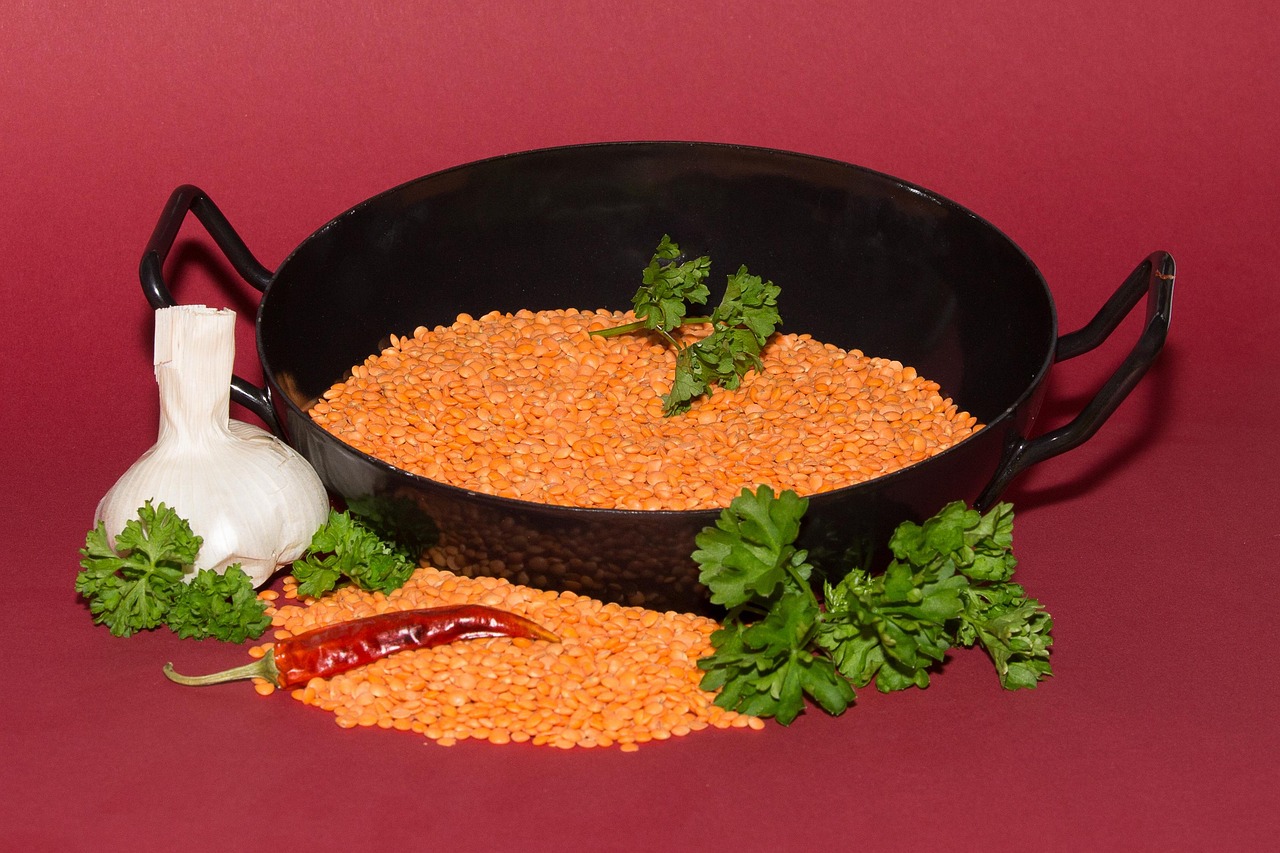
High-fiber foods list, by group
Legumes: the densest source by far
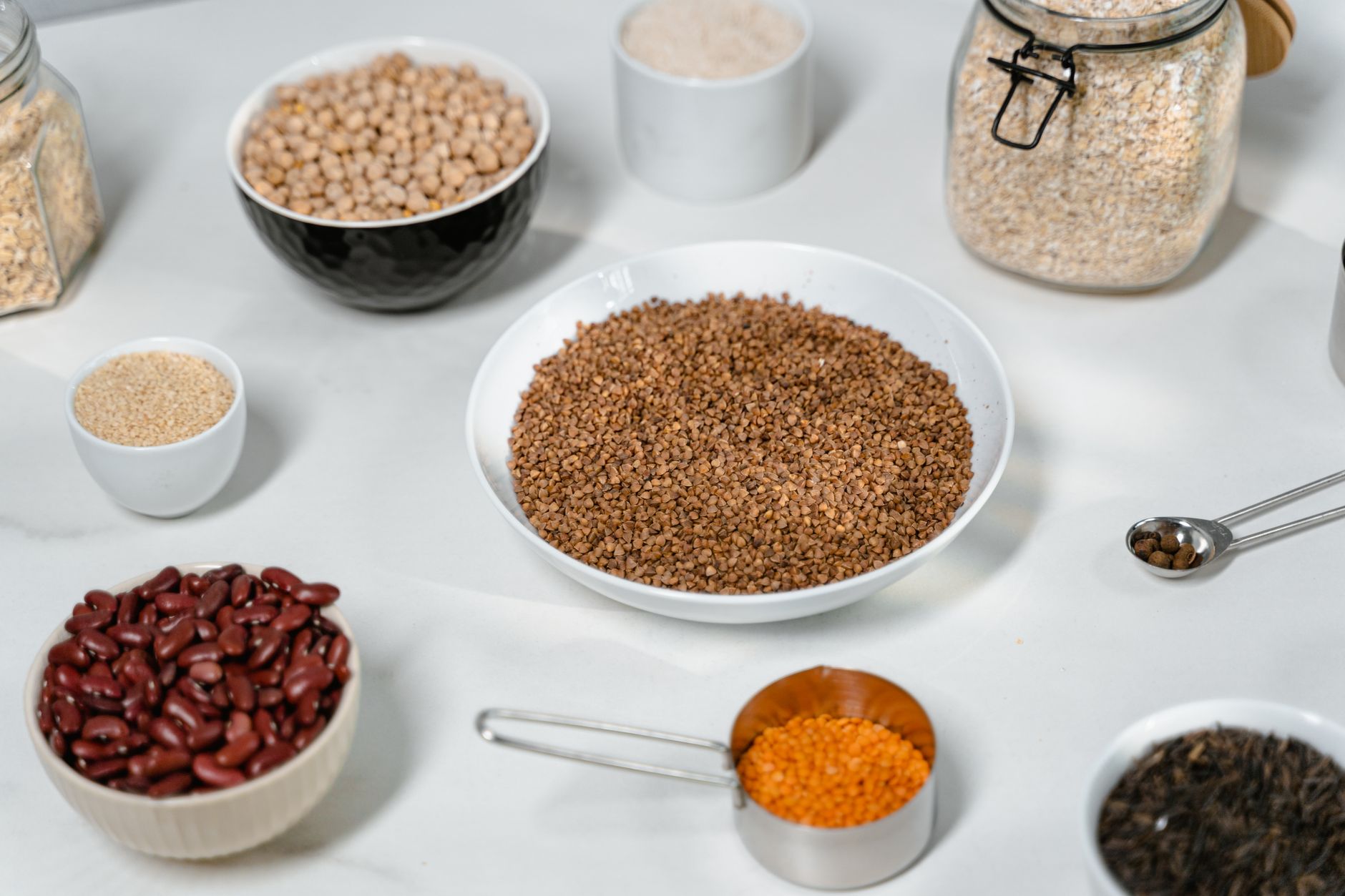
Beans, lentils and peas sit in a class of their own. One cup cooked covers half the Daily Value or more, and they bring protein, potassium and magnesium with it.
| Food | Serving | Fiber |
|---|---|---|
| Navy beans, cooked | 1 cup | about 19 g |
| Split peas, cooked | 1 cup | about 16 g |
| Lentils, cooked | 1 cup | about 15.5 g |
| Black beans, cooked | 1 cup | about 15 g |
| Chickpeas, cooked | 1 cup | about 12.5 g |
| Kidney beans, cooked | 1 cup | about 11 g |
| Green peas, cooked | 1 cup | about 9 g |
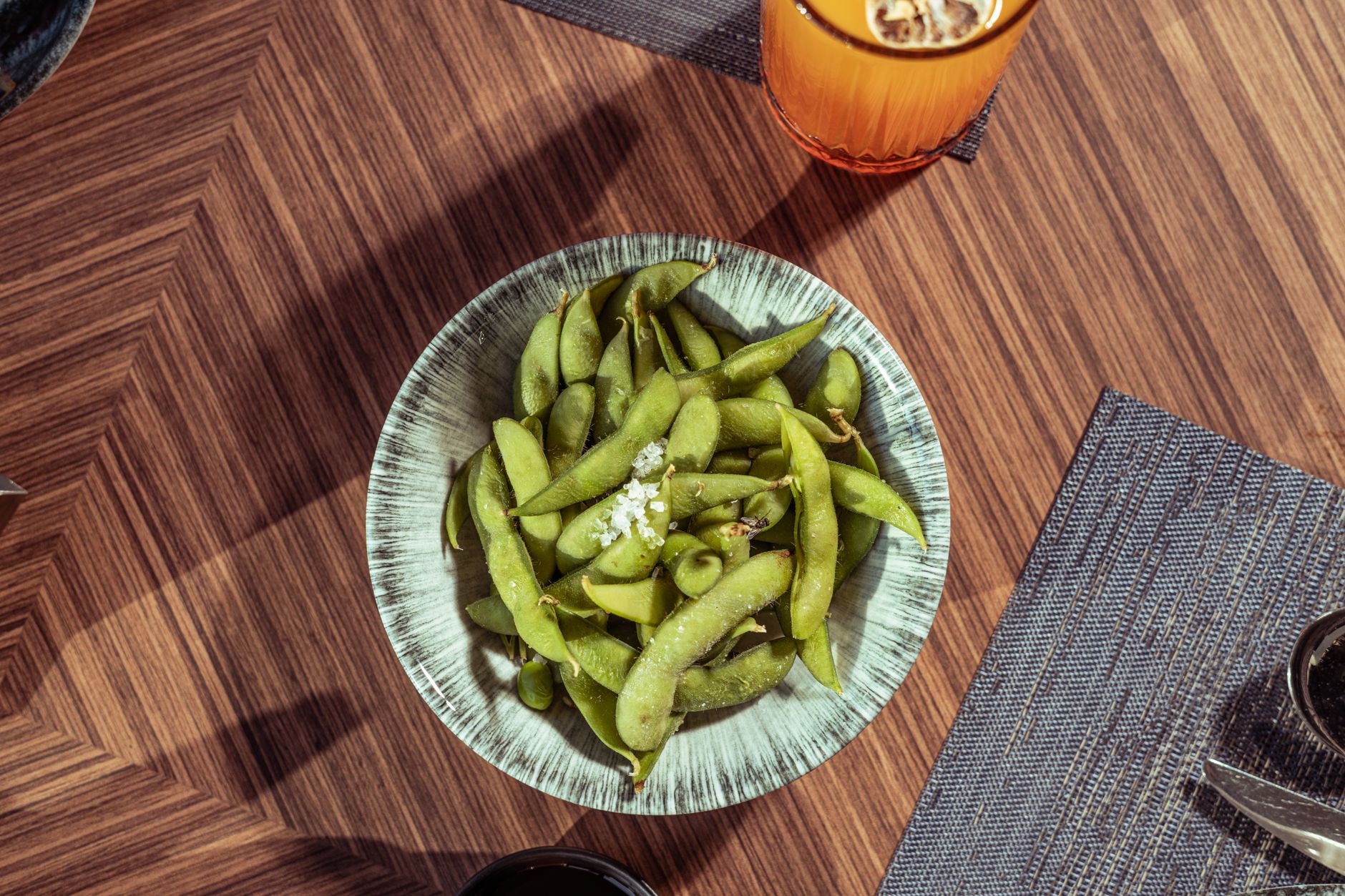
| Edamame, shelled | 1 cup | about 8 g |
A bowl of red lentil soup, a three-bean chili or a split pea soup each puts you most of the way to the day's target in one meal. Canned beans keep nearly all their fiber, so they count just as much as dried.
Whole grains
- Bulgur, cooked, 1 cup: about 8 g.
- Whole-wheat spaghetti, cooked, 1 cup: about 6 g, against roughly 2.5 g for regular pasta.
- Pearl barley, cooked, 1 cup: about 6 g, much of it the soluble beta-glucan type.
- Quinoa, cooked, 1 cup: about 5 g.
- Rolled oats, 1/2 cup dry (40 g): about 4 g.
- Popcorn, air-popped, 3 cups: about 3.5 g.
- Brown rice, cooked, 1 cup: about 3 g.
- Whole-wheat bread, 1 slice: about 2 g. Check the label: "wheat bread" and "multigrain" often mean mostly refined flour.
High-fiber vegetables
- Artichoke, 1 medium, cooked: about 7 g, the highest of any common vegetable.
- Butternut squash, baked, 1 cup cubes: about 6.5 g.
- Broccoli, cooked, 1 cup: about 5 g.
- Carrots, cooked, 1 cup: about 4.5 g.
- Spinach, cooked, 1 cup: about 4 g.
- Brussels sprouts, cooked, 1 cup: about 4 g.
- Sweet potato, baked with skin, 1 medium: about 4 g, and a plain baked russet with its skin is about the same. Most of it is in and just under the skin, so eat it. The sweet potato nutrition page has the rest of the numbers.
High-fiber fruits
- Raspberries, 1 cup: about 8 g, the top of the ordinary fruit list.
- Blackberries, 1 cup: about 7.5 g.
- Avocado, half: about 6.5 g. It is technically a fruit, and most of its calories come from fat.
- Pear, 1 medium with skin: about 5.5 g.
- Apple, 1 medium with skin: about 4.5 g. Peeled, it drops to roughly half.
- Kiwifruit, 2: about 4 g.
- Prunes, 1/4 cup: about 3 g.
- Banana, 1 medium: about 3 g, and a less ripe one carries more resistant starch. More on that in the banana nutrition breakdown.
- Orange, 1 medium: about 3 g. Orange juice has almost none.
Nuts and seeds
- Chia seeds, 1 oz (about 2 tbsp): about 10 g, which is more than most foods on this page per bite. The chia seeds page explains why they should be soaked, never eaten dry by the spoonful.
- Ground flaxseed, 2 tbsp: about 4 g.
- Almonds, 1 oz (about 23): about 3.5 g.
- Sunflower seeds, 1 oz: about 3 g.
- Pistachios, 1 oz: about 3 g.
Soluble and insoluble fiber
Most plant foods contain both, in different proportions, and the two behave differently.
Soluble fiber dissolves into a gel in water. It is found in oats, barley, beans, lentils, apples, citrus and psyllium. The gel slows digestion, blunts the rise in blood sugar after a meal, and binds bile acids so the liver pulls more cholesterol out of the blood to make new ones. Oat and barley beta-glucan and psyllium are the fibers with FDA-authorized heart health claims for this reason.
Insoluble fiber does not dissolve. It is found in wheat bran, whole grains, nuts and the skins of vegetables and fruit. It holds water and adds bulk, which speeds things through the gut.
Many fermentable fibers, soluble ones especially, also feed the bacteria in the colon, which turn them into short-chain fatty acids. That is real and well documented. The more specific gut-health promises attached to individual products are not.
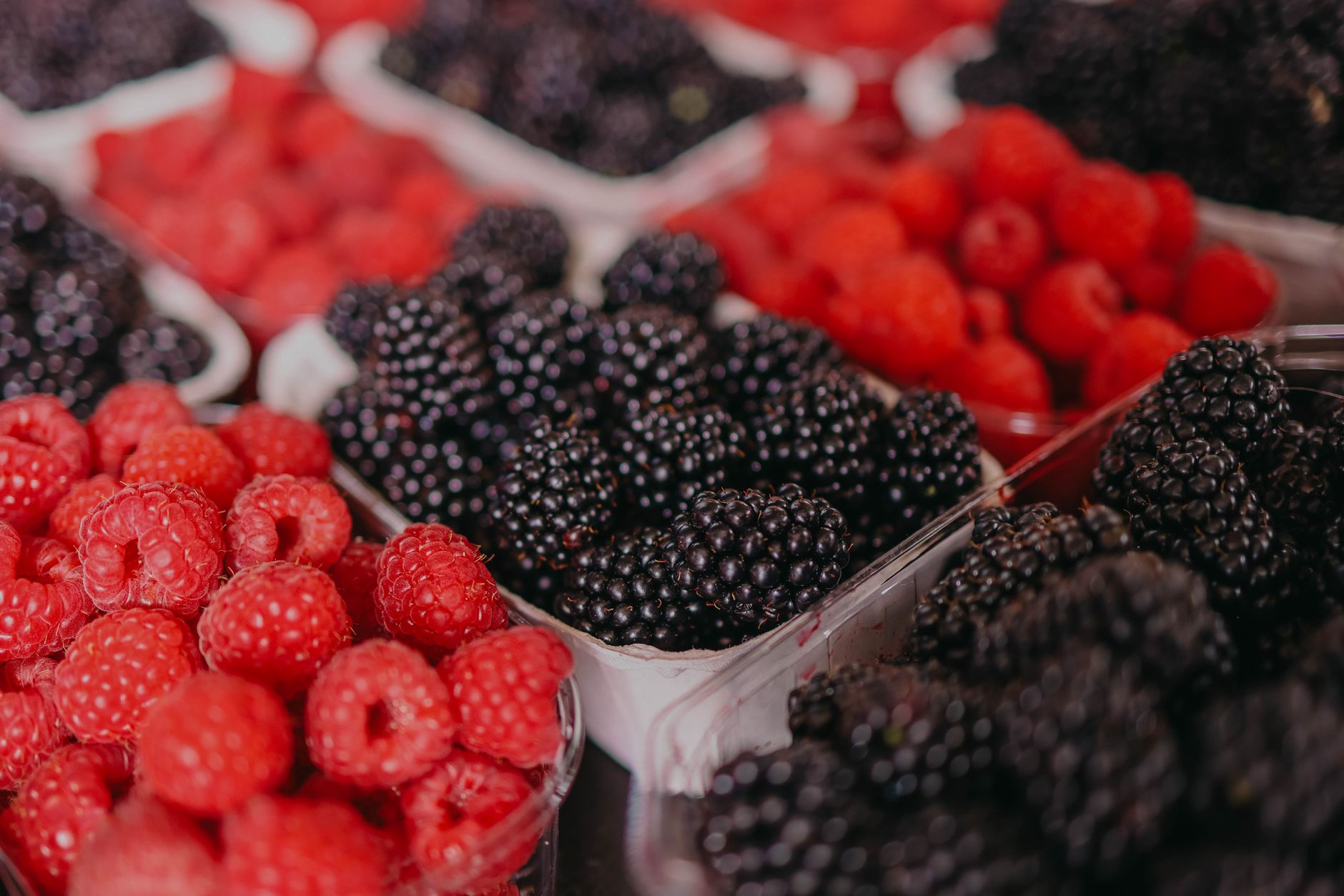
High-fiber foods for constipation
For ordinary constipation, more fiber genuinely helps, but which fiber and how you add it matters.
- Prunes have the best direct evidence of any food. In a randomized trial in people with chronic constipation, about 50 g of prunes twice a day (roughly a dozen prunes in total) worked better than psyllium. They bring sorbitol, an osmotic laxative, on top of their fiber. Prune juice keeps the sorbitol but loses most of the fiber.
- Kiwifruit is close behind. Two green kiwis a day improved bowel frequency in several trials, with fewer side effects than psyllium or prunes.
- Gel-forming soluble fiber softens stool, coarse insoluble fiber moves it. Oats, beans, pears and psyllium do the first. Wheat bran and whole grains do the second. A mix of both, from food, is the reasonable default.
- Drink with it. Fiber works by holding water. Adding a lot of fiber without enough fluid can make stools harder, not softer.
- Increase it gradually. Add roughly 5 grams a day each week. Gas and bloating in the first couple of weeks are normal and settle as gut bacteria adjust. Going from 12 g to 35 g in a day is how people conclude fiber "doesn't agree with them".
Two caveats. People with irritable bowel syndrome often find that some high-fiber foods make symptoms worse, usually the ones high in fermentable carbohydrates such as beans, onions and wheat; the low-FODMAP diet exists for exactly that problem. And constipation that is new, persistent, or comes with blood, weight loss or severe pain needs a doctor, not a bowl of bran.
Fiber supplements versus food
If food alone is not getting you there, psyllium husk has the strongest evidence among fiber supplements. It is a viscous, gel-forming soluble fiber that improves constipation, helps loose stools firm up, and lowers LDL cholesterol modestly. Methylcellulose and wheat dextrin are other common options; inulin is highly fermentable and the most likely to cause gas.
Take psyllium with a full glass of water, at least 8 oz, and do not take the dry powder or husks without liquid: it swells and can cause choking or an obstruction, and it is not suitable for people who have trouble swallowing. Fiber supplements can also slow the absorption of some medications, so take them a couple of hours apart from other pills.
What a supplement does not do is replace the foods. A scoop of psyllium has fiber and very little else. Beans, whole grains, fruit and vegetables come with potassium, magnesium, folate and polyphenols, and the long-term studies behind the fiber recommendations were studies of people eating those foods.

High-fiber, low-calorie foods
Fiber adds bulk without adding much energy, which is why high-fiber foods tend to be filling for their calories and useful in a calorie deficit. Ranked by fiber per 100 calories, the best are:
- Raspberries and blackberries: about 12 g of fiber per 100 kcal.
- Artichokes, cooked spinach and cauliflower: roughly 10 to 11 g per 100 kcal.
- Broccoli: about 9 g per 100 kcal.
- Lentils, beans and chia: around 6 to 7 g per 100 kcal, lower than vegetables but with far more protein, and far more filling per bowl.
Fiber also slows the absorption of the carbohydrate it comes with, which is part of why beans, lentils and intact whole grains sit at the low end of the glycemic index. For a practical first step, a bowl of oats with berries in the morning and a cup of beans at dinner adds roughly 20 grams to a typical day, which closes most of the gap on its own.