Chia seeds benefits: what the evidence supports, how much to eat, and how to eat them safely
One ounce of chia seeds has about 138 calories and almost 10 g of fiber. Chia seeds benefits, sorted by how strong the evidence is, how much a day, and why you should not eat them dry.
November 11, 2026 · 8 min read
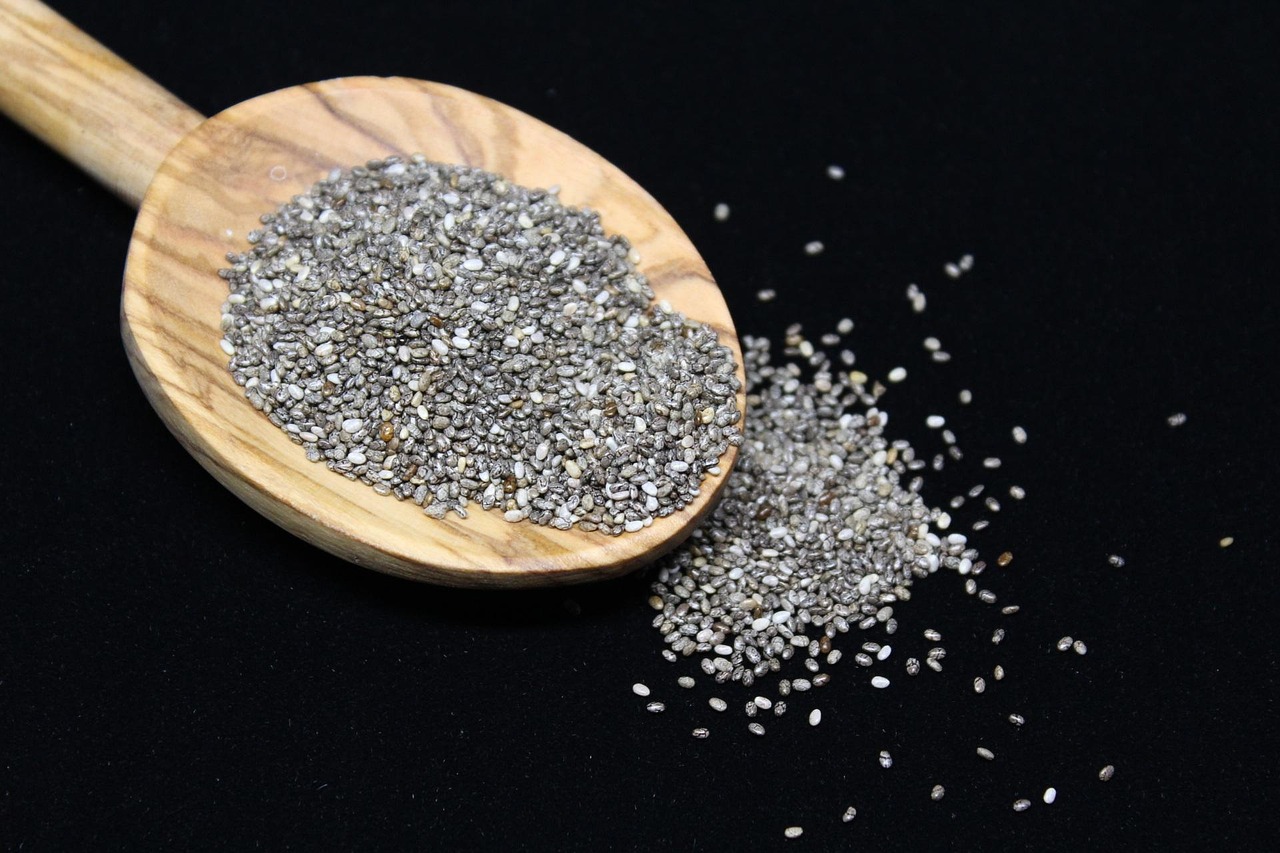
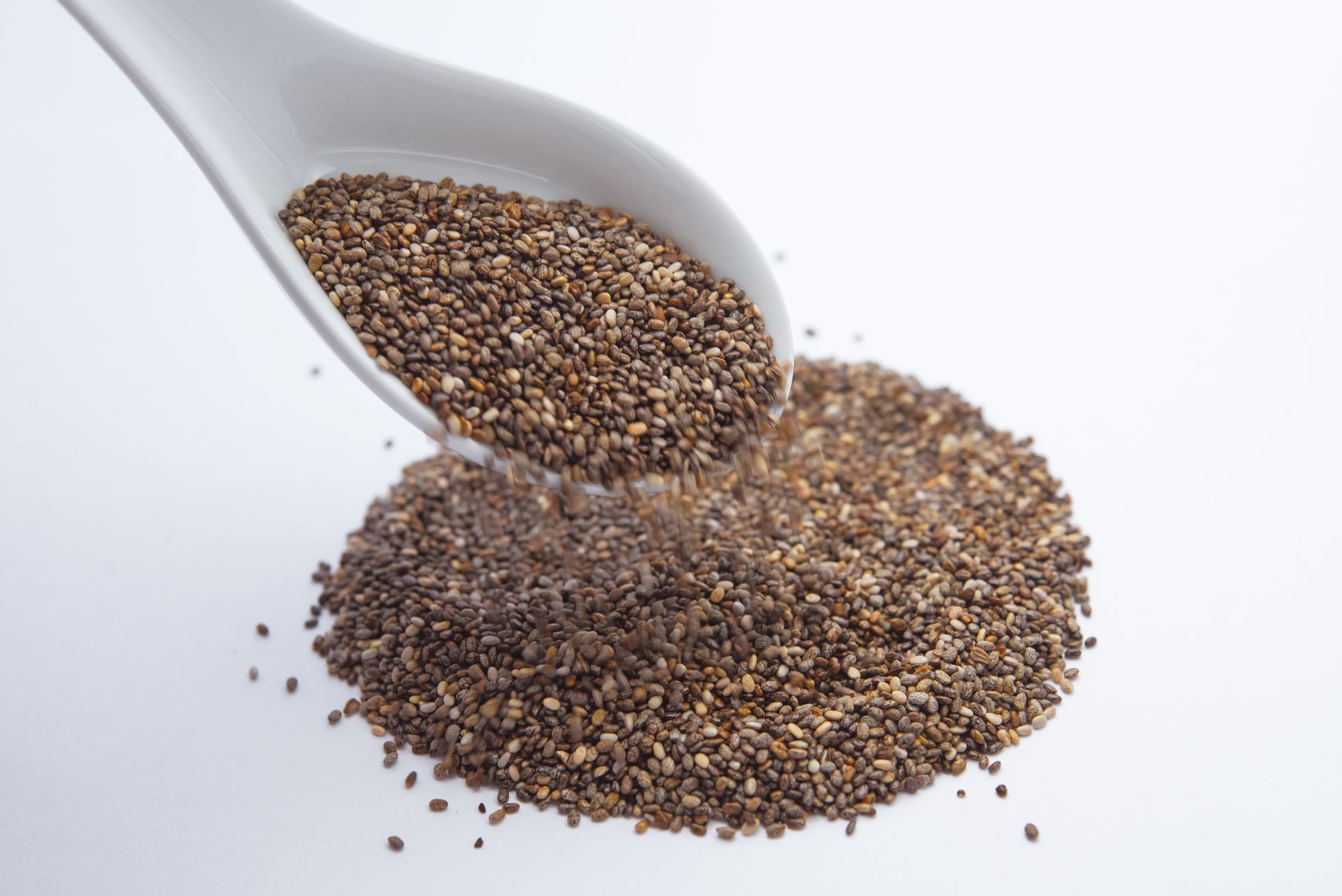
One ounce of chia seeds, 28 grams or a little over two tablespoons, contains about 138 calories and almost 10 grams of fiber. That fiber figure is the real story. It is more than a third of the 28-gram Daily Value in a portion small enough to stir into a glass of milk, and very few foods come close to it by weight.
Chia seeds have also been sold as a superfood that lowers blood pressure, burns fat and protects the heart. Some of those claims have a little support, and some have been tested and found wanting. This page goes through which is which.
Chia seeds nutrition facts
One ounce (28 g) of dried chia seeds contains roughly:
- 138 calories.
- 12 g of carbohydrate, of which about 10 g is fiber, leaving around 2 g of net carbs. Most of the fiber is insoluble; the soluble part forms the gel.
- 4.7 g of protein.
- 8.7 g of fat, about 5 g of it ALA, the plant omega-3 fatty acid. That is roughly three to four times the daily Adequate Intake of ALA (1.1 g for women, 1.6 g for men).
- About 180 mg of calcium, roughly 14% of the Daily Value.
- About 95 mg of magnesium, close to a quarter of the 420 mg Daily Value, which puts chia among the stronger magnesium-rich foods.
- About 2 mg of iron and a good amount of phosphorus.
A note on spoons: a level tablespoon of chia weighs somewhere around 10 to 12 grams, so the "2 tablespoons" on many packages may be a little less than an ounce. If you are counting fiber or calories closely, use the serving weight on the label.
Health benefits of chia seeds, and how strong the evidence is
Fiber and digestion: well supported
This is the benefit that does not depend on any special property of chia. Ten grams of fiber per ounce is a lot, and most Americans eat about half the fiber they should. Fiber helps regularity, feeds gut bacteria and is linked in large studies with lower rates of heart disease, type 2 diabetes and colorectal cancer. Chia is simply an efficient way to get it. The list of high-fiber foods shows where it ranks: near the top per ounce.
Feeling full: some support
Soaked chia forms a thick gel that slows stomach emptying. Small studies have found chia added to yogurt or a morning snack increased feelings of fullness and reduced how much people ate soon after. The effect is real in the short term; whether it changes weight over months is a separate question.
Weight loss: not supported
When it has been tested directly, chia has not produced weight loss. A 12-week trial in which overweight adults ate 50 grams of chia a day found no change in body weight, body fat or disease risk markers compared with a placebo. Chia is filling, but it is also 138 calories an ounce. It helps weight loss only if it replaces something more calorific.
Blood sugar: modest support
Several small trials have found that adding chia to bread or other carbohydrate foods reduced the rise in blood sugar after the meal, likely because of the gel and the fiber. The effect seems to be dose-dependent and is strongest when chia is eaten with the carbohydrate, not separately. Longer-term effects on blood sugar control in people with diabetes are less clear.
Heart health and blood pressure: weak and mixed
Chia's ALA is a real omega-3, and diets higher in ALA are associated with somewhat lower heart disease risk. But the body converts only a small fraction of ALA into EPA and DHA, the omega-3s found in fish, so chia is not a substitute for salmon. A few small trials found reductions in blood pressure, mostly in people who already had high blood pressure; others found no effect on blood pressure or cholesterol. The honest verdict is "possibly a little, not proven".
For where ALA sits next to other fats, the page on healthy fats has the comparison.
How much chia seed a day?
There is no official recommendation. Most studies use 15 to 50 grams a day, and 1 to 2 tablespoons a day is a common, comfortable amount. That gives about 4 to 8 grams of fiber.
If you do not eat much fiber now, start with a teaspoon or two and build up over a week or two, drinking more water as you go. A sudden jump from 15 grams of fiber a day to 35 is what produces bloating and gas, and that is the most common complaint about chia.
How to eat chia seeds safely
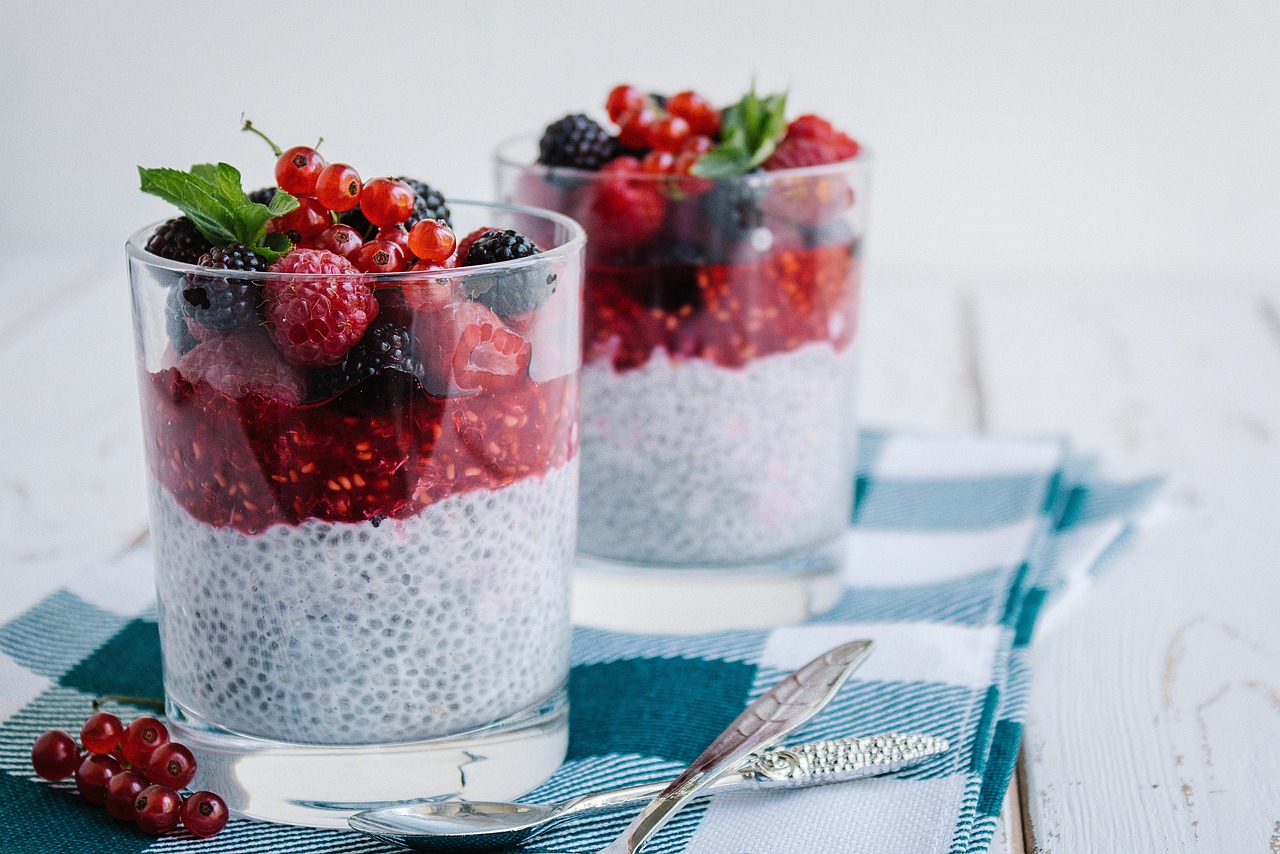
Chia seeds can absorb many times their weight in liquid and swell into a gel. That is what makes them useful, and it is also the one real safety issue: do not eat a spoonful of dry chia seeds and then drink water. There is a published case of a man who did exactly that and ended up with a plug of expanded seeds stuck in his esophagus, which had to be removed endoscopically. The risk is low, but higher for anyone who has trouble swallowing or a history of esophageal narrowing.
The safe ways are easy:
- Soak them first. Stir into milk, yogurt or juice and wait at least 10 to 15 minutes, or overnight. Stir again after a few minutes, or they clump.
- Mix them into something wet, such as oatmeal, smoothies or yogurt, where they hydrate as you eat.
- Sprinkle a small amount on salads or cereal, rather than eating them dry by the spoonful.
- Bake with them, in muffins or bread. A tablespoon of chia with three tablespoons of water, left for 10 minutes, also works as an egg substitute in many baked goods.
Unlike flaxseed, chia does not have to be ground for its fiber to do its job, and whole seeds are what most studies used. For omega-3, though, grinding may matter: one small trial found ground chia raised blood ALA levels while the same amount of whole seeds did not.
Chia pudding
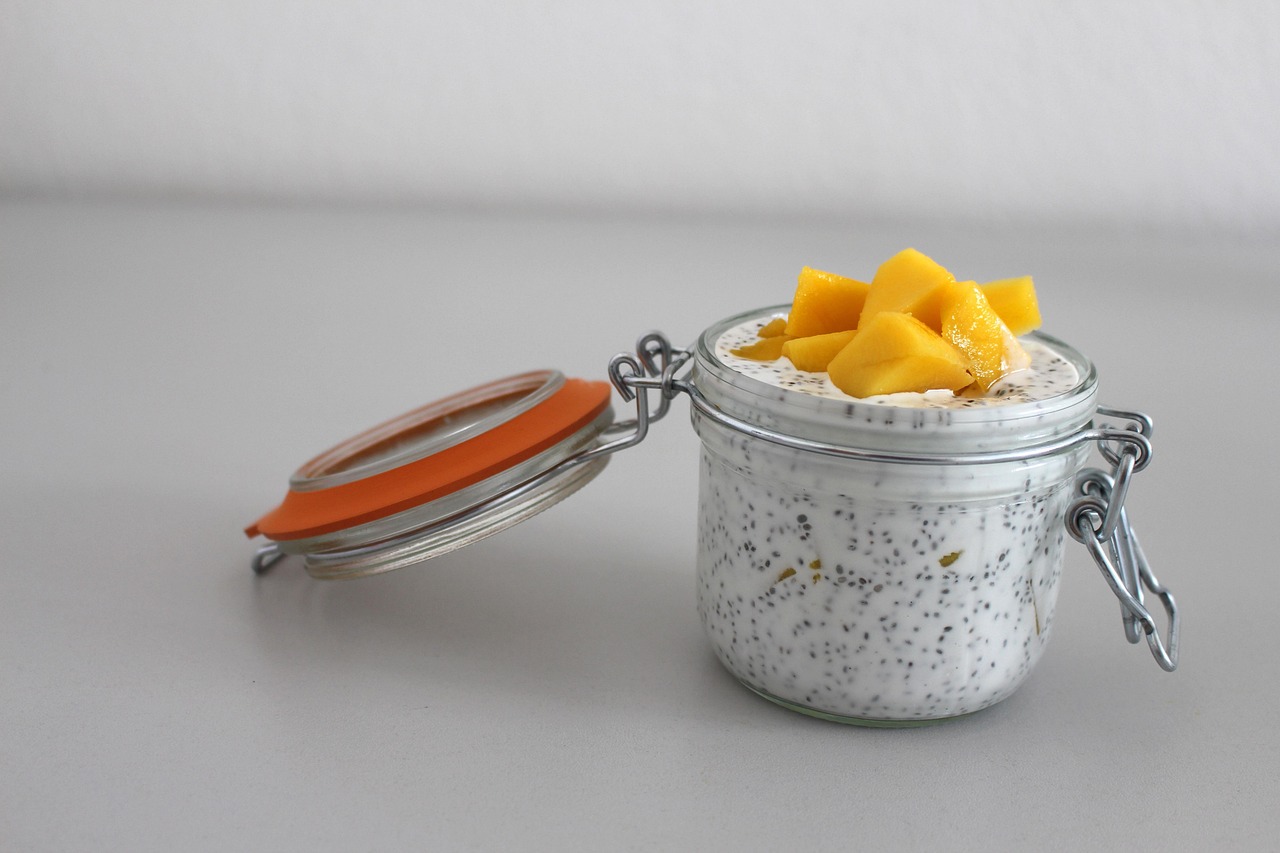
Chia pudding is the most popular way to eat chia, and it is the easiest way to get a full serving in one go. The basic ratio is about one part chia to four or five parts milk by volume, stirred, left for a few minutes, stirred again and refrigerated overnight. Our chocolate chia pudding uses cocoa and a little maple syrup and gives 11 grams of fiber a serving. Chia also thickens overnight oats and turns them creamier.
Chia pudding made with milk and a little sweetener is a reasonable breakfast. One made with coconut cream, sweetened condensed milk or large amounts of sugar is a dessert, whatever it looks like.
Side effects and who should be careful
- Digestive symptoms. Bloating, gas and either loose stools or constipation are the common side effects, almost always from too much too fast or not enough fluid.
- Swallowing problems. As above: always eat chia soaked or mixed into something wet if you have any difficulty swallowing.
- Blood thinners and blood pressure medication. Omega-3 fats can have a mild blood-thinning effect, and chia may lower blood pressure slightly. At normal food amounts the effect is likely small, but if you take anticoagulants or blood pressure medication and plan to eat large amounts every day, mention it to your doctor.
- Allergy. Chia allergy is uncommon but has been reported; stop eating it if you notice itching, hives or swelling.
Chia vs flaxseed
They are often compared. An ounce of whole flaxseed has slightly more calories (about 150), somewhat less fiber (about 7.6 g) and a little more ALA (about 6.4 g). Flaxseed needs to be ground to be digested; whole flax seeds often pass straight through. Chia forms a stronger gel and keeps longer without going rancid. Both are good foods; chia is more convenient.
The honest summary
The well-supported benefit of chia seeds is fiber: about 10 grams an ounce, plus useful magnesium, calcium and plant omega-3. The claims about weight loss have been tested and not held up, and the heart and blood pressure claims are weak. Eat them soaked, start small, drink water, and treat them as an easy way to add fiber rather than a treatment for anything.