Edamame nutrition: the protein, the fiber, and the soy questions answered
Edamame nutrition per cup shelled: about 188 calories, 18 g of complete protein and 8 g of fiber, plus more than a day's folate. What the evidence says about soy, and how to cook it frozen.
November 11, 2026 · 6 min read
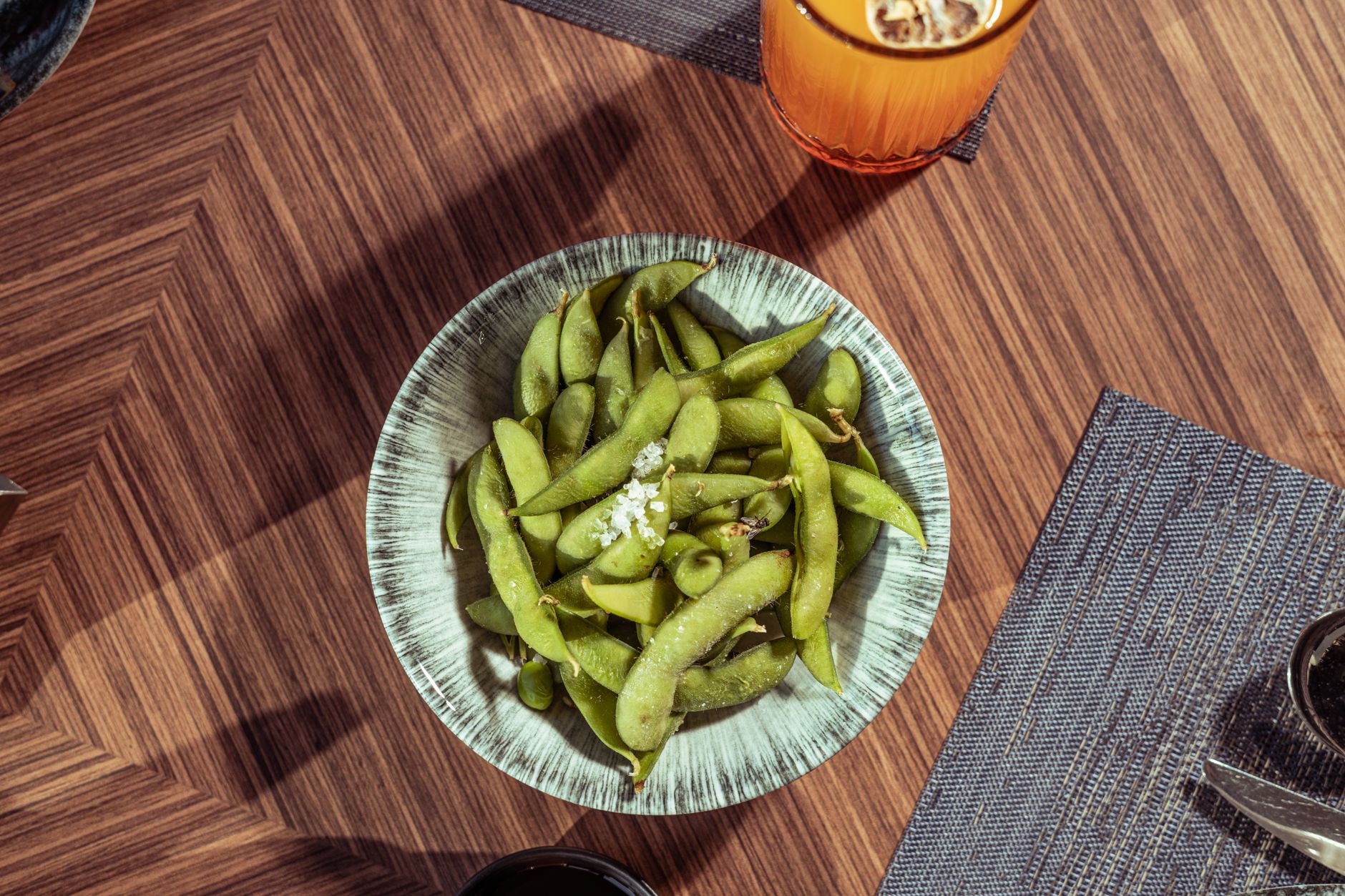
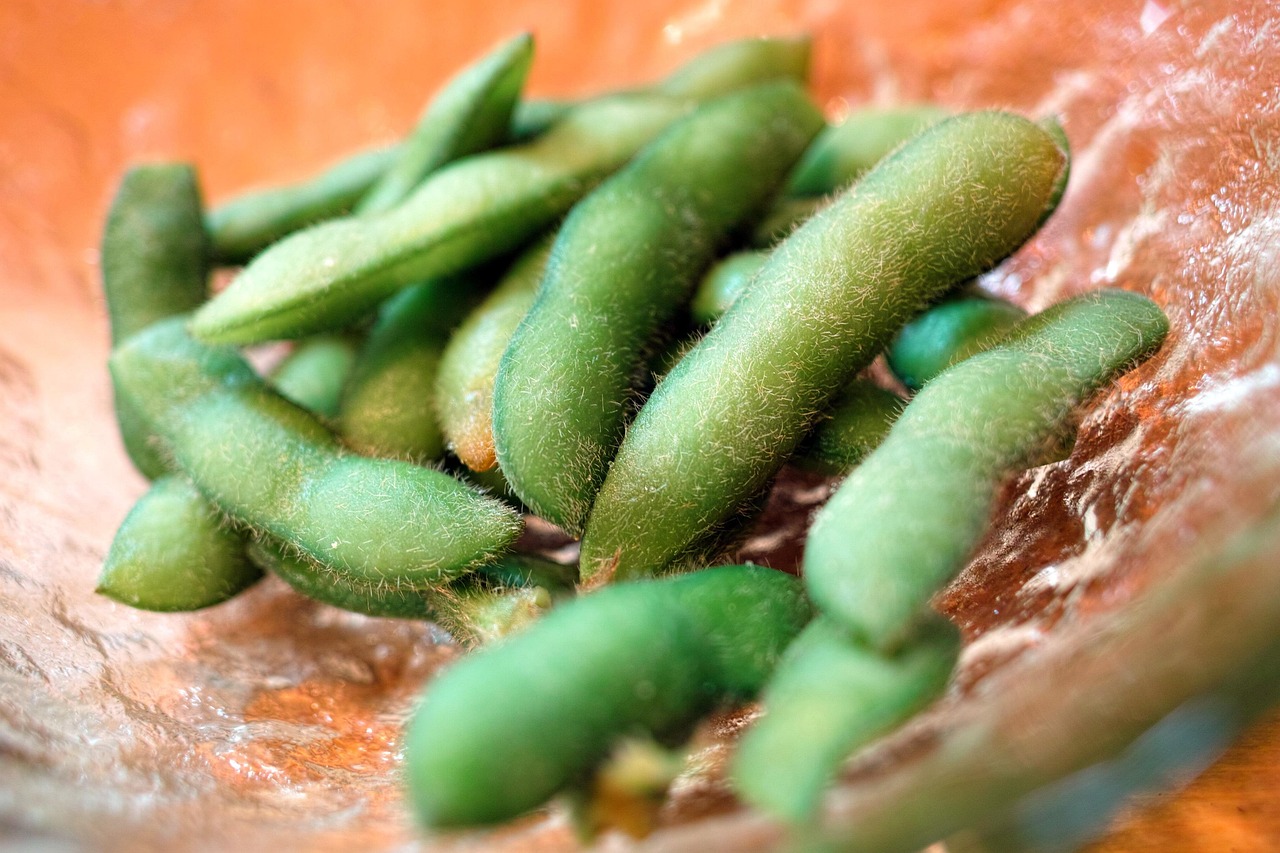
Photograph by khezez | خزاز on Pexels
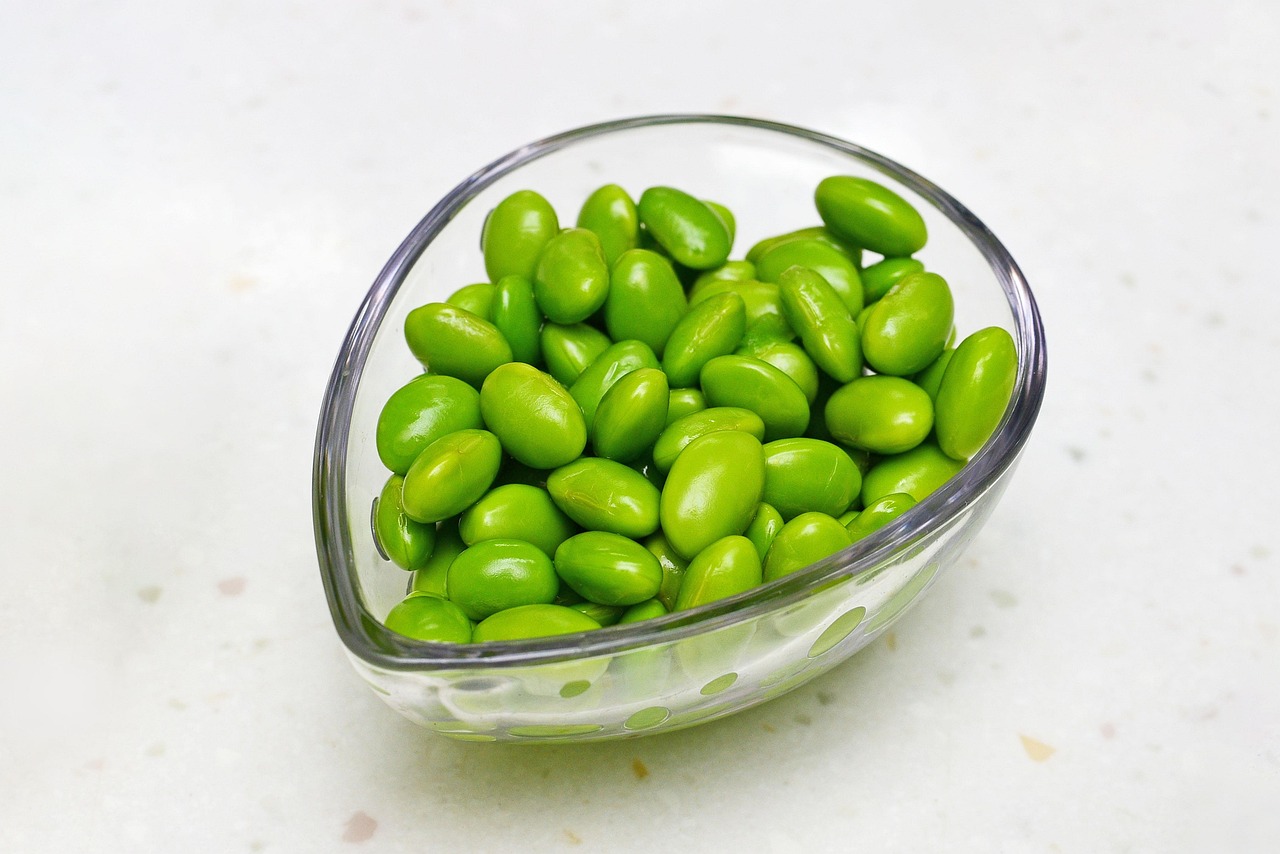
One cup of shelled, cooked edamame (about 155 grams) has around 188 calories, 18 grams of protein and 8 grams of fiber. That is more protein per calorie than lentils, chickpeas or black beans, because edamame are soybeans picked young, and soy is the one legume whose protein holds up against meat and dairy.
Edamame nutrition facts, per cup
Rounded from USDA data for frozen shelled edamame, cooked, one cup contains roughly:
- 188 calories.
- 18 g of protein, more than a third of the 50-gram Daily Value.
- 8 g of fiber, close to 30% of the 28-gram Daily Value.
- 14 g of carbohydrate, so only about 6 g of net carbohydrate once fiber is taken off, and about 3 g of sugar.
- 8 g of fat, mostly unsaturated.
- About 480 µg of folate, more than the full Daily Value in one cup.
- About 100 mg of magnesium, close to a quarter of the 420-milligram Daily Value.
- About 680 mg of potassium, around 3.5 mg of iron and a good amount of vitamin K and manganese.
A half cup, a typical side or snack portion, is about 95 calories and 9 grams of protein. Edamame in the pod weigh more for the same amount of beans, because the pods are inedible, so if you are counting, weigh or measure after shelling.
Is edamame a complete protein?
Yes. Most plant proteins are low in at least one essential amino acid; beans and lentils are short on methionine, grains on lysine. Soy has all nine essential amino acids in proportions close to what the body needs, and it scores near animal proteins on the standard digestibility-corrected measures of protein quality.
That matters most if you eat little or no meat. For a vegetarian or vegan, edamame, tofu and tempeh are the easiest ways to get high-quality protein without having to think about combining foods. The vegan diet guide covers the rest of that planning.
Edamame protein vs other beans
Here is how a cup of cooked edamame compares with a cup of other common cooked legumes, using USDA figures:
| Per cup, cooked | Calories | Protein | Fiber |
|---|---|---|---|
| Edamame, shelled | about 188 | about 18 g | about 8 g |
| Lentils | about 230 | about 18 g | about 16 g |
| Black beans | about 227 | about 15 g | about 15 g |
| Chickpeas | about 269 | about 14.5 g | about 12.5 g |
| Green peas | about 134 | about 9 g | about 9 g |
| Mature soybeans | about 296 | about 31 g | about 10 g |
Lentils match edamame on protein per cup, but edamame get there with fewer calories and much less starch. The trade-off is fiber: lentils and black beans have nearly twice as much. Mature soybeans, the dried beans that become tofu and soy milk, are higher in everything, including fat and calories, because they are fully ripe and drier.
For where edamame sit among all protein sources, animal and plant, see the list of high-protein foods.
Is edamame healthy?
On the nutrition alone it is hard to fault. It is high in protein and fiber, low in sugar, and rich in folate, magnesium and potassium, the last two of which many Americans fall short of. It is also one of the better plant sources of magnesium per serving, which puts it on the list of magnesium-rich foods, and its fiber makes it a good fit among high-fiber foods.
Its low net carbohydrate also makes edamame one of the few beans that fit a lower-carb diet. A half cup is about 3 grams of net carbs.
The real questions people have about edamame are not about any of that. They are about soy.
Soy concerns, weighed honestly
Soy contains isoflavones, plant compounds that can bind to estrogen receptors. That fact has generated decades of worry. The research on soy foods eaten in normal amounts is now large, and most of it is reassuring.
Breast cancer
Isoflavones are sometimes called phytoestrogens, but they act differently from human estrogen and much more weakly. In large observational studies, especially in Asian populations who eat soy throughout life, soy intake is linked with no increase in breast cancer risk and, in several studies, a lower one. Studies of breast cancer survivors have found that eating soy foods is not linked to a higher chance of recurrence. The American Cancer Society considers soy foods safe to eat for people with and without a history of breast cancer. That conclusion is about whole soy foods like edamame and tofu; concentrated isoflavone supplements have not been studied as well and are a different question.
Thyroid
Soy does not cause hypothyroidism in people with a healthy thyroid who get enough iodine. It can, however, reduce absorption of levothyroxine, the standard thyroid replacement medication. If you take it, the usual advice is to keep a consistent soy intake and take the pill well apart from soy foods. Talk to your doctor before making big changes to how much soy you eat.
Hormones in men
Meta-analyses of clinical trials have found that soy protein and isoflavones at typical dietary intakes do not lower testosterone or raise estrogen in men.
Allergy and digestion
Soy is one of the nine major food allergens in the US, and a real soy allergy rules out edamame entirely. Like other beans, edamame can cause gas if you are not used to them, so increase portions gradually and drink enough water as your fiber intake rises.
Frozen edamame: how to cook it
Most edamame in US stores are frozen, either in the pod or shelled. They are blanched before freezing, so they need only a short cook. Soybeans contain compounds that interfere with protein digestion when raw, which is one reason not to eat them uncooked.
- Boil: drop frozen edamame into salted boiling water. Shelled beans take about 3 to 4 minutes, pods about 5. Drain and salt.
- Steam or microwave: follow the bag, usually a few minutes with a splash of water, covered.
- Pan-fry in the pod: after boiling, toss pods in a hot skillet with a little oil, garlic and chili flakes until they char in spots.
- Roast: thaw shelled edamame, pat dry, toss with a teaspoon of oil and salt, and roast at 400°F for 20 to 25 minutes, shaking the pan, until crisp. They make a crunchy snack that keeps for a day or two.
To eat edamame in the pod, put the pod in your mouth and pull it through your teeth to pop the beans out. The pod itself is too tough to eat.
Ways to use shelled edamame
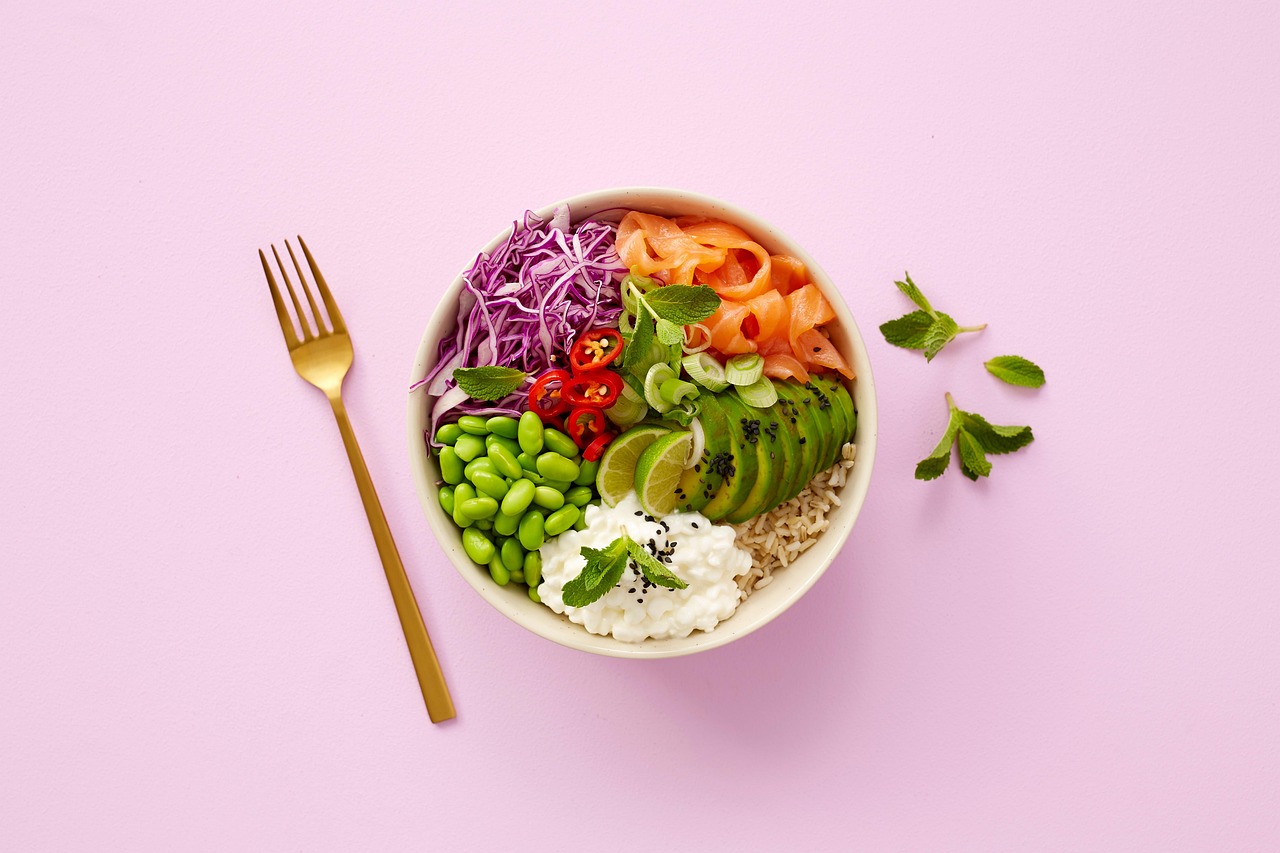
Shelled edamame have a mild, sweet, slightly grassy flavor and a firm bite that holds up in cold dishes. Toss them into grain bowls and salads in place of chickpeas, stir them into fried rice or noodle soups in the last few minutes, or blend them with lemon, garlic and olive oil into a green dip that works like hummus. A half cup added to a lunch adds about 9 grams of protein with almost no effort.
To see how much protein you need in a day, and how far a cup of edamame takes you, try the protein calculator.