Greek yogurt protein: how much is in a cup, and why straining doubles it
Greek yogurt protein runs to about 17 g in a 6-ounce cup of plain nonfat, nearly twice regular yogurt. Here is why straining does that, what it costs in calcium, and how to read the label.
November 11, 2026 · 7 min read
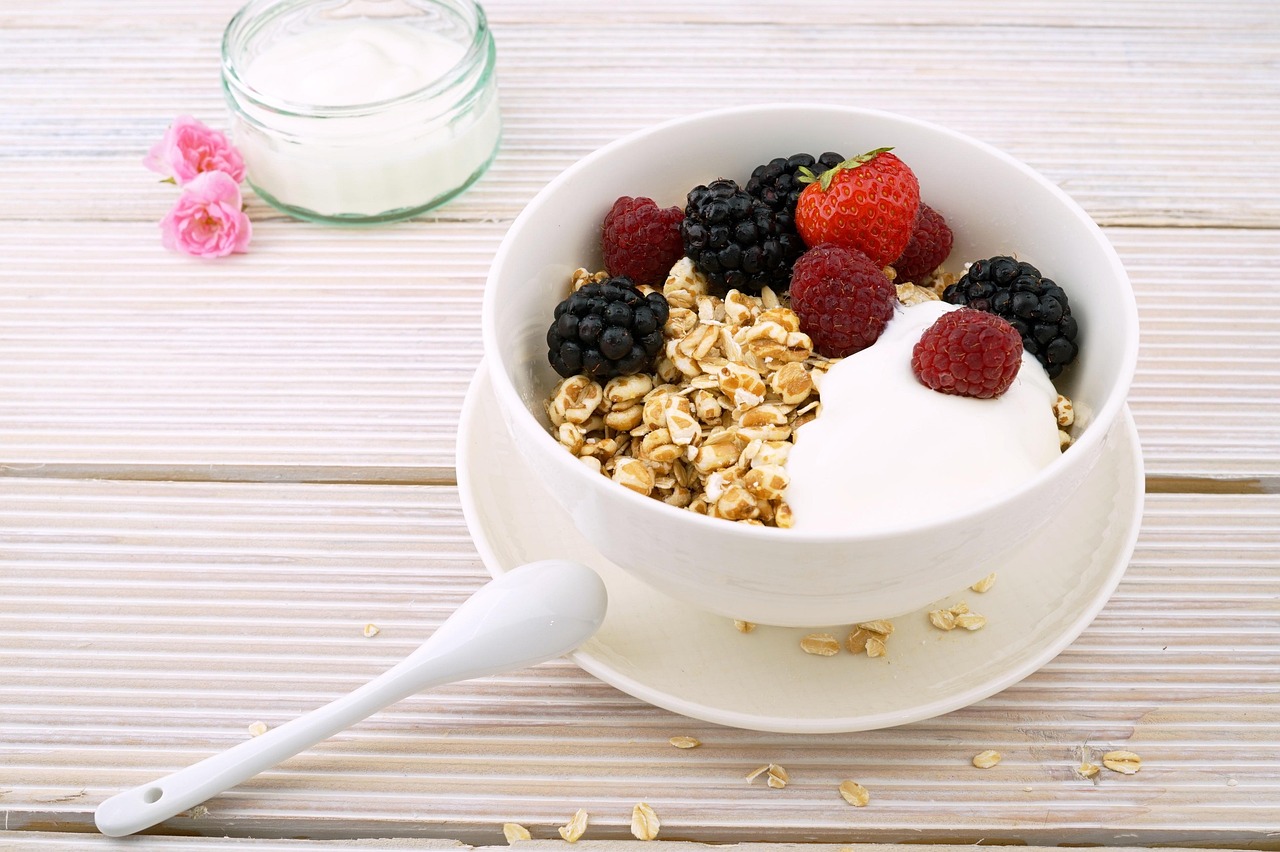
A 6-ounce cup of plain nonfat Greek yogurt has about 17 grams of protein for about 100 calories. The same cup of ordinary plain low-fat yogurt has about 9 grams. That gap of nearly double is the whole reason Greek yogurt took over the dairy aisle, and it comes from one step in how it is made.
Greek yogurt protein, by fat level
The figures below are rounded from USDA data for plain, unsweetened Greek yogurt. Fat level changes the calories much more than it changes the protein.
| Plain Greek yogurt | Per 6 oz (170 g) | Per cup (245 g) |
|---|---|---|
| Nonfat (0%) | about 17 g protein, 100 kcal | about 25 g protein, 145 kcal |
| Low-fat (2%) | about 17 g protein, 125 kcal | about 24 g protein, 180 kcal |
| Whole milk (about 5%) | about 15 g protein, 165 kcal | about 22 g protein, 240 kcal |
Whole-milk Greek yogurt has slightly less protein per cup because some of its weight is fat. The difference is a couple of grams, so choose the fat level by taste and by how many calories you want, not by protein.
A 6-ounce cup of nonfat Greek yogurt also has about 6 grams of carbohydrate, almost all of it the milk sugar lactose, around 190 milligrams of calcium and only about 60 milligrams of sodium.

Greek yogurt vs regular yogurt: why straining doubles the protein
Greek yogurt starts as ordinary yogurt. It is then strained, traditionally through cloth and now usually by centrifuge or membrane filtration, to remove much of the liquid whey. That liquid is mostly water, with lactose and some minerals dissolved in it. The milk proteins, especially casein, stay behind in the thick curd.
Remove that much water and everything left is concentrated. It takes roughly three times as much milk to make a cup of Greek yogurt as a cup of regular yogurt. So you get:
- About twice the protein per cup.
- Less sugar and carbohydrate, because lactose drains away with the whey.
- Less calcium. Some calcium leaves with the whey too, so a cup of plain regular yogurt usually has more calcium than a cup of Greek. If calcium is your main reason for eating yogurt, regular yogurt is the better pick.
Be careful with "Greek-style" on a label. Some products reach a thick texture by adding milk protein concentrate, starch, gelatin or pectin rather than by straining. They are not necessarily worse, but the ingredient list tells you which you are buying.
Which Greek yogurt has the most protein?
The honest answer is: read the label, because the spread between products is real and it changes when brands reformulate. A few rules make the comparison quick.
- Compare protein per ounce or per 100 grams, not per container. Cups range from about 5.3 to 7 ounces, and a bigger cup can look higher in protein just by being bigger.
- Plain beats flavored. Fruit, syrups and granola toppers take up weight that would otherwise be yogurt. A flavored cup nearly always has less protein than the plain version of the same yogurt.
- Nonfat and low-fat edge out whole milk, by a gram or two per serving.
- Skyr is usually at the top. Icelandic skyr is strained even further, typically from skim milk, and generally has as much protein as nonfat Greek yogurt or a little more. In Iceland it is traditionally classed as a fresh cheese, but it is eaten exactly like yogurt.
- "High-protein" lines get their numbers from extra straining, ultrafiltration or added milk protein. Check the price per gram of protein against a plain tub of ordinary Greek yogurt.
Large tubs of plain Greek yogurt are almost always the cheapest protein per gram in the yogurt case, and they let you control the sugar yourself.
Added sugar in flavored Greek yogurt
The Nutrition Facts panel lists "Total Sugars" and, separately, "Added Sugars". Plain Greek yogurt shows a few grams of total sugar from lactose and zero added sugar. That natural sugar is not a concern.
Flavored Greek yogurt is a different product. Fruit-on-the-bottom and dessert-flavored cups frequently carry 10 grams or more of added sugar, a fifth of the 50-gram Daily Value in a single snack. Some "light" versions use low-calorie sweeteners instead, which keeps the calories down but not the sweetness habit.
The simplest fix is to buy plain and add fruit. Half a cup of berries and a teaspoon of honey or maple syrup is less sugar than most flavored cups, and it tastes like fruit rather than flavoring.

Is Greek yogurt good for you?
Plain Greek yogurt is about as close to an unambiguously good everyday food as dairy gets, for people who tolerate dairy.
- Protein for very few calories. That makes it filling, and it is why Greek yogurt features on most lists of high-protein foods and in a lot of weight-loss plans.
- Live cultures. Most Greek yogurt contains live bacteria from fermentation. Look for "live and active cultures" on the label. The research on specific health effects of yogurt bacteria is still developing, so treat this as a likely plus rather than a cure for anything.
- Type 2 diabetes. In 2024 the FDA allowed a qualified health claim that eating at least 2 cups of yogurt a week may reduce the risk of type 2 diabetes. "Qualified" is the important word: the FDA itself describes the supporting evidence as limited, and it comes from observational studies.
- Lactose. Straining removes much of the lactose, and the cultures digest some of the rest. Many people who are mildly lactose intolerant handle Greek yogurt well.
The downsides are mostly about what is added: sugar in flavored cups, and the calories in whole-milk versions if you eat large amounts. People with a milk allergy should avoid it entirely; lactose intolerance and milk allergy are different conditions.
Greek yogurt vs cottage cheese
Per half cup the two are close on protein, with 1% cottage cheese often slightly ahead. Greek yogurt has far less sodium, around 60 milligrams for 6 ounces against several hundred in the same amount of cottage cheese, and more calcium. The full comparison is in cottage cheese nutrition.
Ways to use Greek yogurt
Plain Greek yogurt can replace sour cream, mayonnaise or cream in a lot of everyday cooking, adding protein and taking away fat.
- Tzatziki. This is where the thickness matters most. Use whole-milk Greek yogurt for tzatziki; nonfat makes a thinner, sharper sauce, and regular yogurt would have to be strained first.
- Breakfast. It is the base of high-protein overnight oats and goes into the batter of protein pancakes. A parfait of yogurt, fruit and a spoonful of nuts or granola is the five-minute version.
- Salads and sandwiches. Swapping most of the mayonnaise for Greek yogurt is how the egg salad and tuna salad here keep their calories down without tasting thin.
- Ranch dressing. Stir plain Greek yogurt with a little buttermilk or milk to loosen it, then add garlic, onion powder, dill, chives, salt and pepper. It is thicker and tangier than bottled ranch, with a fraction of the fat.
- Smoothies. Half a cup adds about 11 to 12 grams of protein and makes a smoothie thick without ice cream.
- Baking. It replaces some of the butter or oil in banana bread while keeping the loaf moist.
Frozen Greek yogurt bars and Greek yogurt "ice cream" are desserts first: the protein is real, but so is the added sugar. Read the label as you would for ice cream.

Cooking with it without curdling
Greek yogurt splits if it boils, because the proteins tighten and squeeze out the whey. To stir it into a hot sauce or soup, take the pan off the heat first, mix a few spoonfuls of the hot liquid into the yogurt to warm it, then stir the mixture back in. Whole-milk yogurt is more forgiving than nonfat. Keep opened tubs refrigerated and use them within about a week; a little liquid on top is whey, and you can stir it back in.
To work out how much of your day's protein a cup covers, use the protein calculator.