Cottage cheese nutrition: protein and calories by fat level, and the sodium on the label
Cottage cheese nutrition in one number: half a cup has 12 to 14 g of protein for 80 to 110 calories. The catch is 350 to 460 mg of sodium, and how to pick a tub with less.
November 11, 2026 · 8 min read
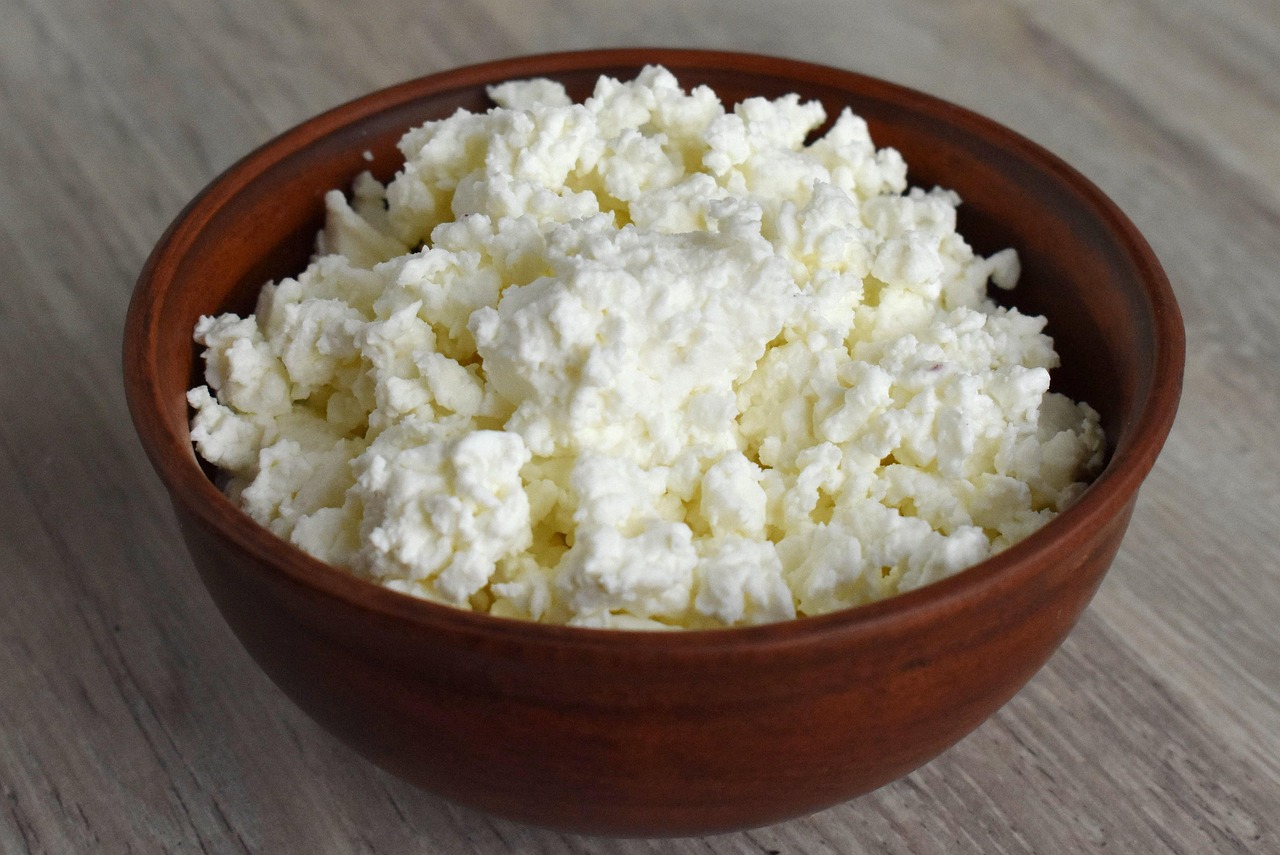
Half a cup of cottage cheese, about 113 grams, has 12 to 14 grams of protein for somewhere between 80 and 110 calories, depending on the fat level. Very few foods you can eat with a spoon get that close to pure protein. The catch is on the same label, two lines down: that half cup also carries 350 to 460 milligrams of sodium.
Both facts matter, and most of what follows is about how to keep the first one and manage the second.
Cottage cheese nutrition facts, by fat level
Cottage cheese is sold in three main styles in the US: nonfat, low-fat (1% or 2% milkfat) and full-fat, which is about 4% and usually labeled "classic" or simply "cottage cheese". The figures below are rounded from USDA data for plain cottage cheese. Brands vary a little, mostly in sodium.
| Per 1/2 cup (113 g) | Calories | Protein | Fat | Carbs | Sodium |
|---|---|---|---|---|---|
| Nonfat | about 80 | about 12 g | 0 g | about 7 g | about 420 mg |
| 1% low-fat | about 80 | about 14 g | about 1 g | about 3 g | about 460 mg |
| 2% low-fat | about 90 | about 12 g | about 2.5 g | about 5 g | about 350 mg |
| 4% full-fat | about 110 | about 12.5 g | about 5 g | about 4 g | about 410 mg |
Double everything for a full cup (about 226 grams): roughly 165 to 220 calories and 24 to 28 grams of protein. A cup of 4% cottage cheese is about 220 calories, 25 grams of protein, 10 grams of fat and around 820 milligrams of sodium.
Two things stand out. First, the fat level changes the calories much less than people expect, because the protein stays about the same: going from 4% to 2% saves about 20 calories per half cup. Second, nonfat cottage cheese often has more carbohydrate, because some brands replace the texture of the fat with added milk solids or starch. Pick the one you like eating. The difference is small.
Cottage cheese protein: why it is mostly casein
Cottage cheese is made by curdling milk with acid or cultures and draining off the liquid whey. Milk protein is about 80% casein and 20% whey protein, and casein is what forms the curd. Most of the whey protein drains away with the liquid, so what stays in the tub is mainly casein.
Casein clots in the stomach and is digested slowly, releasing amino acids over several hours. That is the basis for the advice to eat cottage cheese before bed if you lift weights. The evidence for that specific timing is modest: total protein across the day matters far more than when you eat it. What slow digestion does reliably is keep you full, which is the more useful property for most people.
It is also a complete protein, with all the essential amino acids, which is why it sits near the top of any list of high-protein foods. To see how a cup fits into a day's target, run your numbers through the protein calculator.
High-protein cottage cheese
Some newer tubs are sold as high-protein cottage cheese. They usually get there by ultrafiltration, which removes water and lactose and concentrates the milk before the curd is made, or by adding milk protein concentrate. They can be a good buy, but compare the protein line per half cup with a standard tub before paying more. Ordinary 1% cottage cheese is already one of the most protein-dense dairy foods there is.
The other nutrients, and the one it is weaker in
Beyond protein, a half cup of cottage cheese gives you a useful amount of vitamin B12 (roughly a fifth of the Daily Value), along with phosphorus, selenium and riboflavin. B12 is worth noting for vegetarians who eat dairy; the vitamin B12 foods list puts it in context.
Calcium is the surprise. Because cottage cheese is acid-set and drained, a lot of the milk's calcium leaves with the whey. A half cup has only about 70 to 125 milligrams, depending on the fat level and brand, less than a tenth of the 1,300-milligram Daily Value. A cup of milk or plain yogurt has three to four times as much. If you are counting on dairy for calcium, cottage cheese is the weakest option in the case.
It is also not lactose-free. A half cup has a few grams of lactose, more than hard aged cheeses like cheddar or Parmesan. People who are mildly lactose intolerant often tolerate it in small portions; lactose-free versions exist for those who do not.
Sodium, and low sodium cottage cheese
Salt is not just seasoning in cottage cheese. It goes in with the creamy dressing, helps keep the cheese from spoiling and balances the tang of the curd. The result is that a single cup can carry 700 to 900 milligrams of sodium, a third or more of the 2,300-milligram daily limit, from what most people think of as a plain, healthy food.
For most healthy people that is a number to account for rather than a reason to stop. For anyone with high blood pressure, heart failure or kidney disease, or who has been told to cut sodium, it is worth acting on. The label terms are regulated:
- No salt added cottage cheese has very little sodium, usually well under 100 milligrams per half cup. It tastes noticeably flatter, so a squeeze of lemon, black pepper or chopped chives helps.
- Low sodium means 140 milligrams or less per serving.
- Reduced sodium or "less sodium" only means at least 25% less than the regular version, which can still be over 300 milligrams per half cup.
Rinsing cottage cheese in a fine sieve also removes some sodium, though it takes some of the creamy dressing with it. It works fine when the cheese is going into a batter or a baked dish.
Is cottage cheese good for you?
For most people, yes, with the sodium caveat. It delivers a large amount of complete protein for its calories, it is filling, and it is cheap compared with most other protein sources. It works on a weight-loss plan precisely because of that protein-to-calorie ratio: a cup of 1% is around 165 calories and 28 grams of protein, which is hard to beat with anything that does not need cooking.
The fat level is a smaller question than it looks. Research on dairy fat and heart disease has become more mixed than the old low-fat advice suggested, and the calorie gap between 2% and 4% is modest. If full-fat cottage cheese keeps you from reaching for something else, it is a reasonable choice. If you are watching saturated fat for a specific reason, 1% or 2% gives up very little.
Where it is a poor fit: people on a strict sodium limit who cannot find a no-salt-added tub, anyone with a milk allergy, and people who need dairy mainly for calcium.
How to use cottage cheese
The texture is the main objection, and blending fixes it. Blended cottage cheese is smooth, thick and mild, and it slides into recipes where you would not guess it was there.
- Pancakes. Blended with oats and eggs, it makes cottage cheese pancakes with about 25 grams of protein a serving and no protein powder.
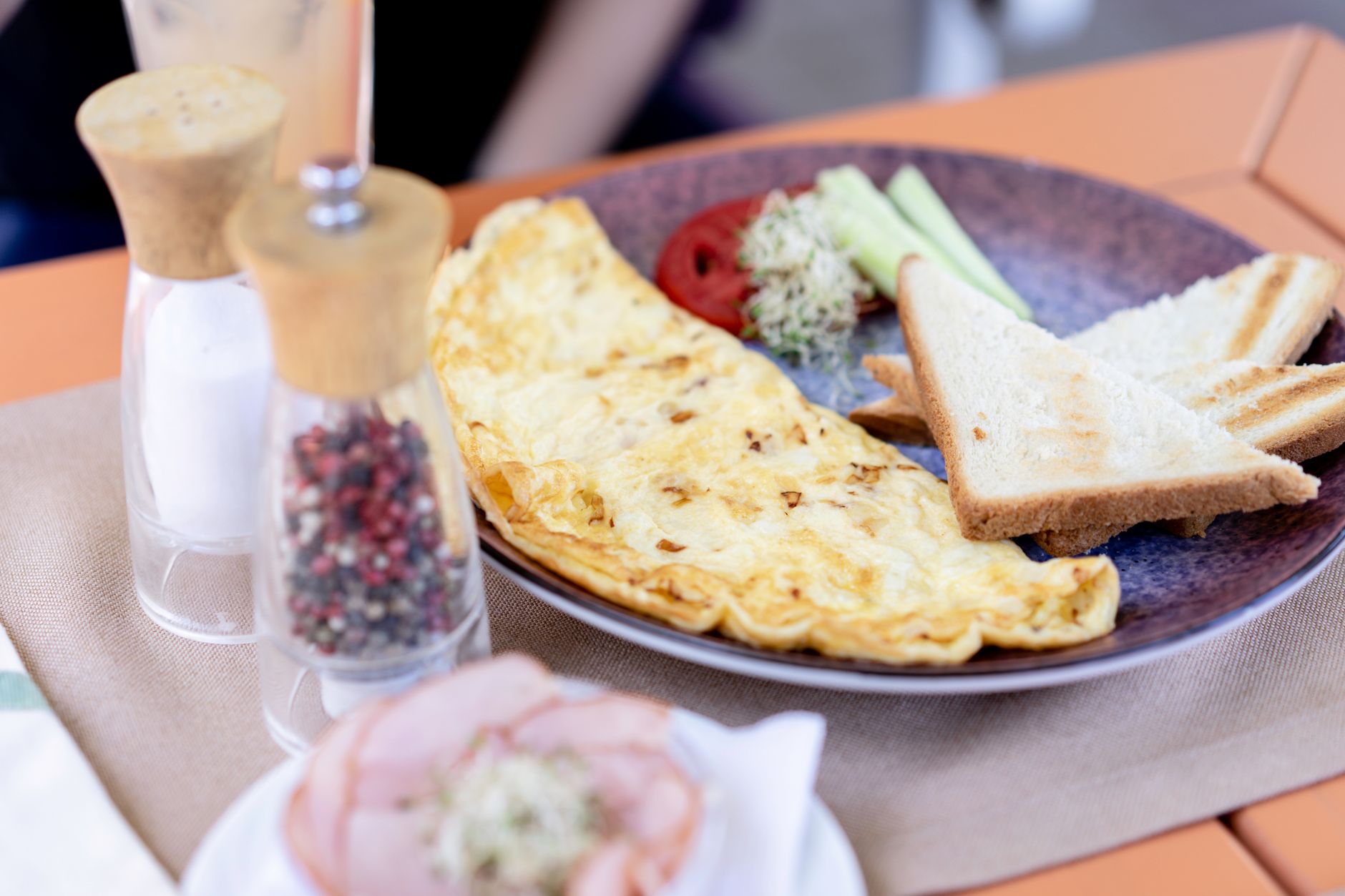
- Eggs. Stirring a few spoonfuls into scrambled eggs just before they set makes them creamier and adds protein. Blended into the eggs for egg muffins and baked in a water bath, it gives the soft, custardy texture of coffee-shop egg bites.
- Overnight oats. A quarter cup blended into the milk for high-protein overnight oats adds about 6 grams of protein.
- Lasagna. Cottage cheese has long been the cheaper substitute for ricotta in lasagna. Blend it briefly if you want it to taste more like ricotta.
- Savory or sweet bowls. Topped with tomatoes, cucumber and black pepper, or with berries and a little honey, it is a five-minute lunch or snack.
The viral cottage cheese "bread" or flatbread, made by blending cottage cheese with eggs and baking it thin, is closer to a firm omelet than to bread. It is a fine high-protein wrap, but treat it as an egg dish.
Cottage cheese vs Greek yogurt
The two are the usual rivals for a high-protein snack. Per half cup they are close on protein, with 1% cottage cheese slightly ahead of most nonfat Greek yogurt. Greek yogurt has far less sodium and somewhat more calcium; cottage cheese is more filling for some people because of the casein and the chew. If sodium is a concern, Greek yogurt is the easier daily habit. If it is not, alternate between them.
Buying and storing it
Small curd and large curd are the same cheese cut into different sizes, with the same nutrition. Check the ingredient list: the simplest tubs are cultured milk, cream and salt, while some add gums or stabilizers to keep the dressing from separating. "Live and active cultures" on the label means it still contains bacteria from fermentation, which not all cottage cheese does.
Once opened, keep it cold and use it within about a week, and always use a clean spoon. If it smells sour or sharp rather than mildly milky, or there is any mold, throw out the tub.