Magnesium-rich foods: the list, and what supplements can and cannot do
Magnesium rich foods ranked: one ounce of pumpkin seeds has about 155 mg, 37% of the 420 mg Daily Value. Plus glycinate vs citrate, sleep and cramp evidence, and the 350 mg limit.
November 11, 2026 · 6 min read
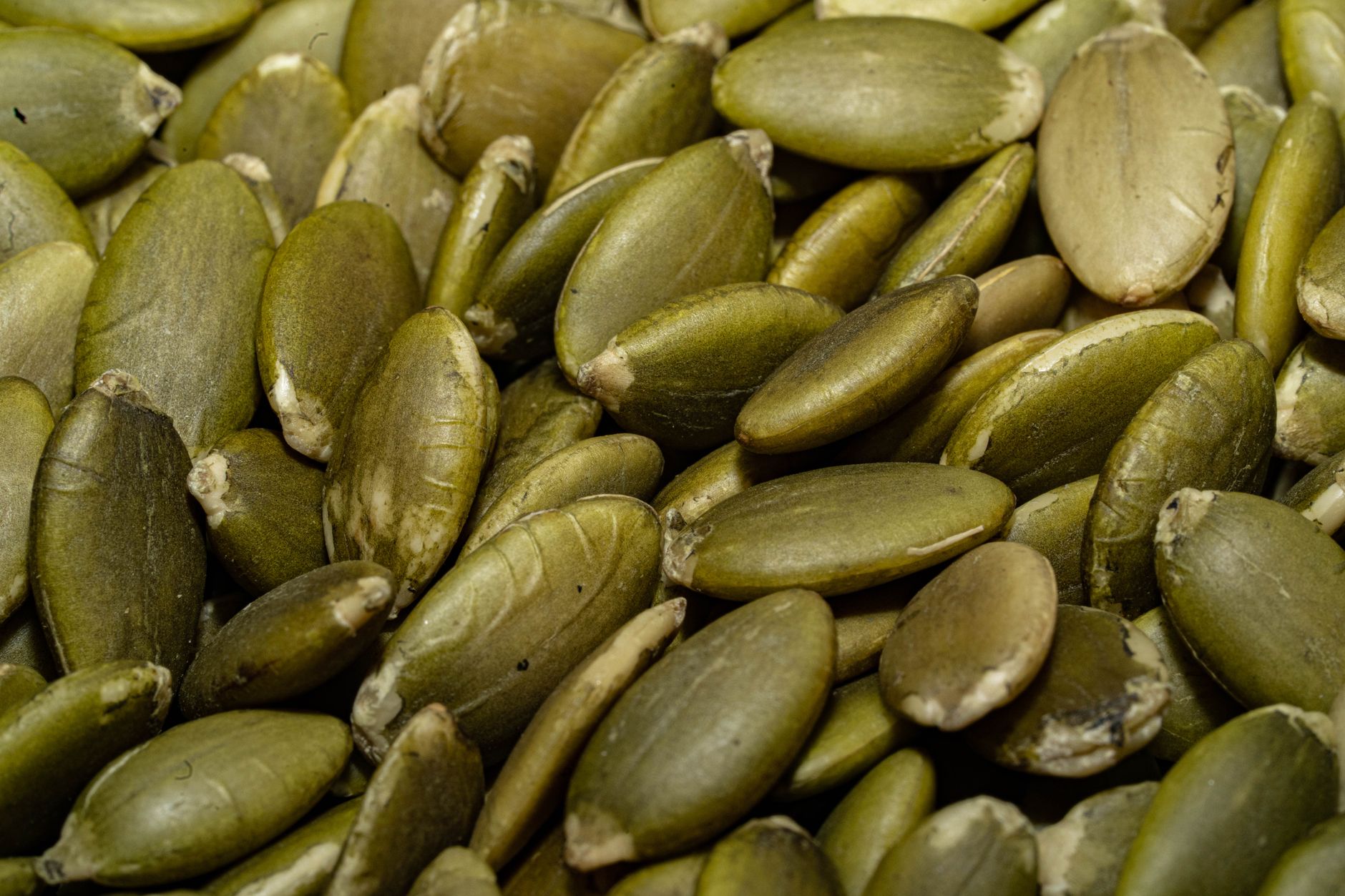
Photograph by Alberta Studios on Pexels
Magnesium is involved in hundreds of enzyme reactions, from energy production to muscle contraction to the rhythm of the heart, and surveys consistently find that a large share of American adults eat less than the recommended amount. That combination has made it one of the most heavily marketed supplements on the shelf, sold for sleep, cramps, anxiety and stress.
The food side of the story is straightforward and well supported. The supplement side is mostly weaker than the marketing, with a few real exceptions. Both are below, with amounts rounded from USDA FoodData Central and the NIH magnesium fact sheet.
How much magnesium you need
The Daily Value on US labels is 420 mg. The RDA depends on age and sex:
- Women: 310 mg a day from 19 to 30, and 320 mg from 31 on. Pregnancy raises it to 350 to 360 mg.
- Men: 400 mg a day from 19 to 30, and 420 mg from 31 on.
The body holds most of its magnesium in bone and inside cells, and only about 1% circulates in the blood, so a normal blood test does not rule out low body stores. Frank deficiency is uncommon in healthy people because the kidneys conserve magnesium when intake drops. The people more likely to run low are those with type 2 diabetes, gastrointestinal conditions such as Crohn's or celiac disease, heavy alcohol use, older adults, and people on long-term proton pump inhibitors or some diuretics.
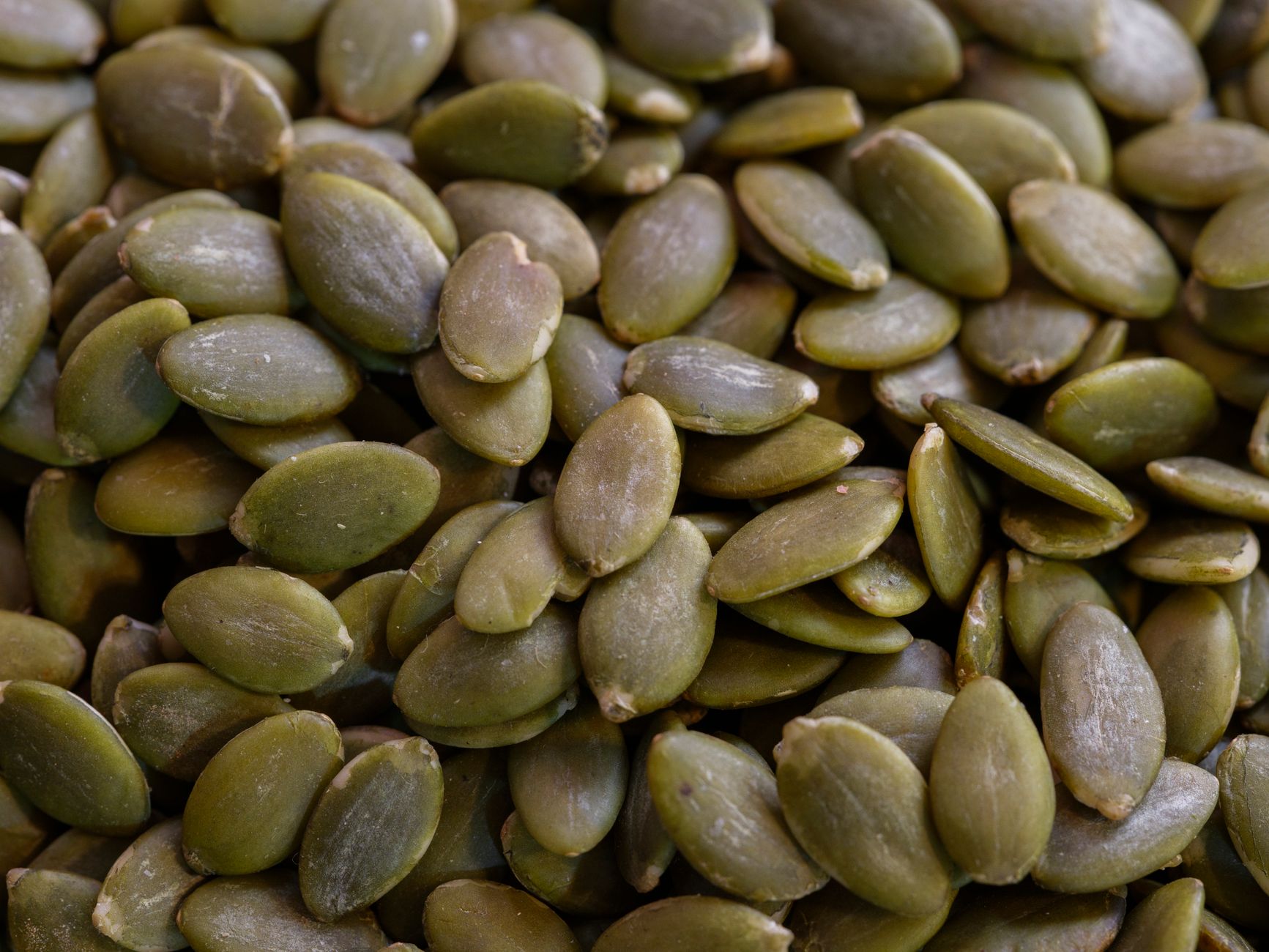
Foods high in magnesium
| Food | Serving | Magnesium | % DV |
|---|---|---|---|
| Hemp seeds, hulled | 3 tbsp (30 g) | about 210 mg | 50% |
| Pumpkin seeds, roasted | 1 oz | about 155 mg | 37% |
| Spinach, cooked | 1 cup | about 155 mg | 37% |
| Swiss chard, cooked | 1 cup | about 150 mg | 36% |
| Black beans, cooked | 1 cup | about 120 mg | 29% |
| Quinoa, cooked | 1 cup | about 120 mg | 28% |
| Edamame, shelled | 1 cup | about 100 mg | 24% |
| Chia seeds | 1 oz (about 2 tbsp) | about 95 mg | 23% |
| Almonds, dry roasted | 1 oz | about 80 mg | 19% |
| Cashews, dry roasted | 1 oz | about 75 mg | 18% |
| Dark chocolate, 70 to 85% cocoa | 1 oz | about 65 mg | 15% |
| Peanuts, roasted | 1/4 cup | about 63 mg | 15% |
| Soy milk | 1 cup | about 60 mg | 15% |
| Peanut butter | 2 tbsp | about 50 mg | 12% |
| Potato, baked with skin | 3.5 oz | about 45 mg | 10% |
| Brown rice, cooked | 1/2 cup | about 40 mg | 10% |
| Plain low-fat yogurt | 8 oz | about 40 mg | 10% |
| Banana | 1 medium | about 30 mg | 8% |
| Salmon, cooked | 3 oz | about 25 mg | 6% |
Pumpkin seeds and magnesium
Pumpkin seeds (pepitas) are the easiest high-magnesium food to eat every day: a small handful on oatmeal, salad or soup covers more than a third of the Daily Value. Hemp seeds are denser still per spoonful. Both bring protein and some iron, and both are calorie-dense, so an ounce is a serving, not a bag.
Greens, beans and whole grains
Magnesium sits at the center of the chlorophyll molecule, which is why dark leafy greens are good sources. Spinach is also high in oxalate, which reduces how much of its magnesium is absorbed, much as it does with iron, but it still contributes. Beans, lentils and edamame are the steadier sources, and they overlap heavily with the potassium-rich and high-fiber lists.
Whole grains matter because refining strips most of the magnesium out with the bran and germ. White flour and white rice keep a fraction of what the whole grain had, and enrichment adds back iron and B vitamins but not magnesium. A quinoa salad with chickpeas, or a bowl of three-bean chili, is a good magnesium meal.
Nuts, seeds and dark chocolate
Almonds and cashews are solid sources at around a fifth of the Daily Value an ounce. Chia seeds are not far behind pumpkin seeds; a chocolate chia pudding pairs them with cocoa, another good source. Dark chocolate genuinely counts at 70% cocoa and above, though a 1-ounce square is the serving the numbers apply to.
Magnesium supplements: what the forms mean
Supplements come bound to different compounds, and the form changes both how well it is absorbed and how hard it is on the gut.
- Magnesium oxide has a high magnesium content per tablet but is poorly absorbed. It is cheap, common, and works well as a laxative and antacid for exactly that reason.
- Magnesium citrate is better absorbed than oxide and is also an effective osmotic laxative at higher doses. It is the form most often used for constipation.
- Magnesium glycinate (bisglycinate) is magnesium bound to the amino acid glycine. It is generally gentler on the gut, which is its real advantage. The claim that glycinate specifically calms or improves sleep better than other forms is not supported by good trials.
- Chloride, lactate and aspartate are also well absorbed. Magnesium sulfate is Epsom salt; there is no good evidence that a bath delivers meaningful magnesium through the skin.
Does magnesium help with sleep, cramps or migraine?
Sleep. A handful of small trials, mostly in older adults, have found modest improvements in sleep measures with magnesium. Systematic reviews rate that evidence as low quality, and it is not clear whether the benefit applies to anyone who is not already low. It is a reasonable, low-risk thing to try for someone whose diet is short on magnesium. It is not a sleeping pill.
Muscle cramps. A Cochrane review concluded that magnesium is unlikely to prevent ordinary leg cramps in older adults. The evidence for cramps in pregnancy is mixed and does not clearly show a benefit either.
Migraine. This is where the evidence is strongest. Magnesium is listed in US headache guidelines as probably effective for preventing migraine, usually at doses of around 400 to 600 mg a day, which is above the supplement upper limit and should be done with a doctor.
Constipation. Magnesium works reliably here, as an osmotic laxative, which is a drug effect rather than a nutritional one.

The upper limit, and who should not take magnesium supplements
The tolerable upper limit for adults is 350 mg a day from supplements and medications. It does not apply to magnesium in food, which the kidneys handle without trouble. Above that, the common effects are diarrhea, nausea and cramping, which is the same laxative effect described above.
- Kidney disease is the important exception. The kidneys are how the body gets rid of excess magnesium, and with reduced kidney function it can build up to toxic levels, causing low blood pressure, weakness, confusion and heart rhythm problems. People with chronic kidney disease should not take magnesium supplements, or magnesium-containing laxatives and antacids, without their doctor's approval.
- Medicine interactions. Magnesium binds to some antibiotics (tetracyclines and fluoroquinolones such as ciprofloxacin) and to osteoporosis drugs called bisphosphonates, reducing their absorption. Take these at least two hours apart, and check timing with a pharmacist.
- Some medicines lower magnesium. Long-term proton pump inhibitors and loop and thiazide diuretics can deplete it. If you take these, it is a reasonable thing to ask your doctor to check.
For most people, a food-first approach does the job: a handful of pumpkin seeds or almonds a day, beans a few times a week, whole grains instead of refined ones, and greens. That combination covers the RDA without reaching for a bottle, and brings the fiber and potassium that magnesium supplements do not.