Potassium-rich foods: why bananas are not the top, and who should be careful
Potassium rich foods ranked per serving: a baked potato has about 925 mg, over twice a banana. The 4,700 mg Daily Value, blood pressure, and the medicines that make it risky.
November 11, 2026 · 7 min read
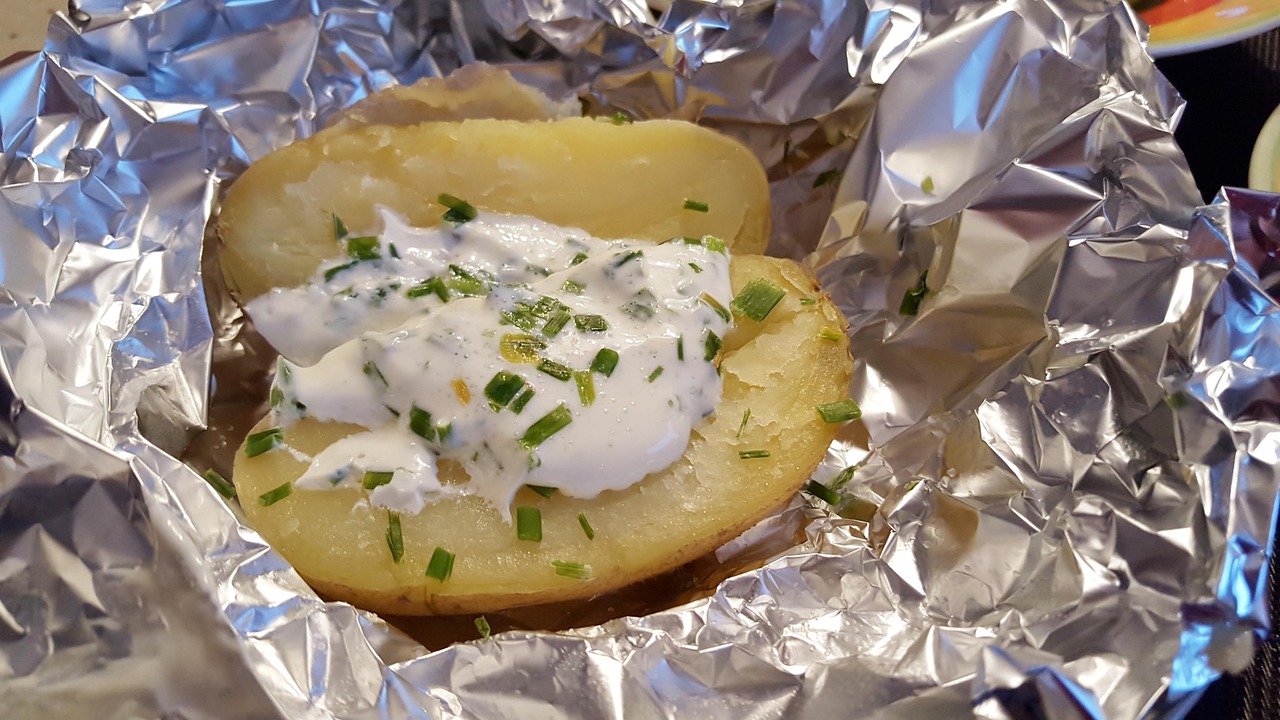
Ask anyone to name a potassium-rich food and they will say banana. A medium banana has about 420 mg, which is a respectable 9% of the Daily Value and nowhere near the top of the list. A baked potato with its skin has more than twice as much. So does a cup of canned white beans, and a cup of cooked spinach has about twice as much.
Potassium is also one of the nutrients the Dietary Guidelines name as being under-consumed across the US population, and one of the few where too much, for a specific group of people, is genuinely dangerous. Both halves of that are below.
How much potassium you need
The Daily Value on US food labels is 4,700 mg. The National Academies revised the adequate intake down in 2019, to 3,400 mg a day for men and 2,600 mg for women, after concluding there was not enough evidence to support the older, higher figure. Labels still use 4,700 mg as the reference. Either way, typical American intakes sit below the target, mostly because the diet is low in vegetables, fruit and beans.
For healthy people with normal kidneys, potassium from food is not a risk: the kidneys excrete what is not needed. The groups for whom that is not true are listed further down, and they matter.
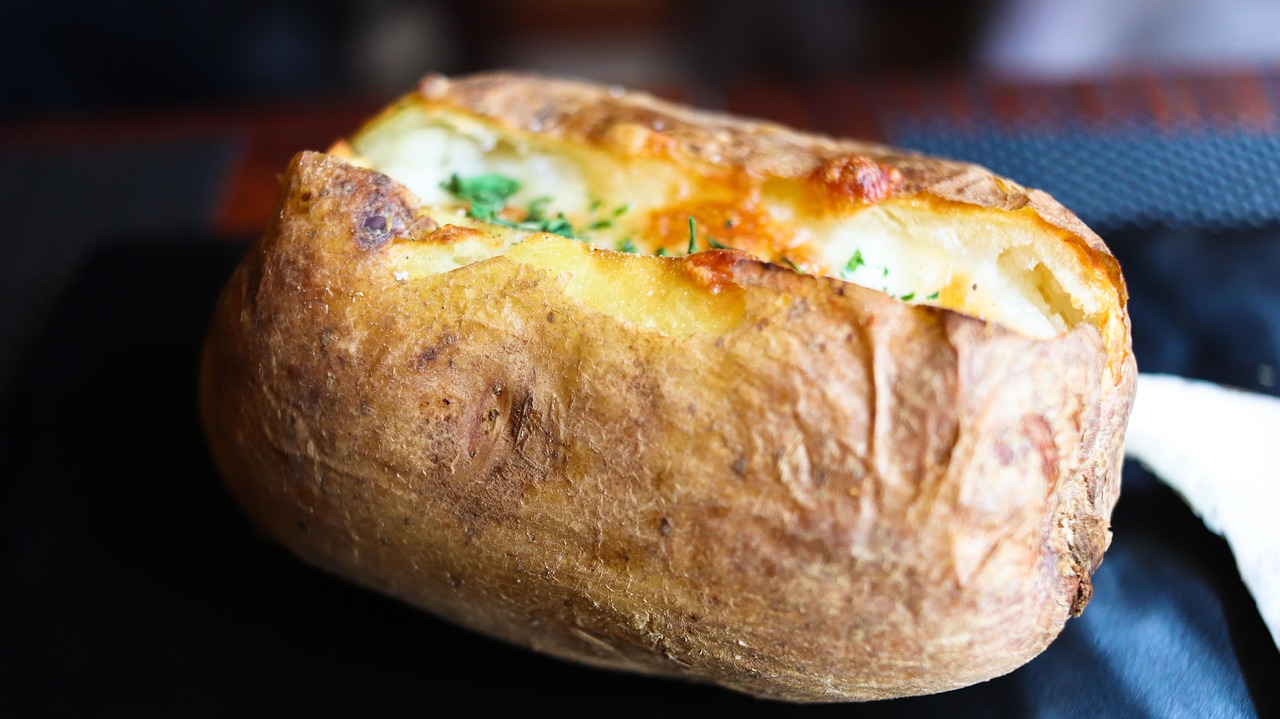
Foods high in potassium
Ordered roughly by potassium in a realistic serving. Values are rounded from USDA FoodData Central and the NIH potassium fact sheet.
| Food | Serving | Potassium | % DV |
|---|---|---|---|
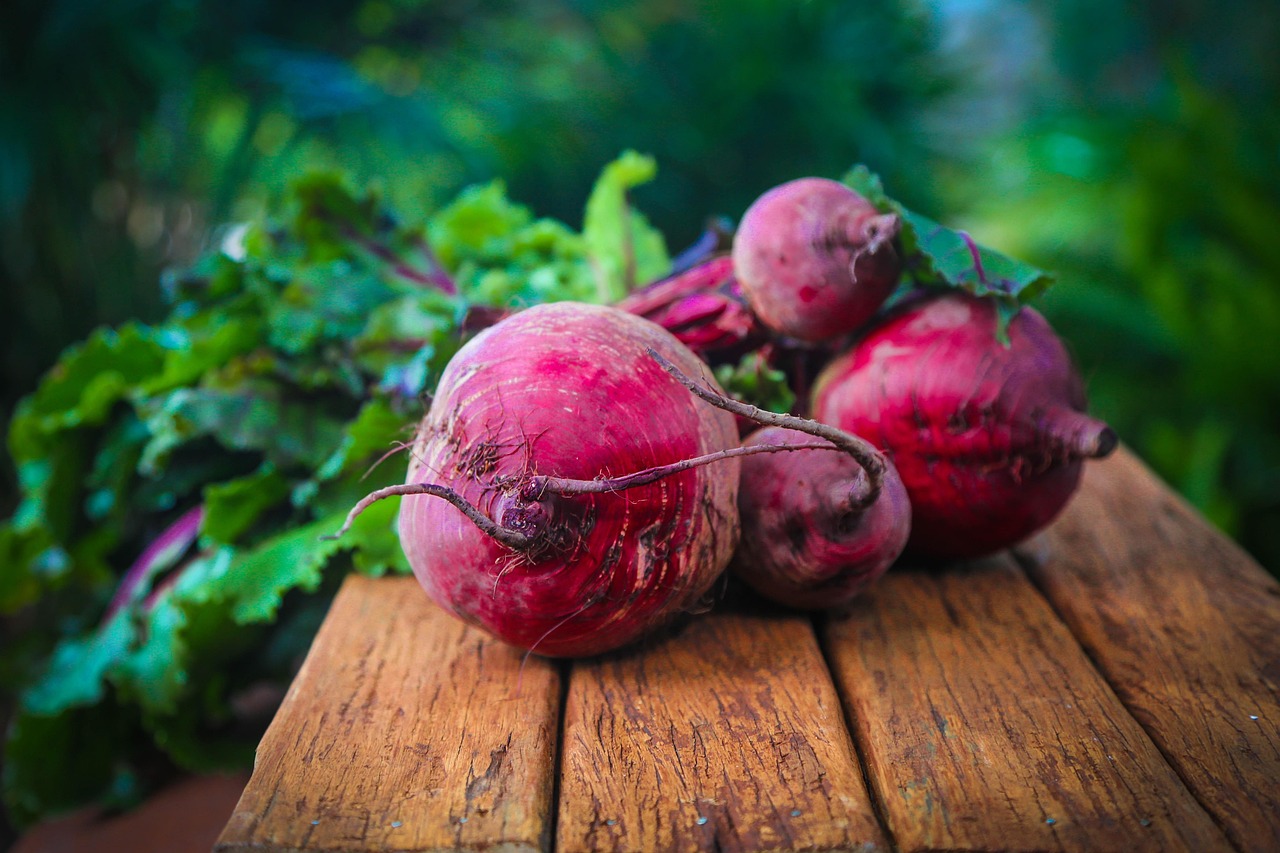
| Beet greens, cooked | 1 cup | about 1,300 mg | 28% |
| White beans, canned | 1 cup | about 1,190 mg | 25% |
| Swiss chard, cooked | 1 cup | about 960 mg | 20% |
| Potato, baked, flesh and skin | 1 medium | about 925 mg | 20% |
| Acorn squash, cooked | 1 cup cubes | about 900 mg | 19% |
| Spinach, cooked | 1 cup | about 840 mg | 18% |
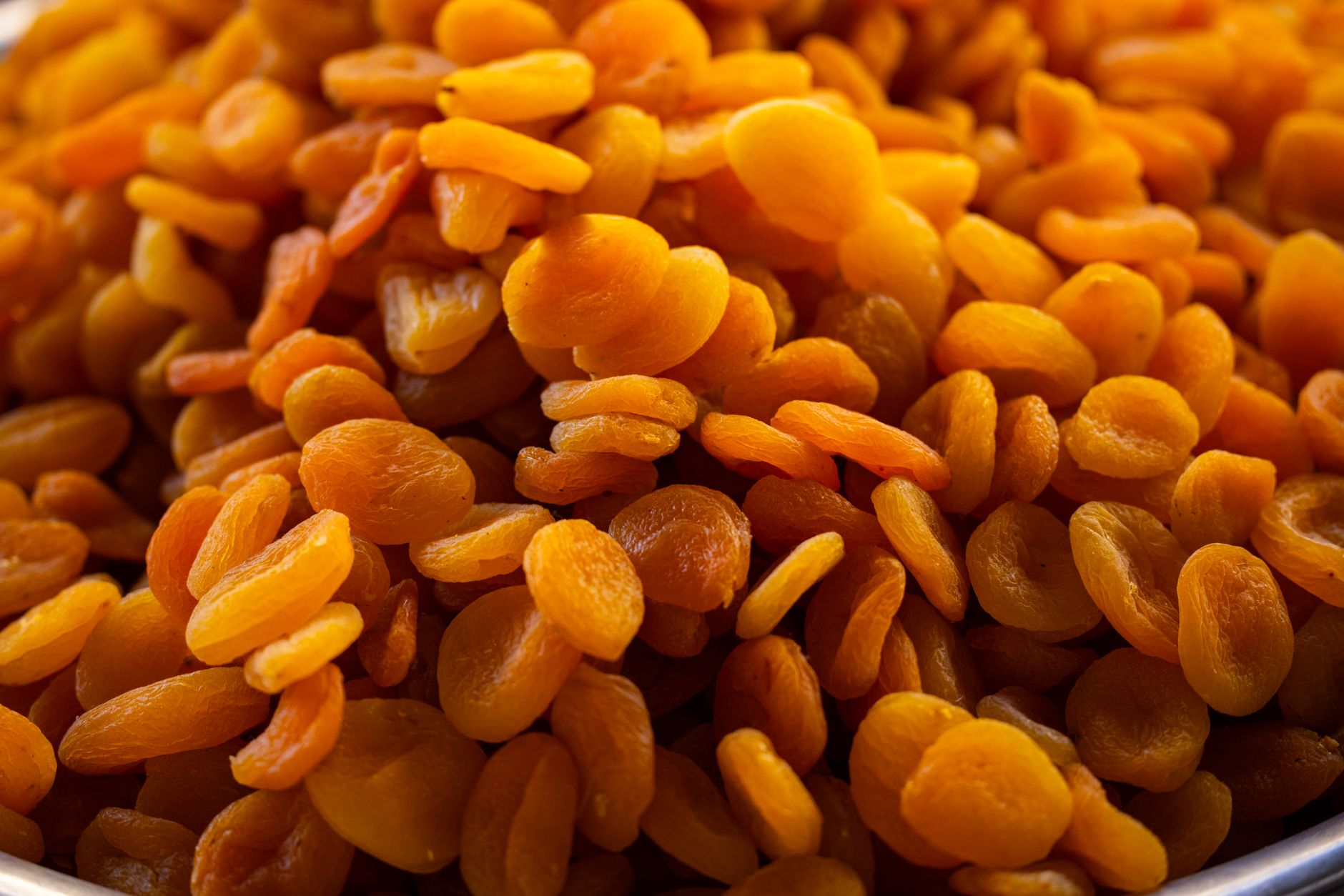
| Dried apricots | 1/2 cup | about 755 mg | 16% |
| Lentils, cooked | 1 cup | about 730 mg | 16% |
| Prunes | 1/2 cup | about 700 mg | 15% |
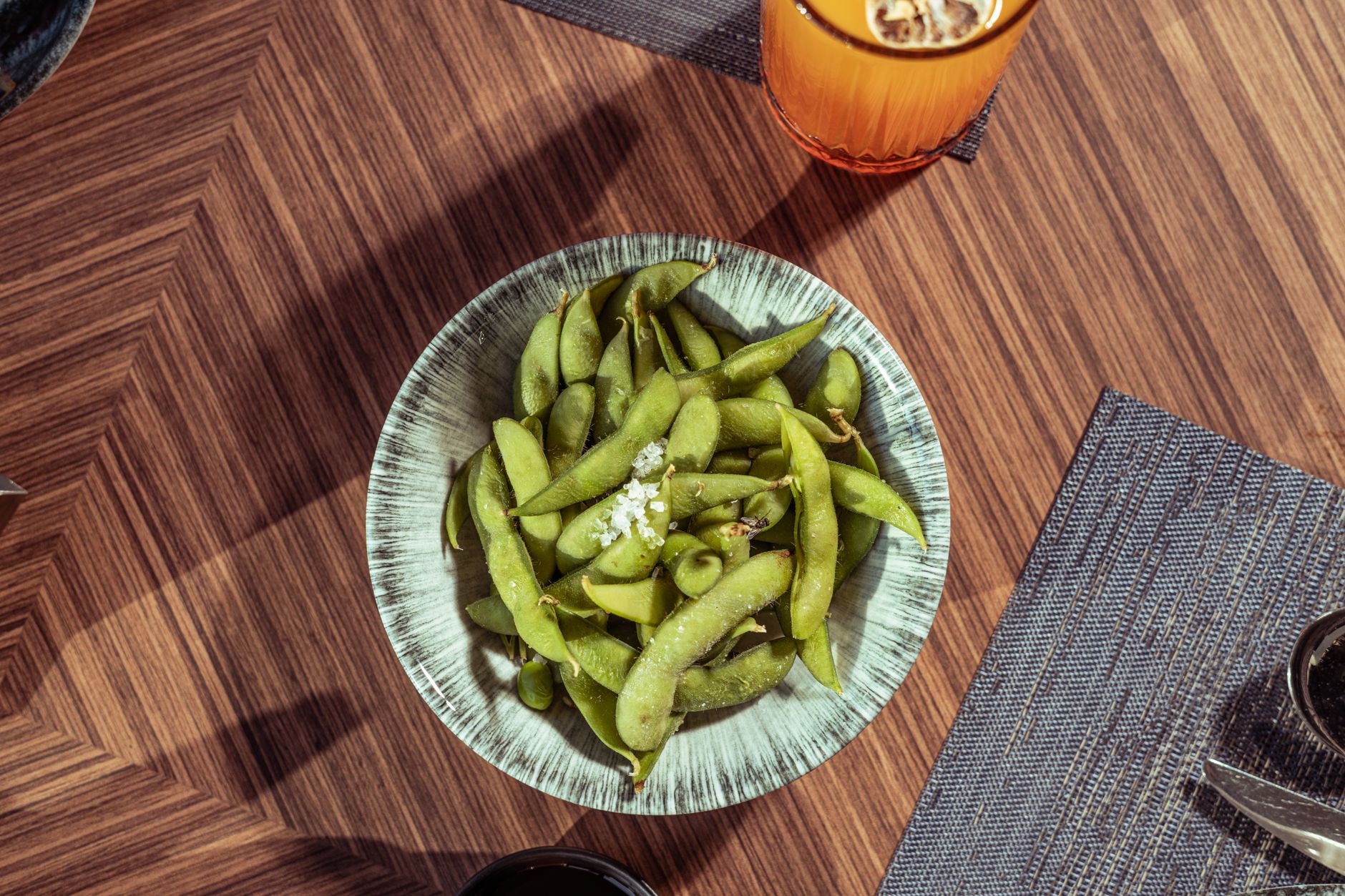
| Edamame, shelled | 1 cup | about 675 mg | 14% |
| Tomato paste | 1/4 cup | about 665 mg | 14% |
| Plain nonfat yogurt | 1 cup | about 625 mg | 13% |
| Kidney beans, canned | 1 cup | about 610 mg | 13% |
| Coconut water | 1 cup | about 600 mg | 13% |
| Butternut squash, baked | 1 cup cubes | about 580 mg | 12% |
| Sweet potato, baked in skin | 1 medium | about 540 mg | 12% |
| Orange juice | 1 cup | about 500 mg | 11% |
| Avocado | 1/2 fruit | about 490 mg | 10% |
| Banana | 1 medium | about 420 mg | 9% |
| Milk, 1% | 1 cup | about 365 mg | 8% |
| Chicken breast, cooked | 3 oz | about 330 mg | 7% |
| Salmon, cooked | 3 oz | about 325 mg | 7% |
A few things the table hides
- Cooked greens beat raw ones per cup because cooking collapses them. Two cups of raw spinach have about 335 mg; the same leaves cooked down fit in well under half a cup.
- Potatoes are one of the largest sources in the American diet, and the skin matters. A potato soup keeps the potassium that leaches into the cooking liquid, while potatoes boiled and drained lose a share of it.
- Greek yogurt has noticeably less than regular yogurt. Straining removes whey, and much of the potassium goes with it. The Greek yogurt page covers what else straining changes.
- Dried fruit concentrates it, along with the sugar. A small handful of dried apricots or prunes goes a long way.
- Bananas are convenient, not exceptional. The banana nutrition page has the numbers by size.
In practice the easiest high-potassium meals are built on beans, potatoes and squash: a baked sweet potato, a butternut squash soup, a bowl of lentils. Many of the same foods top the magnesium and fiber lists too.
Potassium, sodium and blood pressure
This is the main reason potassium gets attention. Potassium helps the kidneys excrete sodium and relaxes the walls of blood vessels, and higher potassium intake lowers blood pressure. In meta-analyses of controlled trials the effect is clearest in people who already have high blood pressure and in people eating a lot of salt, and small or absent in people with normal blood pressure and modest salt intake.
The two minerals work as a pair, which is why the ratio between them may matter more than either number alone. The DASH eating pattern, which lowered blood pressure in feeding trials within weeks, is high in potassium mainly because it is high in fruit, vegetables, beans and low-fat dairy, and low in sodium. Swapping salty processed food for the foods in the table does both jobs at once.
Salt substitutes that replace part of the sodium chloride with potassium chloride have good evidence too: in a large trial in China, people at high cardiovascular risk who used one had fewer strokes and deaths than those who used regular salt. That trial excluded people with serious kidney disease and those on potassium-sparing medicines, and the cautions below apply to salt substitutes just as much as to food.
Who needs to be careful with potassium
For some people, high potassium in the blood (hyperkalemia) is a real and potentially dangerous problem. It can cause heart rhythm disturbances, often with no warning symptoms. The people at risk are:
- Anyone with chronic kidney disease, because damaged kidneys cannot excrete potassium efficiently. Dietary potassium advice in kidney disease is individual and depends on blood levels, so it should come from the nephrologist or a renal dietitian.
- People taking ACE inhibitors (lisinopril, enalapril, ramipril and others) or ARBs (losartan, valsartan and others), which reduce potassium excretion.
- People on potassium-sparing diuretics such as spironolactone, eplerenone, amiloride or triamterene.
- People with poorly controlled diabetes or adrenal insufficiency, and anyone taking several of these drugs together, or combining them with regular NSAID use.
None of this means people on these medicines should avoid vegetables. It means they should not add potassium supplements or potassium-based salt substitutes on their own initiative, and that their blood potassium should be checked as their doctor advises.
Supplements are a separate issue for everyone. Over-the-counter potassium supplements in the US are limited to 99 mg per tablet, a tiny fraction of the Daily Value, because high-dose potassium tablets have caused injuries to the gut lining. Food is the right source; prescription potassium is for diagnosed low potassium, usually caused by medicines like loop or thiazide diuretics, or by vomiting and diarrhea.
Low-potassium foods
For people who have been told to limit potassium, the lower-potassium choices tend to be:
- Fruit: apples, berries, grapes, pineapple, watermelon, and canned fruit drained of its juice.
- Vegetables: cabbage, cauliflower, cucumbers, green beans, lettuce, onions, peppers and corn, in normal portions.
- Grains: white rice, pasta and white bread, which are lower than their whole-grain versions.
- Protein: eggs, and moderate portions of meat and fish.
Peeling, cutting small and boiling potatoes in plenty of water, then draining, removes a meaningful part of their potassium, a technique often called leaching. Portion size matters as much as the food. Anyone following a low-potassium diet for kidney disease should get a list tailored to their own lab results, because the right limit varies widely between people.
Signs of low potassium
Low blood potassium (hypokalemia) from diet alone is rare in healthy people. It usually comes from losing potassium: diuretics, prolonged vomiting or diarrhea, laxative overuse, or some kidney and adrenal conditions. Symptoms include weakness, fatigue, muscle cramps, constipation and, when severe, heart rhythm problems. It is diagnosed with a blood test and treated by a doctor, because both the cause and the dose matter. Eating more potatoes and beans is good advice for blood pressure; it is not a treatment for a low potassium result.