Diet myths: nine claims that will not go away, and what the evidence says
Every one of these diet myths has a grain of truth in it, which is precisely why they survive. Here is the grain, and here is where it stops.
August 17, 2026 · 5 min read
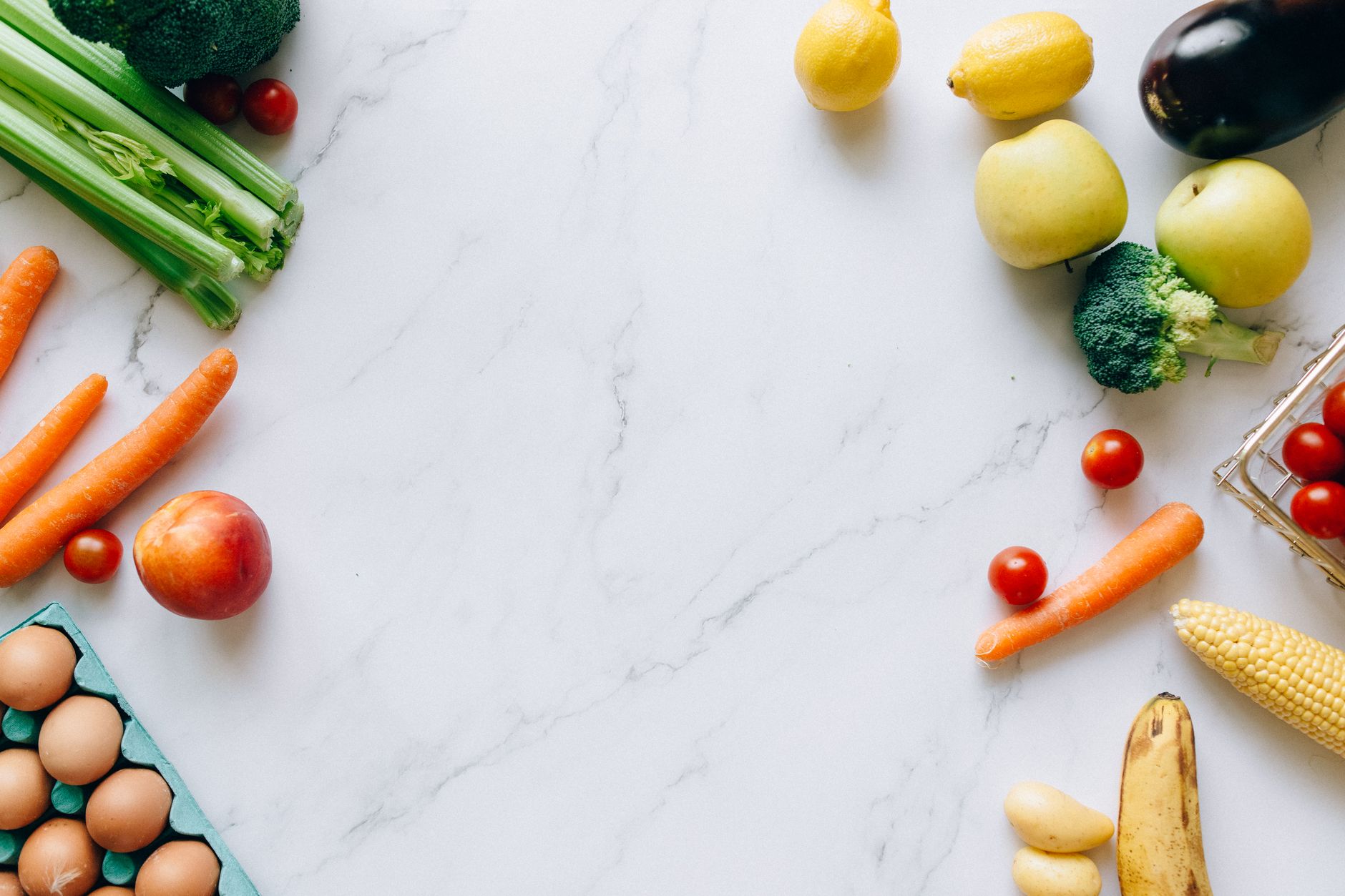
Photograph by Nataliya Vaitkevich on Pexels
Every claim below has a grain of truth in it. That is precisely why they survive: a myth with nothing behind it dies quickly, and a myth built on a real observation that has been over-extended can last decades.
Here is the grain in each, and here is where it stops.
1. Eating late at night makes you gain weight
The grain: late eating does correlate with weight gain in observational studies.
Where it stops: the clock does not add calories. Late eating correlates with weight gain largely because it tends to be unplanned eating on top of the day's meals rather than part of them — snacking in front of a screen, not a scheduled dinner. In trials where intake is matched and only timing varies, differences are small.
There is a genuine circadian component: insulin sensitivity is somewhat higher earlier in the day, and some time-restricted eating research suggests an early window may have small advantages. Small is the operative word. If total intake is the same, timing is a minor factor.
2. Breakfast is the most important meal of the day
The grain: breakfast eaters do have better health outcomes on average in cohort studies.
Where it stops: those studies were picking up everything else that differs between breakfast eaters and skippers — smoking, exercise, alcohol, socioeconomic status. Randomized trials that assign people to eat or skip breakfast find very little difference in weight either way.
Eat breakfast if you are hungry in the morning. Do not eat it because a slogan says you must, and see intermittent fasting for the version where skipping it is the entire method.
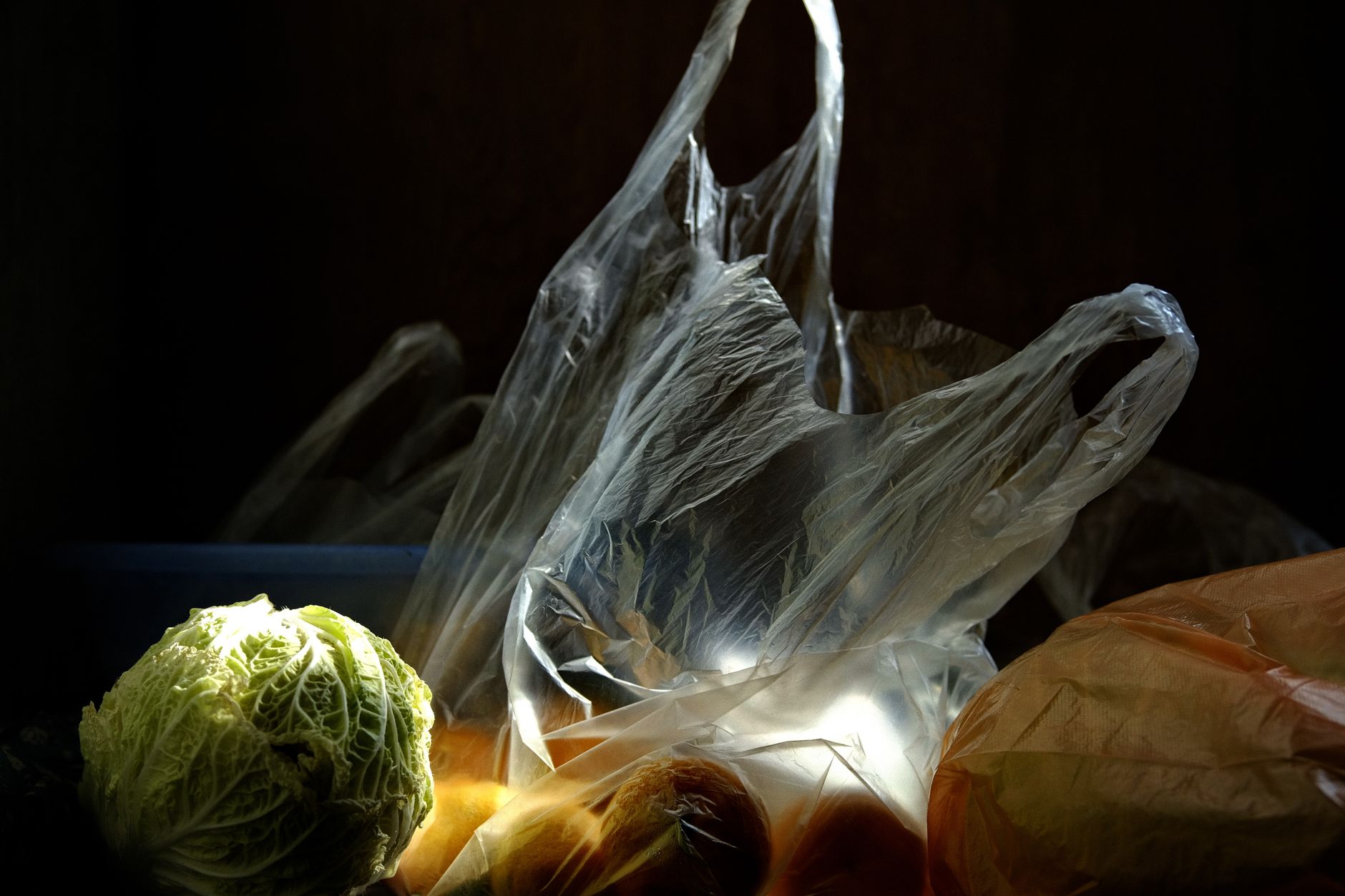
3. Fresh vegetables are more nutritious than frozen
The grain: freshly picked produce, eaten immediately, is the best case.
Where it stops: almost nobody eats freshly picked produce. Supermarket "fresh" vegetables are typically days old and have lost meaningful amounts of vitamin C and folate in transit and storage. Frozen vegetables are blanched and frozen within hours of harvest, which locks nutrients in at close to their peak.
Several comparisons find frozen equal or superior for vitamin C in particular. Frozen is also cheaper and does not spoil, which makes it the better choice on most axes rather than a compromise.
4. Sugar-free means better
The grain: reducing added sugar is genuinely worth doing.
Where it stops: sugar-free means no added sugar and nothing else. A sugar-free cookie is still a cookie — refined flour, fat, and a similar calorie count. Sugar alcohols in quantity are also a reliable way to spend an unpleasant afternoon, since they are poorly absorbed and osmotically active.
5. Detoxes clear out toxins
The grain: people genuinely feel better on a cleanse, usually because they stopped drinking alcohol and eating takeout for a week.
Where it stops: the liver and kidneys perform detoxification continuously and are not improved by juice. Detox products that name the specific toxin they remove are vanishingly rare, and that absence is not an accident — naming a compound invites the question of whether it was measured before and after.
6. Fat makes you fat
The grain: fat is the most energy-dense macronutrient at nine calories per gram, which makes it easy to overeat.
Where it stops: that is an argument for attention, not avoidance. The low-fat era replaced fat with refined carbohydrate and did not deliver the promised improvements. What matters is which fat replaces which — see healthy fats and whether all calories are equal.
7. You can target where you lose fat
The grain: exercising a body part does increase blood flow and lipolysis in the fat immediately over it, which is where the idea comes from.
Where it stops: the effect is far too small to change body composition regionally. Spot reduction has been tested directly — including a study using tennis players' dominant versus non-dominant arms — and it does not work. Where you lose from first is largely genetic and not negotiable.
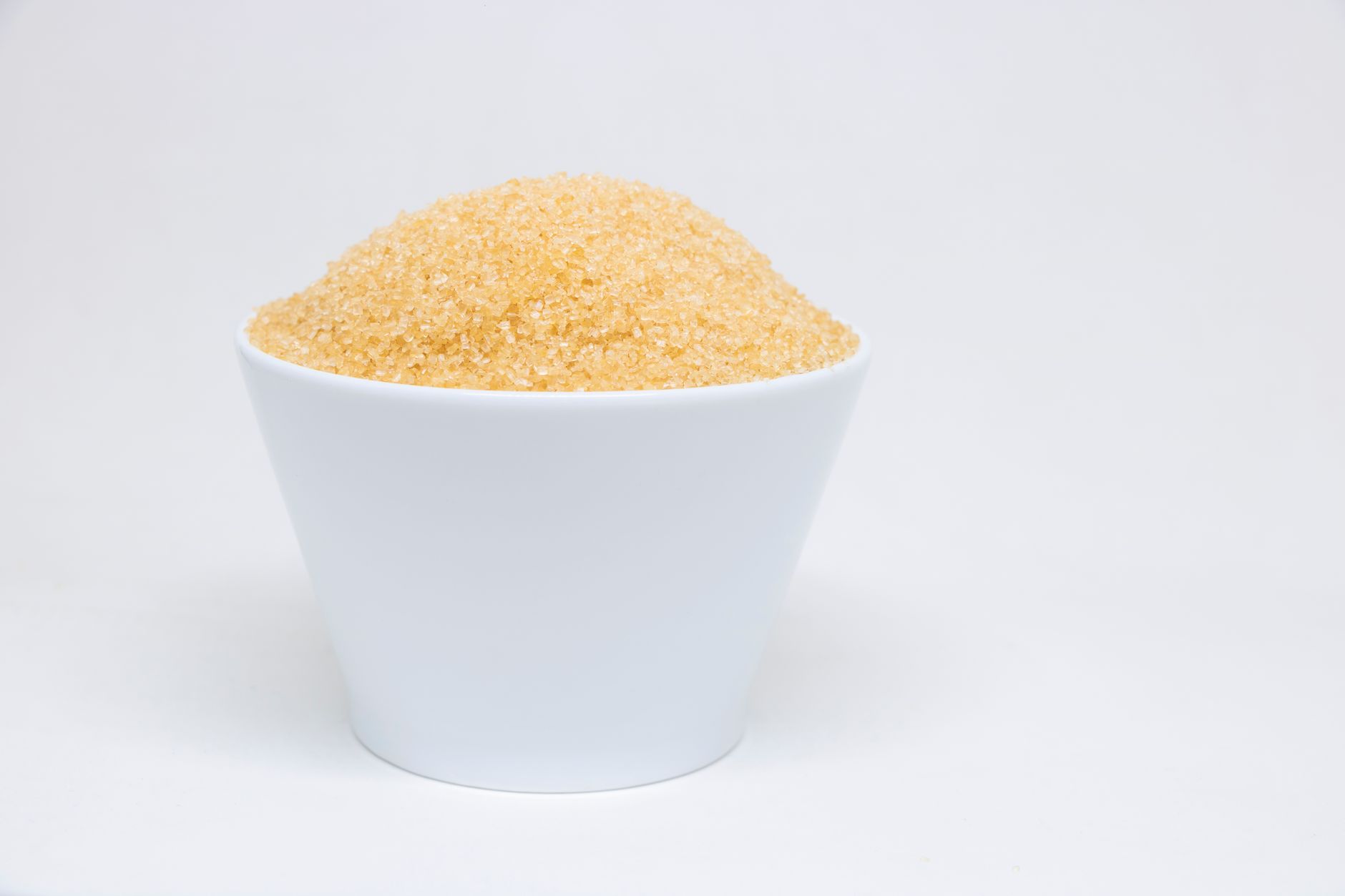
8. Brown sugar is healthier than white
The grain: brown sugar does contain trace minerals from the molasses.
Where it stops: brown sugar is white sugar with molasses added back. The mineral content is real and so small that you would need an absurd quantity for it to register nutritionally — at which point the sugar is the problem. The same applies to honey, coconut sugar and maple syrup: they are sugar with a better story.
9. Gluten-free is healthier for everyone
The grain: for celiac disease it is medically necessary, and non-celiac gluten sensitivity appears to be a real if poorly defined condition.
Where it stops: for everyone else, gluten-free processed food is typically higher in sugar and fat and lower in fiber than the version it replaces, because gluten is doing structural work that has to be replaced with something.
There is also a confounder worth knowing: wheat is a major source of fructans, so some people who feel better without bread are reacting to FODMAPs rather than to gluten. See the low FODMAP diet. And if celiac disease is a possibility, get tested before removing gluten — the test requires you to be eating it.

The pattern behind all nine diet myths
Each of these started as a real observation and was flattened into a rule. That is how most diet myths are made: a correlation becomes a mechanism, a mechanism becomes a prohibition, and the original caveat drops off somewhere along the way.
The practical defense is to ask two questions of any dietary claim. Compared with what? And measured how? Most of what is on this list does not survive either one.