Keto almond flour muffins
Keto almond flour muffins with lemon and no sugar, at 6 g of carbohydrate each. Tender, and they keep for three days without turning dry.
- 220
- kcal
- 7g
- protein
- 20g
- fat
- 6g
- carbs
- Prep
- 15 min
- Cook
- 22 min
- Serves
- 12
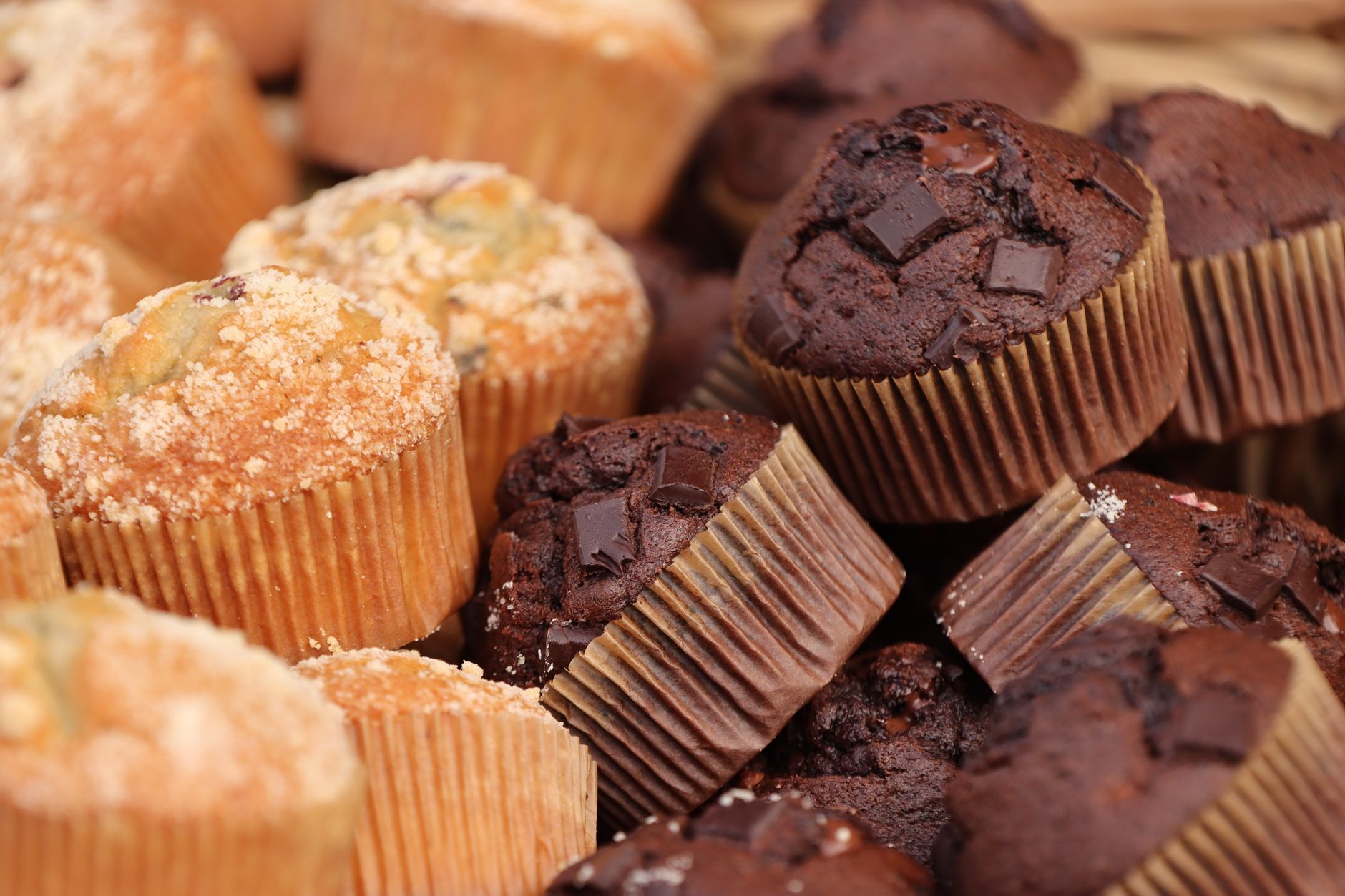
Photograph by Efrem Efre on Pexels
Ingredients
- 2 1/2 cups almond flour
- 1/3 cup erythritol
- 2 tsp baking powder
- 4 eggs
- 1/2 cup sour cream
- 1/3 cup melted butter
- Zest of 1 lemon
Method
-
1
Heat the oven
Heat the oven to 350°F and line a 12-cup muffin pan.
-
2
Mix the dry ingredients
Whisk the dry ingredients together, breaking up any lumps in the almond flour.
-
3
Combine the batter
Beat the eggs, sour cream, butter and zest, then fold into the dry mix. Do not overwork it.
-
4
Bake
Divide and bake 22 minutes, until a toothpick comes out clean.
-
5
Cool in the pan
Cool in the pan for 10 minutes — almond flour cakes are fragile while hot.
Almond flour does not behave like wheat flour
There is no gluten here, so there is no structure to develop and nothing to overwork. What holds these together is egg protein and the fat in the almonds, which means two things follow.
First, do not overmix — not because you will toughen them, but because you will knock the air out of the eggs, and the eggs are the only leavening structure you have besides the baking powder. Fold until just combined and stop.
Second, they are extremely fragile while hot, because the fat is liquid and the protein has not set fully. Ten minutes in the pan before you move them is the difference between muffins and rubble.
The sweetener question
Erythritol is used here because it bakes closest to sugar and has no aftertaste for most people — though a minority taste it as strongly cooling, which is a real perceptual difference rather than a preference. Allulose browns better and stays softer but is harder to find. Pure stevia and monk fruit are far sweeter by weight and give no bulk at all, which changes the texture noticeably.
Whatever you use, the sweetener is not doing sugar's structural jobs — it does not tenderize or hold moisture the way sugar does, which is why these keep less well than a conventional muffin.
Getting a domed top
If you want a higher dome, start at 400°F for the first five minutes, then drop to 350°F for the remaining 15 to 17. The initial burst of heat sets the outside while the inside is still expanding, which forces the rise upward. It is the same trick that works for wheat muffins and it matters more here, where there is less structure to hold a dome.
Keeping them
Three days in an airtight container at room temperature, or a week refrigerated — though cold makes almond flour bakes dense, so let them come back to room temperature. They freeze well and thaw in about an hour.
What they are worth nutritionally
6 g of carbohydrate, not counting the erythritol, which the body does not absorb as sugar, against 40 to 60 g for a conventional muffin, and 7 g of protein, which is unusual for something in this category. Almond flour brings vitamin E and magnesium along with the fat. They are not low-calorie — 220 kcal each — they are low-carbohydrate, and those are different claims.