Black bean brownies
Fudgy black bean brownies made in a food processor, with no flour and nothing beany about the taste. 110 kcal a square, gluten-free, and a higher-protein version.
- 110
- kcal
- 3g
- protein
- 5g
- fat
- 14g
- carbs
- Prep
- 10 min
- Cook
- 28 min
- Serves
- 16
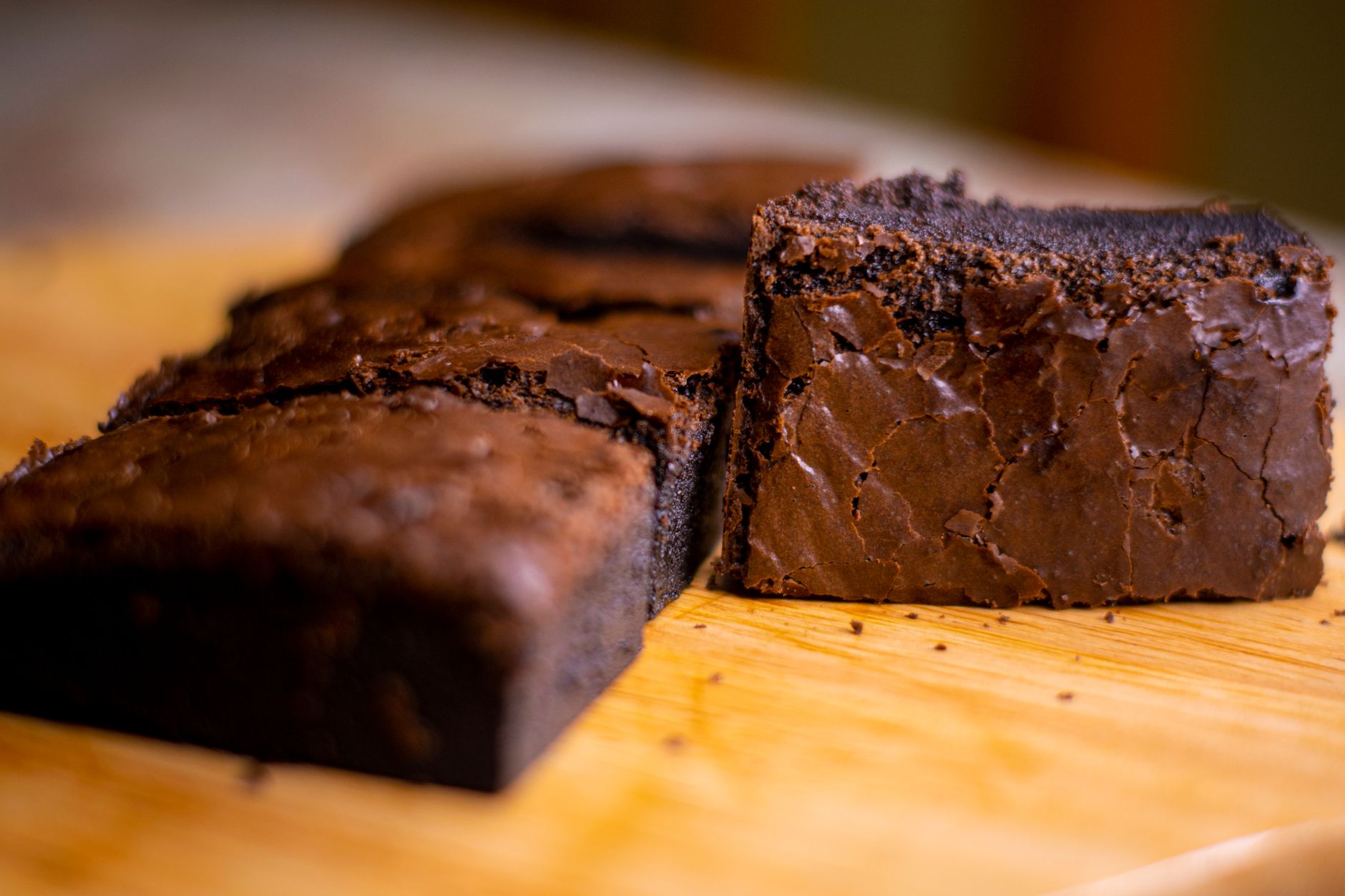
Photograph by Mohammad Fahim on Pexels
Ingredients
- 1 can (15 oz) black beans, drained and rinsed very well
- 3 large eggs
- 3 tbsp coconut oil or butter, melted
- 1/2 cup (40 g) unsweetened cocoa powder
- 1/2 cup (100 g) coconut sugar or packed brown sugar
- 1 tsp vanilla extract
- 1 tsp instant espresso powder (optional)
- 1/2 tsp baking powder
- 1/4 tsp kosher salt
- 1/2 cup (85 g) semisweet or dark chocolate chips
Method
-
1
Heat the oven
Heat the oven to 350°F and line an 8 x 8-inch pan with parchment, leaving some hanging over two sides to lift the brownies out.
-
2
Blend until smooth
Put everything except the chocolate chips in a food processor and process for 2 full minutes, scraping down once, until there is not a fleck of bean skin left. This is what decides whether they taste like beans.
-
3
Add the chocolate
Stir in most of the chocolate chips, spread the batter in the pan and scatter the rest on top.
-
4
Bake
Bake 25 to 30 minutes, until the edges look set and slightly puffed and a toothpick from the center comes out with moist crumbs, not wet batter.
-
5
Cool completely
Cool in the pan for at least an hour before cutting into 16 squares. Warm, they are too soft to slice; they set as they cool, and are fudgier still from the fridge.
Will they taste like beans?
Not if the batter is blended properly. Black beans have a mild flavor, and the cocoa, chocolate and vanilla cover it. What gives them away is texture: specks of bean skin, or a grainy batter. Process the batter for a full 2 minutes, longer than seems necessary, and rinse the beans until no foam comes off them. The canning liquid is what tastes "beany".
The result is a dense, fudgy brownie, closer to a flourless chocolate cake than a cakey brownie. They are best the day after baking, chilled.
A food processor works better than a blender
A blender needs more liquid to move, and this batter is thick. If you only have a blender, put the eggs and melted oil in first, then the beans, and blend in short bursts, scraping down often. A high-powered blender handles it well.
Swaps
- Sugar: maple syrup or honey can replace the sugar one for one, but the brownies will be softer and a little wetter. Bake 3 to 5 minutes longer.
- Fat: coconut oil, butter or a neutral oil all work. Coconut oil makes them slightly firmer once chilled.
- Eggs: for an egg-free version, use 3 flax eggs (3 tablespoons of ground flaxseed mixed with 7 tablespoons of water, left for 10 minutes). They will be softer and more fragile.
- Other beans: chickpeas or white beans work too, and taste even more neutral. The brownies are slightly paler.
Protein brownies
Black bean brownies are not high in protein: about 3 g a square. To make protein brownies, add 2 scoops (60 g) of chocolate whey protein powder and 1/4 cup of plain Greek yogurt to the food processor, and bake about 2 minutes less, since whey dries out quickly. Each square then has about 125 kcal and 6 g of protein.
Gluten-free
There is no flour, so the brownies are naturally gluten-free. Check that your baking powder and chocolate chips are labeled gluten-free if that matters for you.
Keeping them
Keep them covered in the fridge for up to 5 days. Because they contain beans and eggs and are quite moist, they spoil faster at room temperature than ordinary brownies. They freeze well for 3 months, individually wrapped.
What they are worth nutritionally
One square has about 110 kcal, with 3 g of protein, 5 g of fat and 14 g of carbohydrate, including about 2 g of fiber and 9 g of sugar. A classic brownie of the same size has around 130 to 180 kcal, more sugar and little fiber. Black bean brownies are a better dessert, not a health food. They still contain sugar and chocolate, but much of their bulk is beans rather than white flour and butter.